
‘Why not finish and graduate?’: Why these students hit pause on university

Straight to your inbox. Money, career and life hacks to help young adults stay ahead.
[SINGAPORE] In her fourth year at the National University of Singapore (NUS), J Tan did what most final-year students were doing: scrolled through the student job portal.
Fresh from a semester-long exchange, she was confronting life after graduation.
“I was thinking, okay, this is real now,” says Tan, who declined to give her full name to avoid being identified by employers. “Everyone was planning their next step… but I didn’t know what I wanted to do or what I could do.”
Having only completed one summer internship, she applied for a semester-long leave of absence (LOA) to collect more work experience after her first semester as a final-year undergraduate student.
LOA trends vary
Tan soon discovered that her decision wasn’t as uncommon as she first thought after discussing it with her friends.
At Singapore’s autonomous universities, students can apply for an LOA for medical, personal or family reasons, as well as to undertake internships.
At the Singapore Management University (SMU), just under one in 10 undergraduates have taken an LOA each year on average. However, that proportion has remained broadly stable.
Of the five other autonomous universities Thrive contacted, three reported stable or declining rates of students being granted LOAs.
The exception was Nanyang Technological University (NTU), which reported an upward trend in the number of students granted LOAs in the past three years.



Besides SMU, the universities mostly stressed that only a small proportion of students take LOAs – about 2 per cent a year at the Singapore University of Technology and Design and 0.7 per cent at the Singapore Institute of Technology.
NUS said that only a small percentage of students take LOAs, without indicating a trend.
Making room for passions
Among those who took time off was SMU graduate Kane Neo.
Neo’s dream was to become an economics research professor, a path he expected would take 13 years.
But a diagnosis of Brugada syndrome, a genetic heart rhythm disorder, made him reconsider. People with the condition typically have a life expectancy of about 40 years.
He wanted to make an impact on others’ lives sooner, and saw economics tutoring as a way to do that.
“If I go tomorrow, I don’t want to regret my life. I wanted to make an impact as fast as possible. Education stood out to me since you see the impact firsthand,” he says.
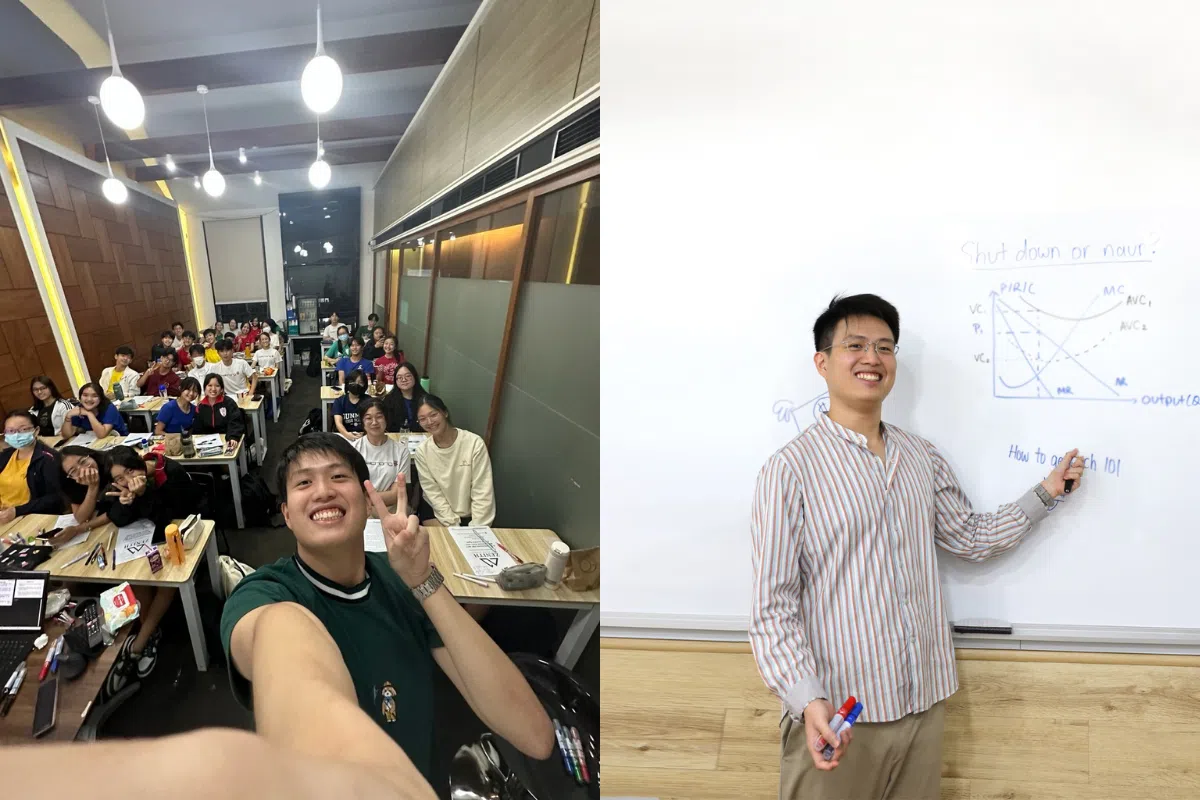
The 27-year-old teaches about 250 students a year. Starting in his second year at SMU, he took three first-semester LOAs to focus on them during the A-level season, when he would work 100-hour weeks teaching.
Once, on his way home, he realised he hadn’t properly answered a student’s question. He ended up calling his student that same night to redo the lesson.
“I realised that was the freedom I needed, to work through the night if I have to without worrying about going for a lecture at 8.15 am (the next day),” he says.
Protecting mental health
For ZQ Leong, an LOA offered a break while she struggled with her mental health.
The 25-year-old sociology graduate took a semester off in her second year at NTU.
After the transition from polytechnic to university, she struggled to keep up with the heavier workload and often felt lost during class discussions. Over time, she began sleeping for longer hours and skipping classes.
Diagnosed with depression in her first semester, she struggled to complete her modules. Leong asked not to be identified by her full name while discussing her diagnosis.
Despite pushback from her father, the break was what she needed at the time. She returned to her old hobbies such as taekwondo and picked up freelance marketing work.
She still struggled after returning to school, taking a semester or two to find her rhythm. But she says she has no regrets about taking an LOA.
Facing pushback
Like Leong, Tan faced scepticism when she first sought advice about taking an LOA.
“I was so close to graduation, but I was just stopping the clock for myself,” says Tan. “A lot of adults were asking, ‘Why not just finish and graduate?’”
Her career supervisor worried about how employers would view the break. Another concern was graduating outside regular hiring cycles and missing application windows for management associate programmes.
There’s also the obvious downside of delaying graduation and starting a career later than peers.
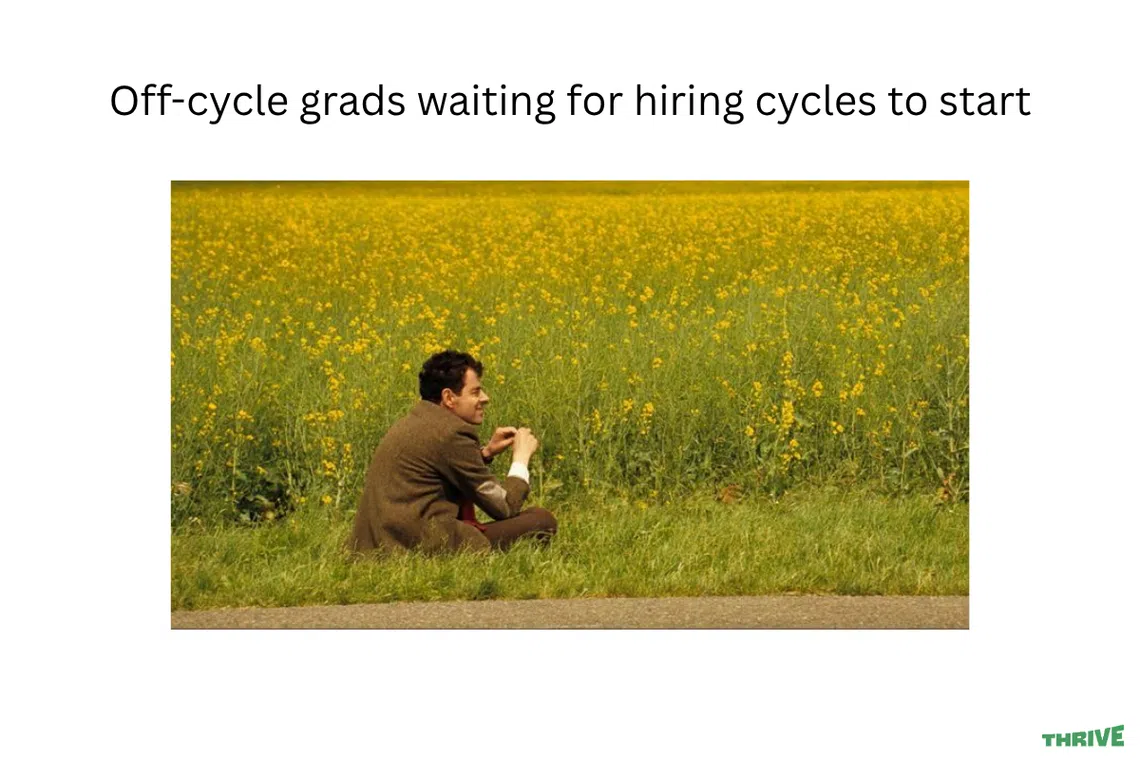
Still, having only done an internship in the public sector, Tan decided she wanted to gain experience in the private sector and found an internship at a well-known company.
What she hadn’t anticipated was that compulsory modules she needed weren’t being offered in the semester after her internship ended.
Her scholarship covered eight semesters of study, excluding time spent on LOA. Rather than take an extra semester without being able to complete those modules, she took a second LOA and took on an internship as an outreach programme coordinator.
Before stopping the clock
For Tan, deciding to step away was harder than it now seems.
“In the moment, when you’re trying to go off the path of everyone else, it was really intimidating.”
Taking time outside of school, she adds, allowed her to explore roles she wouldn’t have been aware of.
Likewise, Neo doesn’t regret his decision, even though it meant graduating two years after his peers.
When taking an LOA, do so with a plan in mind, says Tan.
“It doesn’t have to be an ambitious goal,” says Tan. “It’s easy to just drift and let time fly by. But you should know what you’re there for and be open and flexible to whatever comes by.
“It’s a question of: Are you okay with the risk and stepping out of the life rhythm that everyone is following?”
Decoding Asia newsletter: your guide to navigating Asia in a new global order. Sign up here to get Decoding Asia newsletter. Delivered to your inbox. Free.
Copyright SPH Media. All rights reserved.