

Container ships flood Singapore as global scheduling left in tatters
Singapore turnaround estimated to have shot up to 5-7 days but it appears to be coping better than other ports

Singapore
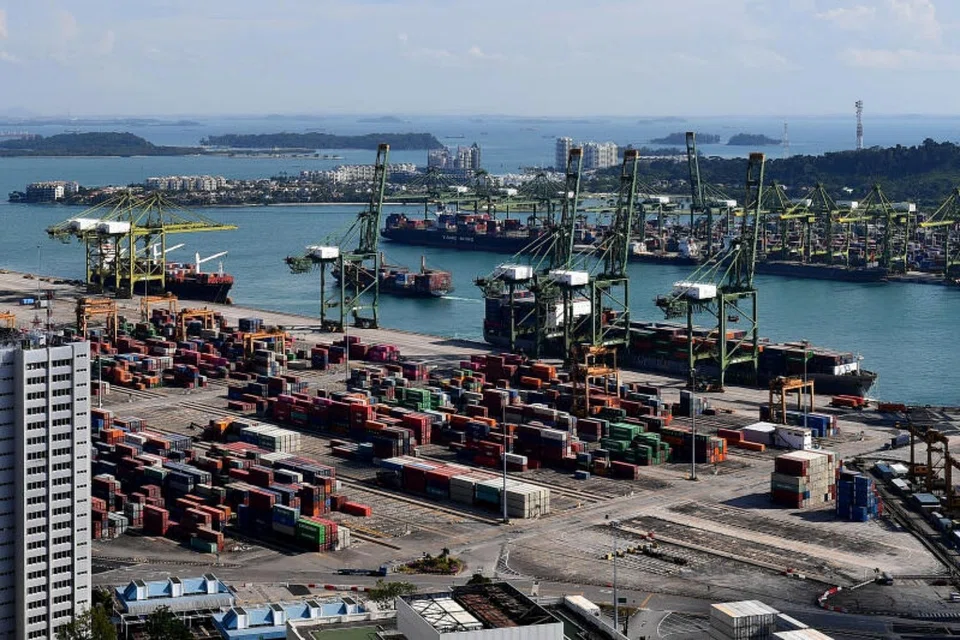
SINGAPORE has joined ports around the world choking on a recent surge in vessel calls and container volumes - never mind the city-state's reputation for efficiency.
Consequently, container vessels planning to berth at Singapore port are now facing longer wait times.
Ng Baoying, global managing editor for container shipping at S&P Global Platts, said the daily average number of vessels staying at Singapore port for more than two days in January and February both jumped over 60 per cent year on year to 47 per day and 52 per day.
And she noted container vessels are estimated to be waiting five to seven days for turnaround, from a maximum of two days earlier.
At 52 per day on average, the February figure was a record high in at least the past four years.
The numbers furnished by the information provider showed that Singapore port last year experienced an upward trend in the daily average number of vessels staying for more than two days, with a spike in November.
A PSA corporate spokesperson said: "This exceptional situation is due to a confluence of factors, including an unprecedented and volatile surge in cargo demand, congestion across all nodes in the global supply chain (including depots, warehouses and seaports) due to renewed lockdowns, a lack of usable empty containers while laden ones are held up longer at these nodes, and shipping lines' vessel sailing schedule reliability dropping to 10-year historical lows, causing further delays at almost every seaport worldwide."
The port operator stated that it has deployed additional resources and ramped up capabilities to support the increased activity at the Singapore port, and is also working with shipping line customers and cargo owners.
Total container throughput changes for the months between last November and January coincidentally corresponded to the situation. For instance, when the daily average number of vessels staying for more than two days rose month-on-month in November, throughput dropped.
The congestion problem was not unique to Singapore, as Ms Ng noted the port at Los Angeles/Long Beach had at one point more than 34 containerships queueing at anchor.
While cargoes from Colombo and other ports reportedly diverted to Singapore have partially contributed to the congestion, Ms Ng said Singapore as a key transshipment hub and where crew changes are taking place are other factors resulting in the situation.
CTI Consultancy director Andy Lane told The Business Times that the congestion in Singapore port is "far from being a critical situation".
He noted ships arriving in Singapore are basically all off schedule, having had their schedules disrupted in east China, the United States, Europe or Africa. Consequently, it makes berth and connection planning that much more difficult, and potentially increasing idle times for connecting feeders.
The consultant thinks that Singapore appears to be coping better than other ports, and has a greater ability to flex capacity to meet peak demands as needed.
Shipping containerised cargo to Singapore now not only takes longer but outgoing shipments also cost more.
The congestion has had a knock-on impact on spot container freight prices, where exports from Singapore to North America have attracted higher pricing relative to other ports in South-east Asia, said Ms Ng.
The freight plus priority-loading premium - spot rate and surcharges to prioritise bookings - from Singapore to the east coast of North America was around US$10,000-US$15,000 per Forty-foot Equivalent Unit (FEU) recently.
In comparison, the corresponding figures in both Hong Kong and Vietnam to the east coast of North America were in the range of US$6,000-US$8,000 per FEU.
From a global container shipping perspective, given the backlog of demand and the current imbalanced state of the container market, there are expectations that firm freight rates could last through the first half of this year, said Ms Ng.
PSA did not say when it expects the congestion here will be resolved, when queried. But its unit is offering a host of value-added services including priority discharge, top stowage, express delivery and timely updates, in response to the situation.
READ MORE:
Idle containers leave global supply chains fractured
Ocean freight to enjoy better decade than previous one: HSBC
Ocean freight's rising tide yet to ebb as operators steer capacity
TRENDING NOW

Once staunchly pro-China, Malaysian Chinese businesses are now distancing themselves from Beijing

Grab CEO’s wife Chloe Tong on life with Anthony Tan and finding her purpose

Could stablecoins be the future of money?
ST Engineering opens tech-focused aircraft maintenance facility in Changi; to create over 500 jobs

