‘Not a typical foundation’: No 17 Foundation aims to drive philanthropy by forging partnerships
One of its pillars is focused on combining the strengths of Eastern and Western systems to drive impact
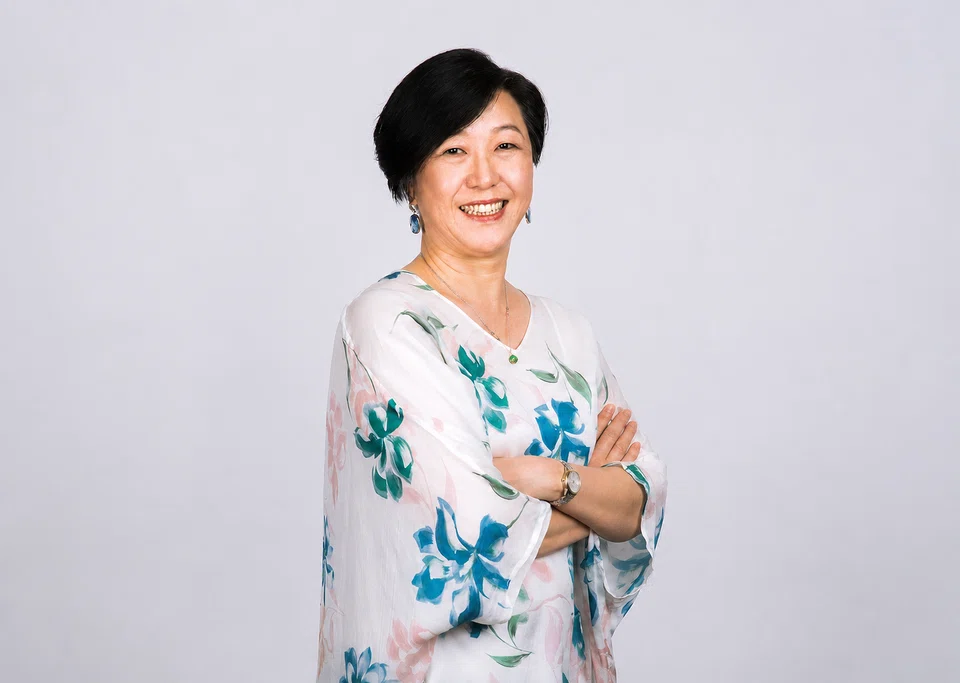
[SINGAPORE] Partnerships are at the core of No 17 Foundation’s philanthropic mission, said Tai Sook Yee, its chairperson.
The foundation, which is less than two years old, is the corporate philanthropic arm of Tsao Pao Chee (TPC). The more than 120-year-old family business has its roots in shipping and logistics, and also operates businesses in the well-being space.
No 17 Foundation is a separate entity from Tsao Foundation, which was established in 1993 and focuses on ageing and longevity.
Tai said No 17 is “not a typical foundation” – it wants to change the way philanthropy is being practised. It derives its name from the 17th United Nations Sustainable Development Goal (SDG), which focuses on global partnerships to achieve the international organisation’s targets.
No 17 Foundation sees a gap in the market. And so, instead of writing cheques, it helps to facilitate partnerships to drive philanthropy and invests in systems building.
“The world today has got sufficient resources, competencies and capacities to solve all our problems. But we cannot solve it because we are not actually meeting SDG number 17,” Tai noted.
After reviewing the landscape of foundations, she observed that there was already money going towards different causes.
“We could just be another one, but we felt that we wanted to be part of a transformation – we wanted to represent the heart of business. If we are going to represent the heart of business, we also want to… provide a platform for partnerships.
“We decided to invest our philanthropic money into building convenings and systems for businesses, allowing innovative foundations to come together, so that we can organise partnerships and collaborations.”
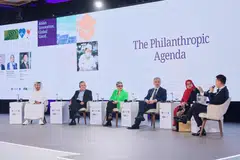

No 17’s mission is also based on the concept of love, she added. “The role of business is to serve society, and if you have to serve society, then you need to have the heart to care.”
East-West integration
Tai noted that one of No 17’s “critical pillars” is East-West integration – combining the strengths of Eastern and Western systems to drive impact.
Founder Chavalit Frederick Tsao is Chinese, but was Western-educated. He acknowledged that the Eastern model can fill gaps in the Western one.
Tai said: “If you look at the Western education model and approach, it’s always been systemic and process-driven.”
And, although that model was effective, especially during the Industrial Revolution which enabled technological progress, businesses became more profit-driven and prioritised growth over societal needs, she added. The West talks about teamwork, but functions from the self.
On the other hand, the Eastern model emphasises relationships, community and societal well-being over individual development and self-interest. Ensuring that the environment and society are well taken care of also improves one’s well-being, she noted. The East acknowledges self-development, but “operates communally”.
“The Eastern concept is about serving society, while the Western approach is about scaling and making it efficient. Both are needed.”
Key initiatives
Just like TPC and Tsao Foundation, No 17 is headquartered in Singapore, which Tai said is a “big integration centre for Asia”.
It held its inaugural Impact Week in Singapore last year to bring together philanthropic players, with its next edition slated for September.
No 17 also launched TPC House in Davos in January, which served as a venue alongside the World Economic Forum Annual Meeting for dialogues and networking sessions.
Another key initiative is the Restore Nature Declaration, which aims to fill the US$300 million to US$500 million financing gap in the green economy. The project focuses on engaging three sites in Indonesia – Simeulue, Sulawesi and East Kalimantan – for ecological restoration.
No 17 partnered communities in these areas to enact food systems and bring “accessible and affordable” food to the market, thereby creating “sustainable economic activity”, said Tai.
“How do we use a natural system to produce a food system and medicine, so that the community can work the lands, which is what they are good at, and we can make it into a sustainable model to bring into the market?
“We engage the social system on the ground, engaging the needs of the land and nature for rejuvenation, so that we can actually come up with a product to bring to market.”
In collaboration with innovation firm SecondMuse, Economics of Mutuality Alliance and other family businesses, No 17 invested in a “30-month-phase discovery fund” to restore the three Indonesian sites. Once this phase is over, it will hand over the business to another party.
“Philanthropic money doesn’t stop here. It basically creates a system and a social and economic business model that will be value-adding, and therefore profitable,” she added.
The foundation also established the Blue Action Collaboration Declaration with partners to advance community-based models to restore marine biodiversity; worked with the UN Sustainable Development Solutions Network to align economic development with well-being; partnered Climate KIC to boost climate efforts and diplomacy; and tied up with OceanX to develop ocean research and conservation.
No 17 is currently undertaking a research exercise with the National University of Singapore and other organisations to prototype an impact measurement indicator.
“We incubate and bring together different capital, (as well as) bring together different talents and business expertise that are needed, and then we integrate that into an ecosystem,” said Tai.
Decoding Asia newsletter: your guide to navigating Asia in a new global order. Sign up here to get Decoding Asia newsletter. Delivered to your inbox. Free.
Copyright SPH Media. All rights reserved.