

Take a long-term view and position portfolios for opportunities
While market volatility is likely in the short term, investors should embrace a longer outlook
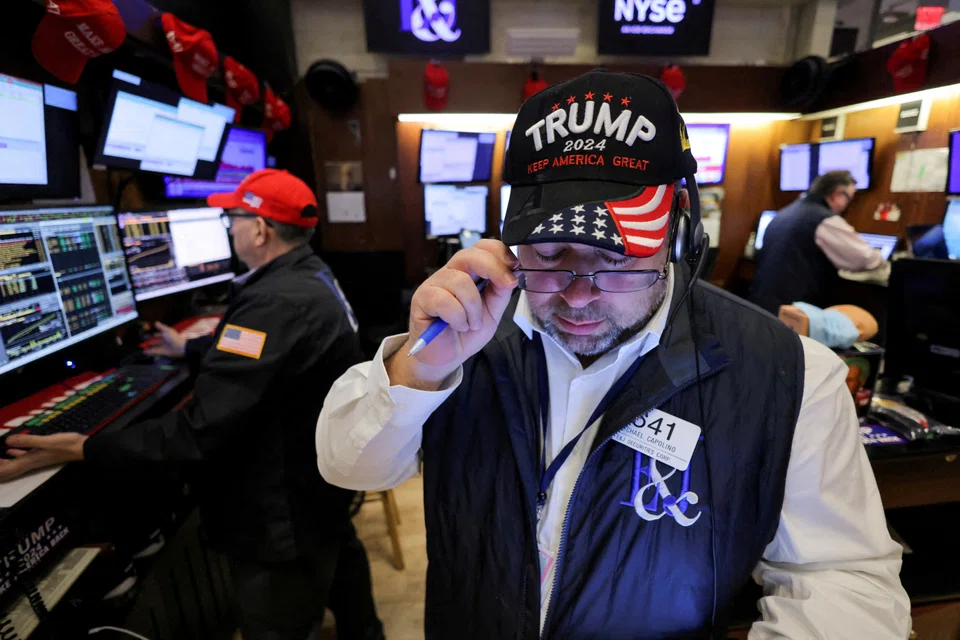
FORMER US president Donald Trump has emerged as president-elect, overwhelmingly defeating incumbent Vice-President Kamala Harris in the just-concluded US presidential election. Moreover, the Republican Party has also secured a majority in both the Senate and the House of Representatives, resulting in a “clean sweep” victory for Trump and his party.
With this outcome, some of Trump’s policy proposals previously considered too radical now appear to have a significantly higher likelihood of being implemented.
Domestic and foreign policies taking shape
In terms of domestic policy, Trump is expected to implement several tax cuts, not only proposing a reduction in corporate income tax but also tax exemptions for various personal incomes. He also plans to reduce industry regulations and impose stricter controls on illegal immigration into the US.
In terms of foreign policy, he proposes the imposition of high tariffs on foreign goods, particularly an additional 60 per cent tariff on goods from China.
At the same time, he may also demand North Atlantic Treaty Organization member countries to bear a larger share of defence spending while reducing military aid to Ukraine.
These policy proposals may have significant implications for both the US and global economies. On the one hand, domestic tax cuts will provide a short-term boost to the US economy, while high tariffs on imports may economically impact countries exporting to the US.
On the other hand, higher tariffs and restrictive immigration policies may raise inflation in the US, thereby constraining the interest-rate cuts initiated by the Federal Reserve.
The implications of the new Trump administration on the world economy remain uncertain and depend on the extent to which the policy proposals are actually implemented, as well as the countermeasures taken by other countries around the world. We will have to wait and see.
US stocks supported; financials and cash-rich companies may benefit
The domestic tax cuts and high tariffs on foreign goods may lead to relatively better short-term economic growth in the US, thereby supporting its stock market. The euphoria surrounding Trump’s victory seemed to fade last week, aided by signals from the Fed that it was in no hurry to cut interest rates.
Whereas many expected that the trade tariffs following a Trump victory would hurt Chinese stocks first and foremost, most equity indices outside of the US have actually been penalised.
For example, US indices have far outperformed European ones since the election. This contrasts with what happened after Trump’s election in 2016, when stock indices in most regions performed well.
Despite a recent pause in the rally, we think US equities could continue to outperform the rest of the world over the next three months, but there could be some short-term dips.
In particular, financials and cash-rich companies may benefit more. But we are selective as more inflation could lead to fewer rate cuts, leaving indebted companies exposed to tough financial conditions.
US equities should do relatively better than their euro area peers, which now face the risk of increased trade tariffs as well as a sluggish economy. In Asia, Japanese equities could continue to benefit from currency weakness, but emerging-market Asian stocks are exposed to the risk of higher US tariffs on China.
Higher inflation expectations; pressure on bond returns
In addition to the risk of higher inflation in the US, markets expect the country’s fiscal deficit to grow further, and this may push up the term premium of US bonds.
These two factors will result in rising long-term interest rates, which would be unfavourable for fixed-income investment returns. The increase in US consumer inflation and one-year inflation expectations, together with market concerns about the tenure of the incoming administration’s policies, have caused US yields to march higher.
We prefer euro and Swiss government bonds to US Treasuries, due to fiscal discipline and greater monetary policy expectations in Europe. The US election results could be better news for US credit spreads versus their euro equivalents.
Meanwhile, local-currency emerging-market bonds could lose some of their appeal given the continued strength of the greenback.
Overall, while market volatility is likely in the short term, investors should embrace a longer-term view and be ready to position themselves to take advantage of potentially outsized reactions, bolstering their portfolios for the longer run.
The writer is chief Asia strategist and head of Asia research, Pictet Wealth Management
TRENDING NOW

Once staunchly pro-China, Malaysian Chinese businesses are now distancing themselves from Beijing

Stocks to watch: HPL, Aims Apac Reit, Zico, Advanced Systems Automation, ComfortDelGro

‘How many will survive?’: Bubble fears arise as China’s humanoid robotics face reality check

Smaller board lots can’t fix a market run by three banks

