

Asia-Pacific sports M&A hits record high as wealthy investors swap sponsorships for stakes
But for Singapore’s Temasek, sports remains an emerging theme rather than a core strategy
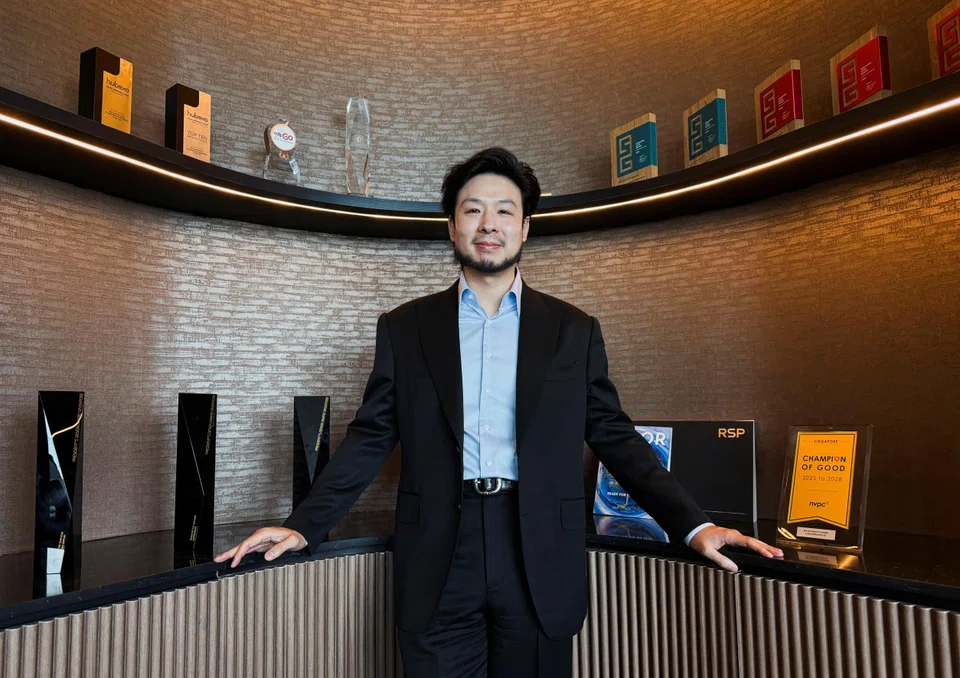
[SINGAPORE/MUMBAI] Asian wealthy families and fund managers are increasingly moving beyond sponsorships and charity-linked sporting events to invest directly in sports assets, betting that growing audiences and rising media-rights fees will drive longer term returns.
The trend is fuelling a record run in dealmaking, with Asia-Pacific sports-related M&A reaching US$3.69 billion in the year to Jul 13, the highest in LSEG records dating back to 1980 and more than 12 times the level a year earlier. Globally, sports M&A was broadly flat at US$8.34 billion.
The deal surge reflects the maturation of sports as an investment theme in Asia. Wealthy families and institutional investors are increasingly pursuing minority stakes in franchises, leagues and sports technology businesses as a way to gain exposure to the sector, with outright team acquisitions remaining rare, costly and restricted, bankers said.
Deal pipelines have also been bolstered by opportunities ranging from a potential minority stake sale in an Indian cricket league team to baseball-linked businesses in Japan and South Korea, advisors said.
Asia has become both a major sports market and a growing source of capital, driven by strong followings for the National Basketball Association, European football and Formula One, said Jordan Solomon, managing director at KKR Solutions in New York.
The investment case is strengthening as audiences continue to grow, broadcasters compete aggressively for premium rights and digital platforms expand access across populous Asian markets.
While Fifa has yet to release final Asia-wide audience figures for the 2026 World Cup, early numbers underscore the region’s pull. The tournament reached 205 million unique viewers on CCTV channels in China after 41 matches, while Japan’s win over Tunisia reached 39 million viewers on Nippon TV, according to Fifa’s website.
“Attention is a currency,” Kiat Lim, a Singapore-based businessman who controls Spanish football club Valencia CF and has held stakes in McLaren Automotive and Salford City FC, told Reuters.
“With more people watching, broadcasters are willing to pay more for the rights, and as the value of those rights increases, that ultimately trickles down to the teams.”
SEE ALSO




Cricket deals
In India, the Goenka family, which owns 100 per cent of Indian Premier League (IPL) team Lucknow Super Giants, is exploring the sale of a 5 to 10 per cent stake at a valuation of US$1.8 billion to US$2 billion, two people familiar with the matter said.
The family has received interest from overseas investors but has yet to decide whether to proceed, another source said. The sources declined to be identified as they were not authorised to speak to the media. A representative for the Goenka family did not respond to a Reuters request for comment.
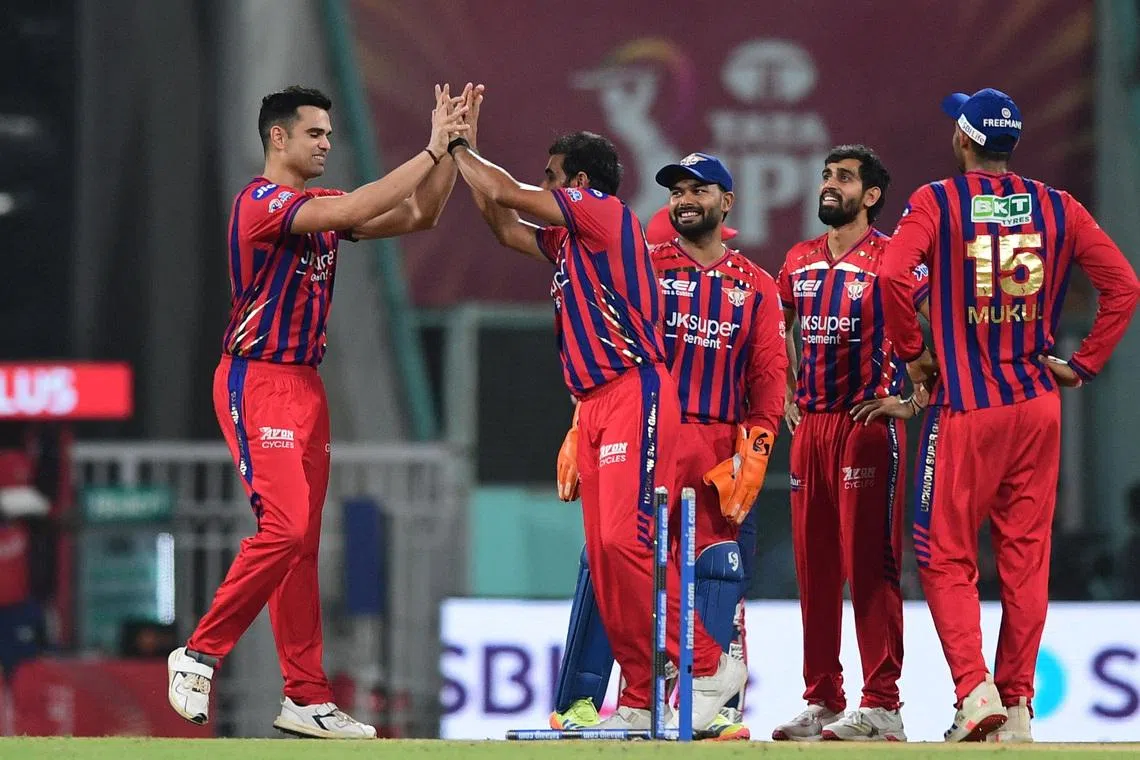
The deliberations follow two major IPL deals in 2026.
United Spirits, the Indian arm of drinks giant Diageo, agreed in March to sell Royal Challengers Bengaluru for US$1.8 billion to a group including billionaire David Blitzer’s family office Bolt Ventures and asset manager Blackstone Group.
In May, a consortium led by industrialists Lakshmi Mittal and Adar Poonawalla agreed to buy a 93 per cent stake in rival Rajasthan Royals at a US$1.65 billion valuation.
Sophia Park Mullen, president of New York-based alternative asset manager EnTrust Global, said sports investing in Asia was “evolving from trophy acquisitions by a handful of billionaires into a more strategic, institutional asset class”.
‘AI-proof business’
John Hutcheson, Citigroup’s global head of sports advisory investment banking, said investors increasingly view sports as resilient, “AI proof” and capable of generating returns that are less correlated with broader markets.
“We’ve gotten more inbounds from institutional capital in Asia recently saying, we love this asset class. We’d love to find ways to invest,” Hutcheson said, adding Citi was not getting those calls “even a year ago.”
Still, some investors warn against treating all sports assets as equal.
Ares Management’s co-head of sports, media and entertainment, Mark Affolter, said newer leagues and sports-linked businesses can carry more risk because winners and losers are less clear.
“There is a sports halo that’s cast wide across the entire industry,” he said. “I think that’s a mistake.”
For Singapore investment company Temasek, sports remains an emerging theme rather than a core strategy even with its long-standing investment in digital sports company Fanatics and exposure through private equity partners.
“It’s a nascent thing,” said Nagi Hamiyeh, president of Temasek Global Investments and head of Europe, the Middle East and Africa.
“Sports could be looked at as an uncorrelated asset class,” he said. REUTERS
Decoding Asia newsletter: your guide to navigating Asia in a new global order. Sign up here to get Decoding Asia newsletter. Delivered to your inbox. Free.
Share with us your feedback on BT's products and services
TRENDING NOW

MSCI proposes standalone status for Indonesia; Jakarta stocks plunge 8%

Palm oil stocks slide after Singapore begins looking into which firms responsible for haze

High Court rules against Julius Baer’s Singapore trust arm in US$50 million family trust dispute

Why is the haze so bad in South-east Asia this year?

