

Taiwan’s wealthy seeks diversification to Singapore, sparking private banking race: Bloomberg
Taiwanese wealth influx to Singapore sparks private banking race among local and Taiwan lenders
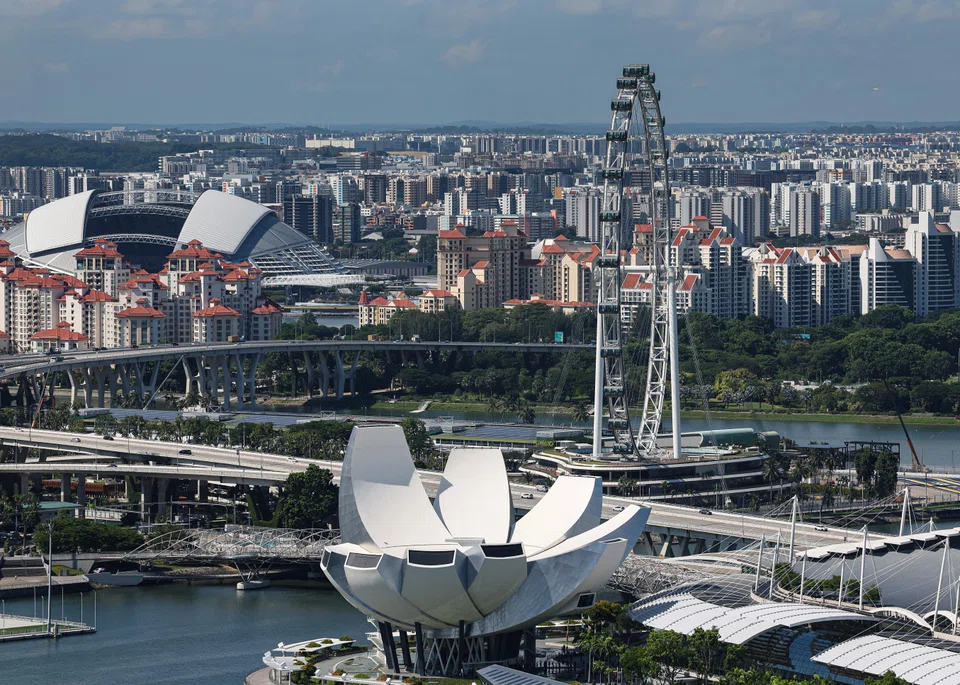
[TAIPEI] When Taiwanese businessman Sunny Huang began looking for an offshore base to safeguard the textile business his parents founded, he mulled locations including Hong Kong and Dubai. He ultimately chose Singapore.
As Beijing ramps up its military and political pressure on Taipei, Huang’s decision reflects a broader shift that’s seen an increasing number of Taiwanese business owners and entrepreneurs keep a portion of their wealth in the city-state due to its political stability, low taxes and, crucially, its perceived safety from the geopolitical risks hanging over Taiwan.
For decades, Hong Kong was the default offshore hub for Taiwanese wealth seeking diversification. But as concerns grow over Beijing’s long-term intentions towards Taiwan, affluent families are increasingly rethinking that playbook, with Singapore emerging as a preferred haven.
“Taiwan’s wealthy individuals are diversifying their wealth to Singapore as a hedge,” said Hsi-Mei Chung, a professor in the business administration department at Taiwan’s I-Shou University. “For Taiwanese people, it’s difficult for Hong Kong to challenge Singapore’s status, as its appeal regarding residency acquisition and political stability has declined significantly.”
Bloomberg News spoke to eight high-net-worth Taiwanese and more than 20 advisers, including lawyers, private bankers and external asset managers who work with the island’s wealthy. Most requested anonymity because they were discussing a geopolitically sensitive topic.
More than two-thirds said they believe tensions between China and Taiwan are deteriorating and require them to take steps to protect their wealth. Several also cited 2027 – the centenary of the founding of China’s People’s Liberation Army and the year by which President Xi Jinping wants the military to be modernised – as a particular source of concern.
Those worries were underscored in May when Xi cautioned US President Donald Trump during his visit to Beijing that mishandling the Taiwan situation could lead to “clashes” between the superpowers, then last month US Defense Secretary Pete Hegseth sought to convince US allies that staying quiet on Taiwan is the best way to project American strength. Others saw it as a win for China.
There is no sign Xi has plans to invade anytime soon. China’s top leader in April met the head of Taiwan’s main opposition party for the first time in a decade, signalling he’d prefer to shape the island’s future through political influence and his purge of top generals has raised questions about the military readiness of the People’s Liberation Army.
Still, the tension has contributed to Huang’s move. Singapore recently approved his application to establish a family office, and he and his brother also obtained employment passes.
SEE ALSO

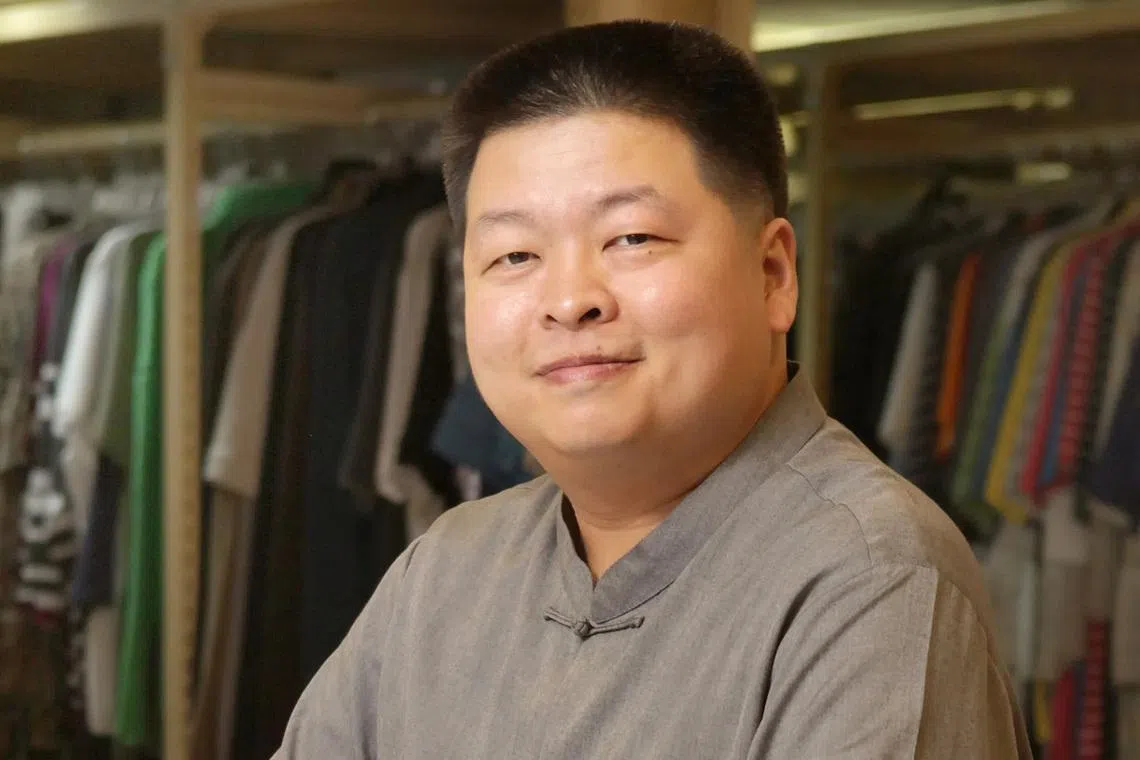
“What it represents is having a place for the plane to land in case of emergency,” the 50-year-old high-net-worth businessman, who is executive director of Taipei-based New Wide Group, said in an interview. “When you land, you at least have assets with you, instead of escaping like a refugee with nothing left. I am very proud to be Taiwanese. But we must still face that unpredictable geopolitical risk. We have to be prepared.”
At stake is the management of one of Asia’s fastest growing pools of money which has been powered by the AI boom. Taiwan is now home to nearly 772,000 millionaires – more than Hong Kong’s 628,000 – according to UBS.
Over the past three years, Singapore has overtaken Hong Kong as the top destination for Taiwanese offshore wealth, according to a report by E Sun Bank and KPMG Taiwan. Taiwanese assets held in Singapore sit at about NT$10.4 trillion (US$326 billion), surpassing the NT$9.6 trillion parked in Hong Kong, excluding property holdings, the report said. This runs counter to a broader trend.
“Since 2016, there has been a distinct shift among wealthy Taiwanese to relocate their offshore assets from Hong Kong to Singapore as a way to hedge against rising geopolitical risks,” said Allen Tsai, founder of the Taiwan Institute of Directors. “Whereas more than 80 per cent of these assets were historically parked in Hong Kong, now roughly 60 per cent to 70 per cent are held in Singapore.”
Changing places
Leo International Group is another Taiwanese firm expanding into Singapore. Founded in Taipei in 2022, the group operates across asset management, health care and education. Earlier this year, it announced plans to relocate its global headquarters to Singapore and establish a family office, saying its goal was to “design for the next hundred years.”
Meanwhile, 35-year-old Danny applied to open an office in Singapore three years ago to manage assets generated by his trading business and a factory his parents built in China. He now plans to move to the Republic by setting up a family office, seeking a stable environment for his two children over the next two decades.
“The political situation in Taiwan is too dangerous,” Danny, who asked to be identified by his first name only because of the sensitive political situation, said. “The risks are too high.”
One of the trailblazers for wealthy Taiwanese establishing themselves in Singapore was Jason Chang, chairman of ASE Technology Holding. He became a citizen in the Republic about two decades ago after building the Taiwan-based company into the world’s largest outsourced semiconductor packaging and testing provider. Chang is now Singapore’s richest man with an estimated net worth of US$23.9 billion.
Singapore’s property market has also attracted growing interest from Taiwanese investors and companies. In 2021, the family behind Hong Kong-listed food giant Want Want China Holdings purchased all 20 units at the ultra-luxury EDEN development near Orchard Road for about S$293 million, according to local media reports. The snack food giant’s chairman Tsai Eng-Meng bought one apartment, while his son Tsai Shao-chung, a Singapore permanent resident and executive director of the company, acquired the remaining 19 units.
Banking links
The influx of Taiwanese wealth into Singapore has sparked a race among both local and Taiwanese lenders to expand their private banking businesses. All of Singapore’s major banks now serve Taiwanese clients, while Taiwanese lenders including CTBC Bank, Taipei Fubon Bank, Cathay United Bank and Taishin International Bank have strengthened their presence in the Republic to follow client assets offshore.
CTBC, the first Taiwanese bank to establish a private banking booking centre in Singapore in 2012, has seen assets under management nearly double to about US$9 billion from less than US$4 billion in 2020, according to Freddie Chen, its head of international private banking. Over the same period, the number of relationship managers serving Taiwanese clients increased fourfold to 20.
Other lenders are also expanding. Taipei Fubon Bank plans to increase its Singapore wealth-management team to 30 by the end of the year from about 25 currently, while Taishin International Bank said assets managed by its Singapore branch have grown to NT$42.7 billion from about NT$2 billion when it established operations in 2014.
Some Taiwanese lenders, including Mega International Commercial Bank, are considering expanding into Singapore’s private banking market as early as this year or next, people familiar with the matter said, attracted by the Republic’s financial and tax advantages.
Mega Bank said at this stage its Singapore branch is focusing on advancing preparations for its wealth management business and that it will continue to evaluate the need for private banking.
Talent recruitment firms have also seen rising demand from wealthy Taiwanese families in Singapore, according to Pierre Pineau, Asia market head at Agreus Group, a family office advisory firm specialising in governance and professionals hiring. He has worked with three wealthy Taiwanese families over the past two years to help establish family offices in Singapore.
Meanwhile, Sunny Huang said he has completed preparations to structure his family assets in Singapore.
“It gives me reassurance,” he said. “As Taiwanese, we don’t take peace for granted. We always prepare for crisis in times of safety and face the future with vigilance.” BLOOMBERG
Decoding Asia newsletter: your guide to navigating Asia in a new global order. Sign up here to get Decoding Asia newsletter. Delivered to your inbox. Free.
Share with us your feedback on BT's products and services






