

Ensuring family and wealth longevity


The adage “shirtsleeves to shirtsleeves in three generations” is almost a cliche, but for the fact that the challenge of sustaining multigenerational wealth is universal.
One frequently cited study isn’t optimistic. It found that by the third generation, more than 90 per cent of wealth would have been dissipated.
Asia-Pacific sits at the epicentre of wealth. The Asia Generational Wealth Report 2025: Succession in a New Era, jointly published last year by UOB Private Bank, Boston Consulting Group and NUS Business School, encapsulates the potential and challenges.
The study expects that by 2029, the value of private wealth in Asia will hit US$99 trillion, a quarter of the global total. It points out, however, that wealth transfer and succession are more complex than families anticipate. For instance, equal division of estates may seem a simple solution. But in the absence of a shared vision for wealth and stewardship, it could exacerbate the erosion of wealth, especially as family members increase in number.
Our Roundtable panellists in this latest edition of Who’s Who in Private Banking share their views on the importance of family governance. What is it, and how can families lay the groundwork for governance that can serve as the glue for future generations?
Ultimately, structuring tools such as trusts are the easy part. More challenging is the communication that must take place to tackle issues such as how families can accommodate the aspirations of younger generations.
The second issue is multigenerational investing. What does such a portfolio look like? How do families who seek both growth and preservation in almost equal measure accommodate new and promising ideas while maintaining a stable core so their portfolios do not suffer whiplash that could cause permanent losses?
We hope this edition provokes thought and helps families take on a multigenerational lens in their quest for sustainable wealth and family cohesion.
Roundtable panellists
- Joseph Poon, group head, DBS Private Bank
- Jason Moo, chief executive officer, Bank of Singapore
- Young Jin Yee, co-head of global wealth management Asia-Pacific and country head, UBS Singapore.
- Dr Neo Teng Hwee, chief investment officer, UOB Private Bank
- Victor Aerni, chief executive officer, Pictet Wealth Management Asia
- Mike Tan, global head, wealth planning and family advisory, Standard Chartered Global Private Bank
- Alexander Harrison, country chief executive officer Singapore, and interim head of private bank Singapore, Barclays
- Dawn Fung, head of wealth planning, South-east Asia, HSBC
- Desmond Kuang, chief investment officer, Asia, HSBC Private Bank and Premier Wealth
- Alice Tan, head of group wealth management, Maybank
- Moderator: Genevieve Cua, wealth editor, The Business Times
BT: Family governance is often seen as key to generational wealth and legacy. What elements make for effective governance, and how can families put this together?
Joseph Poon, group head, DBS Private Bank
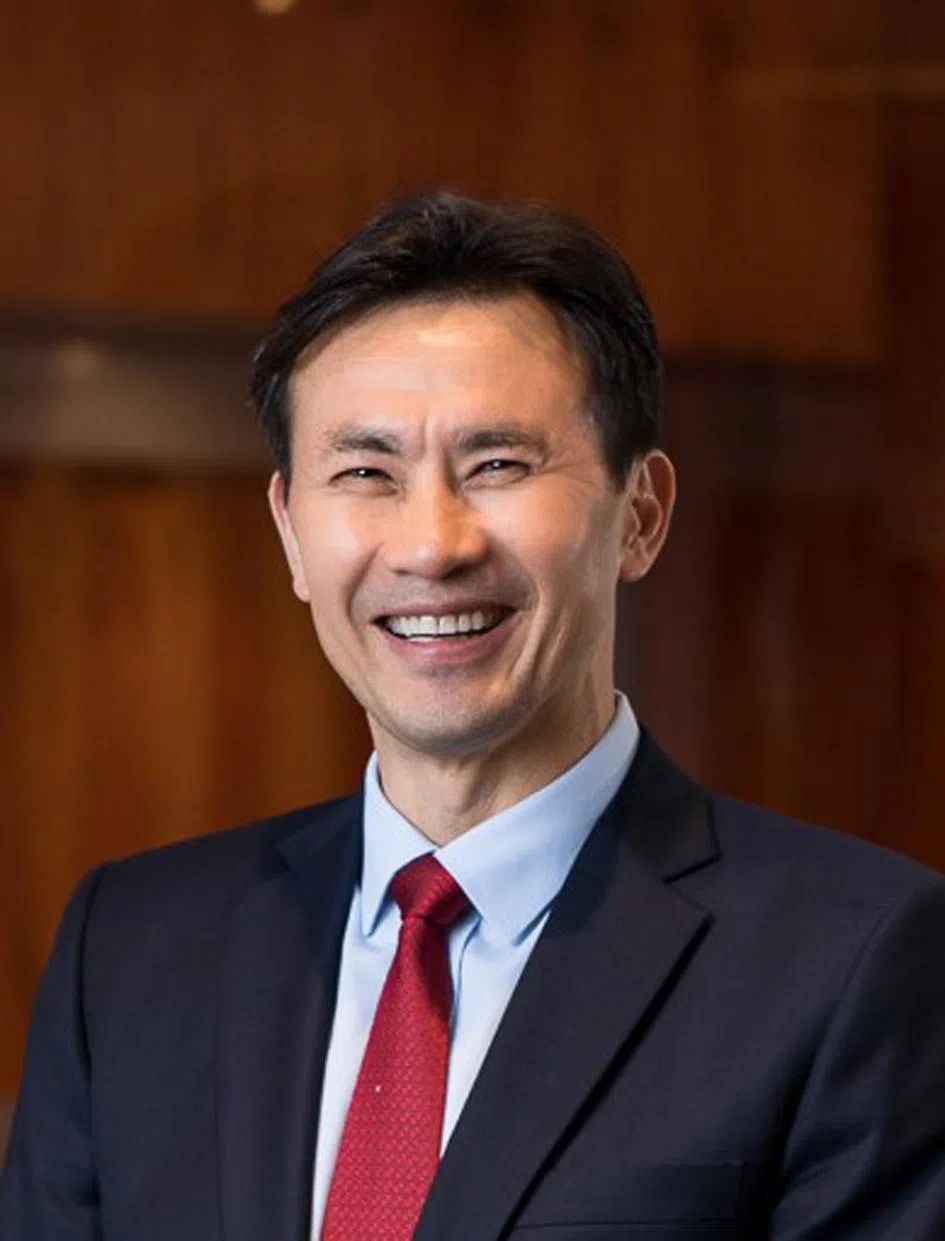
Family governance is often associated with structures such as trusts, family offices, shareholders’ agreements, and family constitutions. While structures and instruments are vital, they are only effective when built upon a strong shared understanding of the family’s collective aspirations.


The cornerstone is a unified vision concerning the family’s purpose, long-term objectives, and approach to critical decision-making. Without this foundational alignment, even the most sophisticated legal structures will struggle to prevent disagreements or ensure the seamless intergenerational transfer of wealth and leadership.
In our experience, effective family governance is built upon several critical pillars: a shared sense of purpose, clearly delineated roles and responsibilities, transparent decision-making protocols, open communication across generations, and established mechanisms for constructive conflict resolution. These are what enable families to remain cohesive as ownership, leadership and wealth pass from one generation to the next.
This principle holds true even among the world’s wealthiest families. Expert advisers and advanced legal arrangements undoubtedly provide crucial structure, yet they cannot substitute for a fundamental alignment on shared values, expectations, and long-term objectives.
For this reason, thorough governance discussions should precede the drafting of legal documents. While a trust structure can determine ownership, and a family constitution can codify principles, neither can create consensus or build trust. These documents work best when they formalise conversations that have already taken place and capture the understanding and agreement that resulted.
We strongly advocate for initiating these pivotal conversations early. Our family governance discovery workshops offer a structured environment for family members to articulate their purpose, expectations, priorities, and future aspirations. This process identifies areas of convergence and surfaces potential gaps requiring further discussion. Once these fundamentals are clearly established, legal and governance structures can be precisely tailored to reflect the family’s shared objectives and support them over the long run.
Jason Moo, chief executive officer, Bank of Singapore
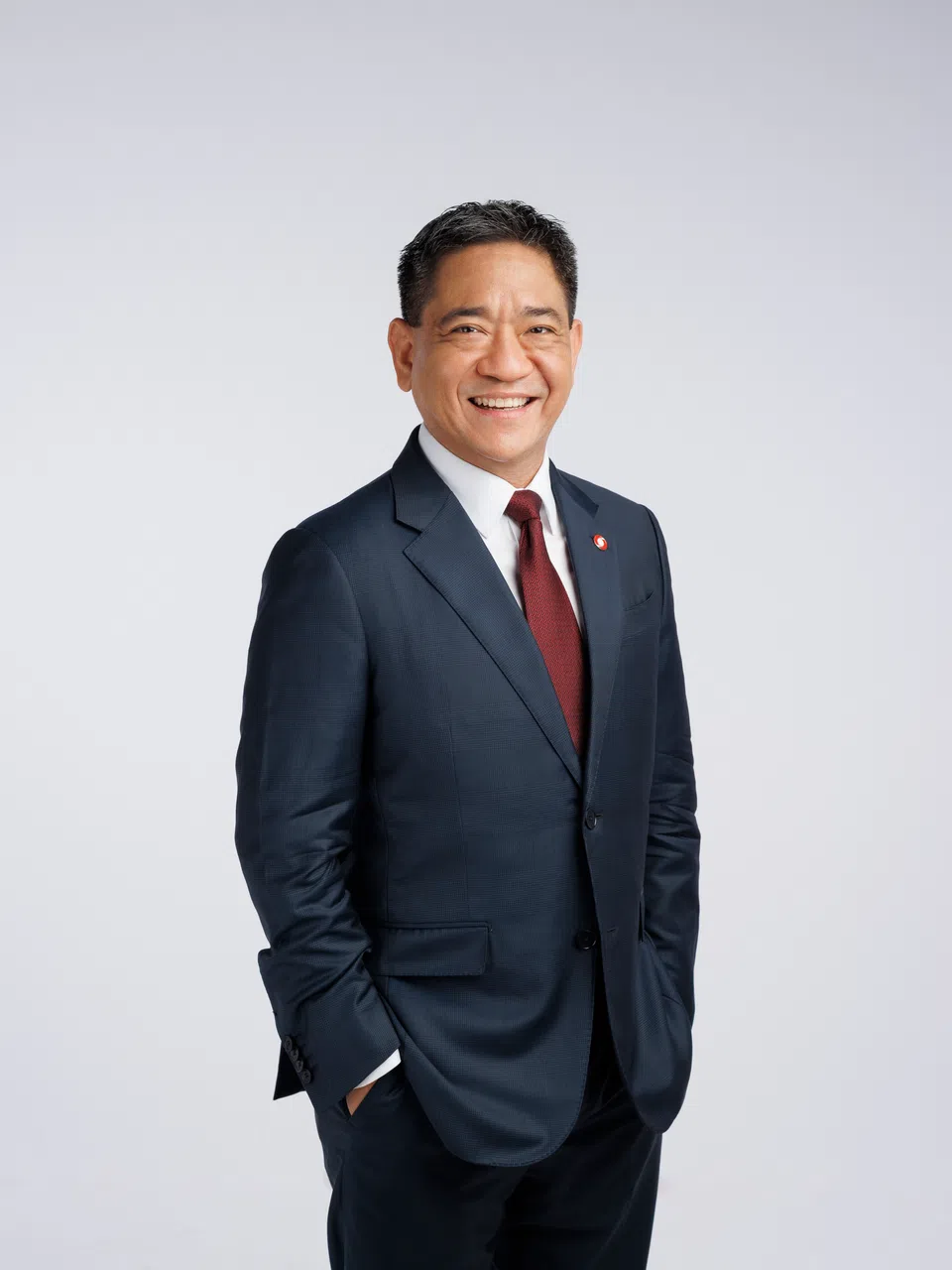
Family governance is often described as the cornerstone of wealth preservation across generations. From our perspective as a private bank, governance is not simply about establishing rules or legal structures. It is about creating a framework that enables families to make better decisions, navigate complexity and remain united as wealth, businesses and family dynamics evolve.
Today, families are more global than ever before. Businesses operate across borders, investment portfolios span multiple jurisdictions, and family members often live in different parts of the world with diverse ambitions and perspectives. In this environment, the greatest risk to long-term wealth is rarely market volatility – it is the absence of alignment.
Effective governance provides that alignment by establishing a shared vision, clear decision-making and accountability before complexity gives rise to conflict.
Every successful governance framework begins with purpose. Before discussing structures, families should first ask themselves a fundamental question: What is this wealth ultimately intended to achieve? The answer is rarely the same for every family. For some, the priority may be preserving a family business. For others, it may be creating opportunities for future generations, supporting philanthropy or safeguarding long-term financial security. A shared understanding of purpose becomes the foundation for future decisions.
While structures such as trusts, foundations and wills remain essential tools for protecting and administering wealth, they support governance rather than define it. Structures can preserve assets, but governance preserves cohesion, continuity and trust.
Having a team of experienced and trusted advisers can also add significant value throughout this process. Building an effective governance framework often requires families to navigate a complex landscape of legal, tax, investment and succession considerations, frequently across multiple jurisdictions.
By bringing together specialised expertise, facilitating open family dialogue and ensuring governance arrangements remain aligned with evolving priorities, a trusted adviser can help families not only preserve wealth, but also strengthen their capacity to steward that wealth responsibly and purposefully across generations.
Young Jin Yee, co-head of global wealth management Asia-Pacific and country head, UBS Singapore

UBS’ latest Global Next Generation Report shows that successful wealth transfer is rarely accidental. Families that treat governance as a living framework, evolving alongside the family itself, are best placed to sustain both wealth and legacy over the long term.
The most effective family governance frameworks typically have five elements.
First, families need to start with a shared purpose and vision for why the family owns wealth together – a long-term view of what “success” looks like beyond financial returns. Whether the goal is to support entrepreneurship, philanthropy or future generations, alignment around purpose and values provides a foundation for decision-making.
Second, communication needs to start early. More than half of respondents in our report believe conversations about wealth should begin in childhood or adolescence. Families that start these discussions earlier generally experience smoother transitions. The most common cause of conflicts is communication breakdowns or avoidance of difficult topics.
Third, families should build formal governance around already existing relationships. Most families in the report have taken care of the “hard” basics such as a will and legal and tax succession structures. Yet fewer than a quarter have formal family governance mechanisms such as family councils, family constitutions, regular family meetings and agreed approaches to conflict resolution, suggesting this is often the missing piece.
Fourth, let responsibility transfer before wealth. Giving younger family members opportunities to participate in business, investment or philanthropic decisions helps build the skills, confidence and judgment needed to become effective stewards. Governance that recognises this – by explicitly sequencing education, involvement, and authority – tends to be more durable.
Finally, governance does not operate in a vacuum. Families benefit from an ecosystem of professional advisers who combine strong technical expertise with the facilitation skills needed to communicate across generations. This helps institutionalise good governance by providing continuity, independent perspectives and execution capacity. We have seen family office adoption rising with generational maturity.
Dr Neo Teng Hwee, chief investment officer, UOB Private Bank
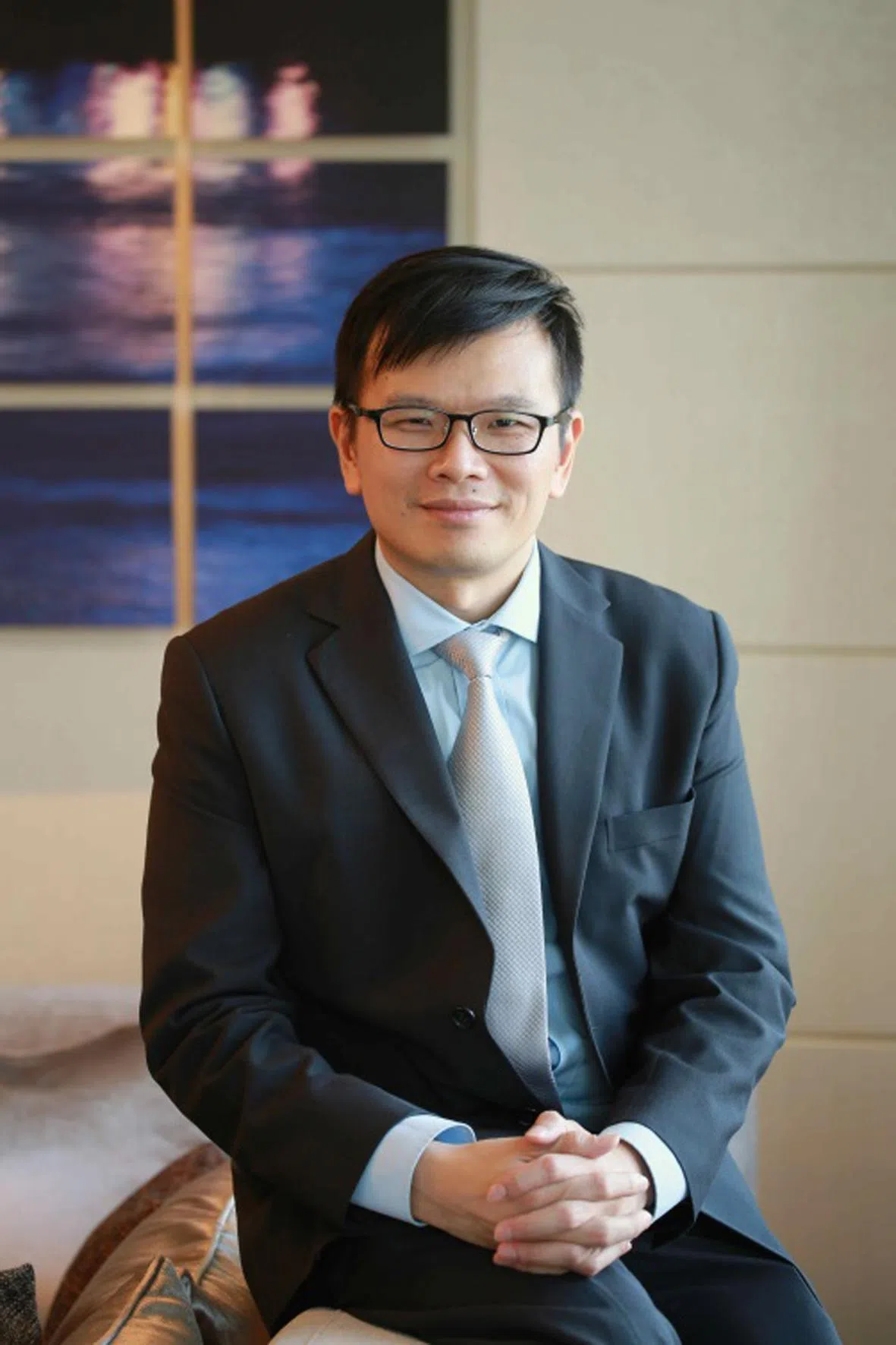
In wealth management, the 100-year family is treated as the gold standard. The fortune survives. The family stays united. Each generation accepts the mantle of stewardship.
It is an appealing picture. It is also slightly misleading.
The real problem is not preservation. It is preservation without purpose. “Keep it forever” is not an investment objective. It is an instruction in search of one.
Before building a generational portfolio, families must answer simpler questions. Who is the money for? What must it fund? How much should support consumption, new businesses or philanthropy?
They should also ask which losses are financially affordable but emotionally unbearable.
That is where governance begins. Not with a 60-page constitution, but with agreement on purpose, authority and behaviour.
Effective governance needs a few basic parts. The family needs a shared purpose. It needs clear decision rights, so everyone knows who advises, who decides and how deadlocks are resolved. It needs forums for participation, usually a family council and an investment committee. It also needs independent advisers, transparent reporting and a way to prepare younger members for responsibility.
Families need not construct all of this at once. Start with a family meeting. Turn the conclusions into a short charter and an investment policy. Give younger members real but limited decisions before handing them larger ones. Review the arrangements each year, while disagreements are still manageable.
The Rockefeller family offers a useful example. Its family office, established in 1882, was a way to organise increasingly complex business and investment affairs. In the 1890s, Frederick T. Gates helped John D Rockefeller bring professional discipline to both wealth and philanthropy. Over time, trusts, advisers and philanthropic institutions gave later generations a framework for participation and decision-making.
The achievement was not simply superior returns. It was keeping a large, branching family functional after the original business empire had gone. Governance allowed the family to continue without expecting every descendant to think like the founder.
Victor Aerni, chief executive officer, Pictet Wealth Management Asia
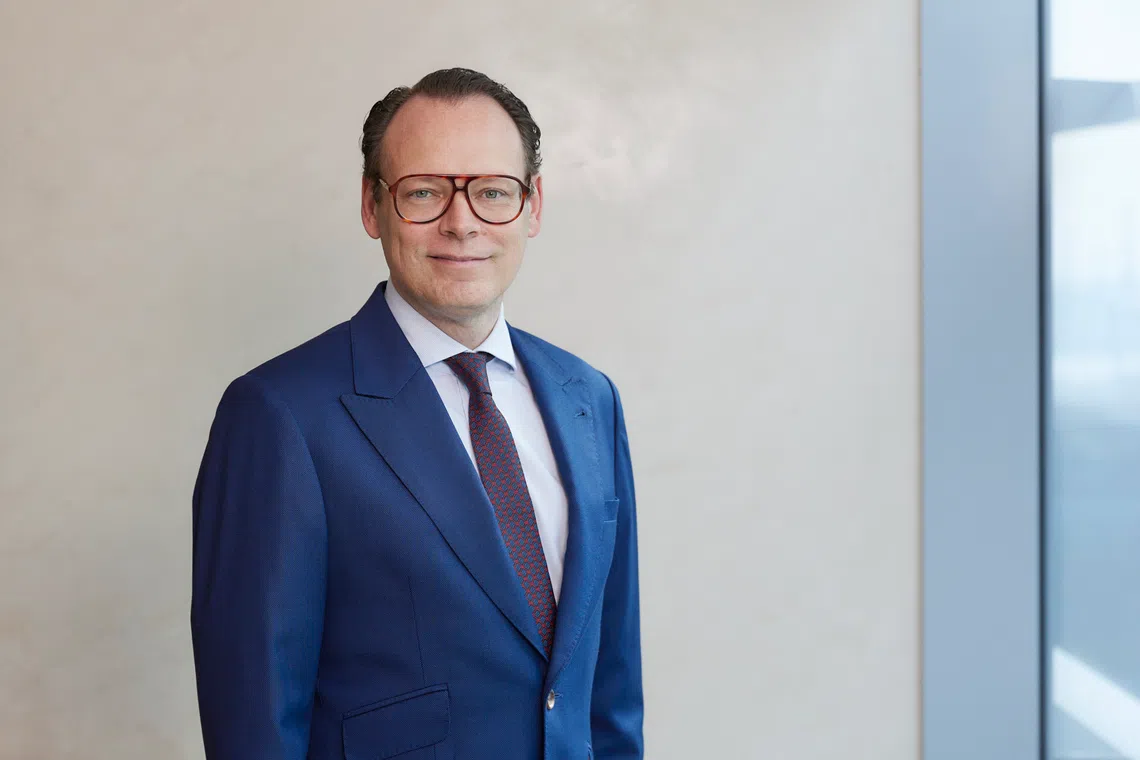
At Pictet, we see family governance as the cornerstone of enduring legacies. Preserving wealth across generations is less about structures than stewardship. Family governance provides the framework that enables families to make good decisions together, resolve differences constructively, and remain united around a common purpose.
There are a few key elements to consider when crafting family governance.
First, the family’s shared vision and values. Families should ask themselves fundamental questions such as: What is the purpose of our wealth? What responsibilities come with it? What impact do we hope to achieve? The most successful families articulate a common mission that goes beyond financial success, anchoring decisions in what truly matters to them.
Second, have open, regular communication. The strongest families meet often not just to discuss business or investments but also emerging issues and concerns. Structured forums, for instance, family councils, charters, and cross-generational meetings can create space for honest conversations, helping families address sensitive topics early and build trust.
Third, define clear roles and transparent processes. As families expand across generations, ambiguity often becomes the greatest source of conflict. Defining responsibilities and decision-making frameworks depersonalises issues and fosters harmony, even as families grow and diversify.
Fourth, educate and engage the next generation. Succession is not something to be handed over at a particular point in time. It is a lifelong process of preparing future stewards. Financial literacy, exposure to family businesses or investments, and participation in family meetings help ensure younger family members are prepared, confident and engaged.
We should not overthink governance either. A first-generation entrepreneurial family will not need the same level of formal framework as a fifth-generation global investment family. Bureaucracy is the last thing we want. Ultimately, effective governance is about nurturing a culture of collaboration and responsibility – qualities that have underpinned Pictet’s own partnership for over two centuries. A well-managed wealth transfer should be in the interest of all generations. It starts with understanding the family values and combining expertise with empathy.
Ultimately, it is more important to have open communication based on shared family values than just rigid frameworks.
Mike Tan, global head, wealth planning and family advisory, Standard Chartered Global Private Bank
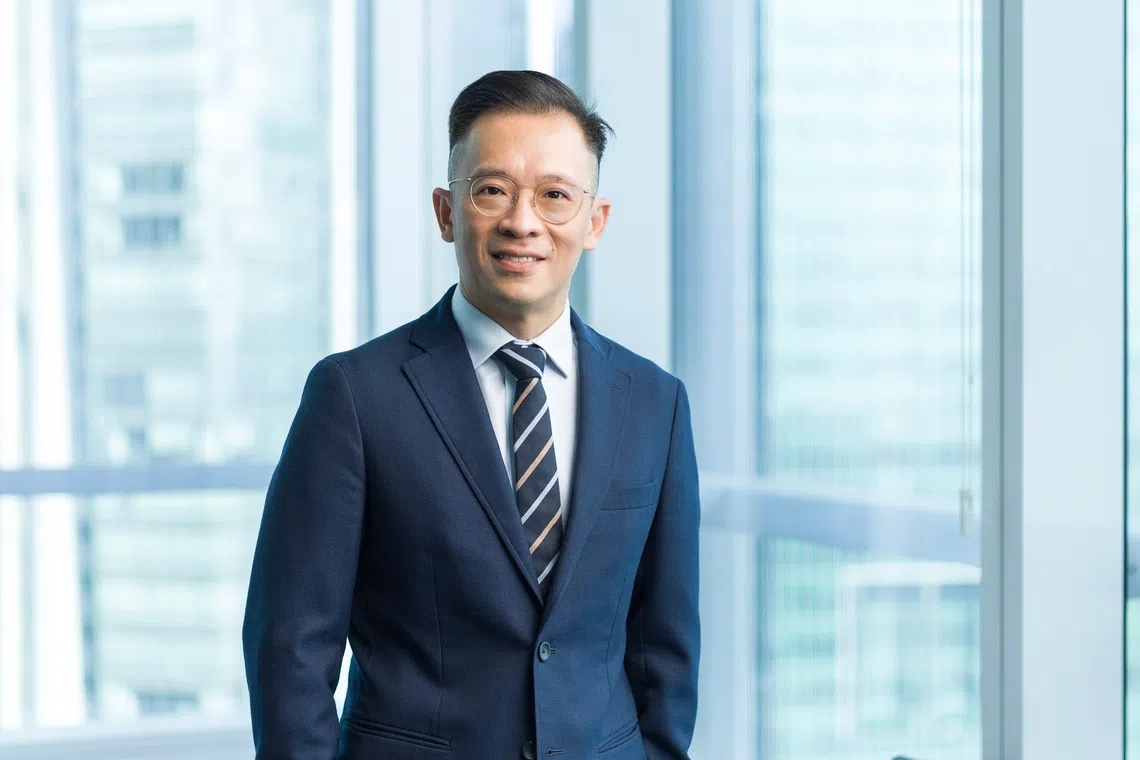
Family governance is critical for families with significant wealth or family-owned enterprises. It is a set of structures, processes, policies and shared values that is used to guide decisions, manage wealth, oversee family businesses, prepare future generations and maintain family harmony. Effective governance enables a family to focus on purpose, succession and stewardship.
The Rockefeller family is often cited as a strong example of effective family governance. John D Rockefeller established disciplined structures, including trusts, philanthropic vehicles and an early family office, to separate ownership from beneficiaries, promote financial education and centralise wealth management. Generations later, the Rockefeller name remains closely linked to wealth preservation, philanthropy and family legacy.
Effective governance often begins with a family constitution, a document that captures the family’s values, vision and mission, and sets expectations around matters such as wealth distribution, family participation, marital arrangements and the role of family members. Besides serving as a formal document, it provides a reference point for how the family wishes to operate.
As families expand across generations, the number of stakeholders and diversity of interests naturally increase, underscoring the importance of clear decision-making processes and robust governance protocols. In many ways, larger families resemble business organisations, requiring defined structures to determine who has authority, when consensus is required, and how decision-making bodies such as a family council or investment committee should function.
Regular, well-structured family meetings can provide an additional forum to discuss the family balance sheet, business priorities, philanthropic ambitions, succession issues and long-term objectives. These augment the day-to-day decision-making and operational oversight undertaken by the investment committee.
Conflict resolution protocols are also needed to establish clear pathways for mediating disputes before they escalate and damage family relationships.
The development of the next generation is equally important. In addition to financial literacy, younger family members should be equipped with an understanding of the responsibilities that come with being a part of the family. This would help to cultivate stewardship, leadership and a sense of shared purpose.
Philanthropy is an increasingly important component of effective governance. It is often viewed as the glue that binds the family together. It creates shared purposes, common identities and ultimately closer bonds. A clear and sustainable framework can help guide the family’s philanthropic outreach, strengthen its impact, and ensure it is supported by well-governed processes, clear legacy objectives and robust impact measurement practices.
Family governance is easier said than done, however. Bringing these elements together requires intentional commitment from family members. Wealth planning professionals can act as catalysts for families to begin the process, facilitate open dialogue as neutral facilitators, and bridge generational perspectives as trusted advisers who can help translate shared values into practical planning structures.
Alexander Harrison, country chief executive officer Singapore, and interim head of private bank Singapore, Barclays
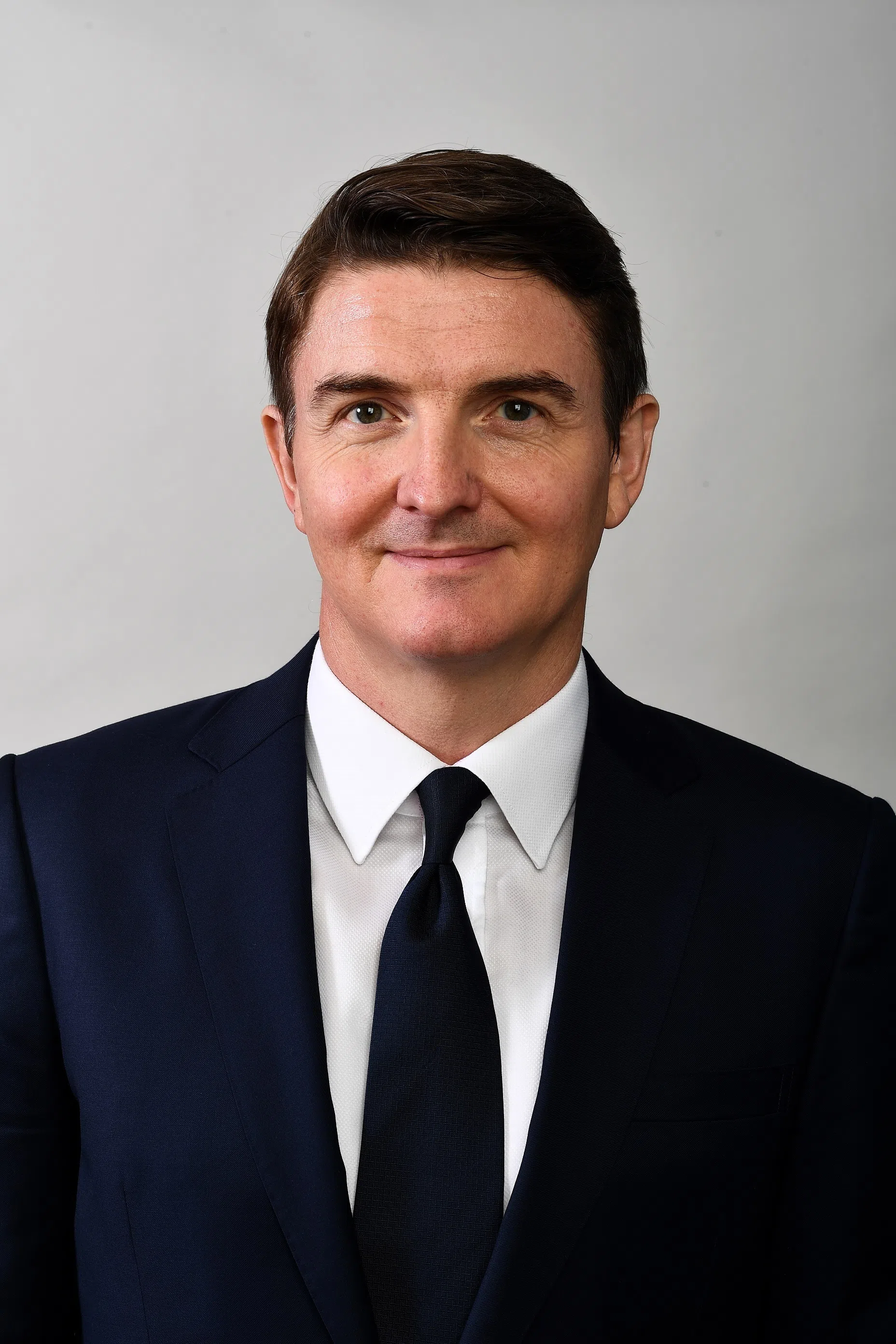
“The perfect amount to leave your children is enough money so that they would feel they could do anything, but not so much that they could do nothing.” Warren Buffett’s observation from 1986 still rings true today. Passing on wealth, while difficult and emotional, is often a point-in-time event. Preparing the next generation to manage it responsibly involves a lifetime of work.
Effective family governance is not about bureaucracy; it is about building the architecture that allows wealth to outlast any single generation. In our experience, the families that get this right share one defining trait: clarity. This includes structural clarity around family and business roles, decision-making processes, ownership structures and succession plans, as well as clarity around the family’s purpose and long-term objectives.
Perhaps more importantly, there must be individual clarity among family decision-makers. Families need honest conversations about expectations, responsibilities and the future. Do family members share the same vision? Are future generations being prepared for stewardship? Is there alignment on what the capital is ultimately for, whether it is for preserving wealth, supporting entrepreneurship, philanthropy or creating opportunities for future generations?
Family councils, constitutions and family offices are valuable facilitators, but they are not standalone solutions. The most successful families approach governance in the same way they approach their businesses – with clear objectives, defined decision-making processes and regular communication.
As families become more global, governance naturally becomes more complex. Ultimately, the strongest governance frameworks are those that evolve alongside the family, helping ensure alignment through changing markets, regulations and life events. The families that endure are those willing to revisit and refresh their plans regularly, supported by trusted advisers who can help navigate both the investment and human dimensions of that journey.
Dawn Fung, head of wealth planning, South-east Asia, HSBC
The best place to start with family governance is not the document, but the conversation. Before putting a governance framework in place, families should first agree on the fundamentals: who has a voice in major decisions, what qualifies someone for leadership, and what it means if a family member chooses not to work in the family business.
Families that do this well recognise three distinct roles: ownership, management and family membership. These roles should not be assumed to overlap. A son or daughter can be an equal and valued family member without automatically being the right person to lead the business. Making that distinction early helps set clear expectations and preserve family relationships over time.
Good governance is not something you draft once and put away. It should evolve alongside the family and the business. The families that do this best treat governance less as a box-ticking exercise and more as an ongoing habit. They hold regular conversations about roles, succession and shared expectations, so decisions can be made with clarity long before difficult moments arise.
Alice Tan, head of group wealth management, Maybank
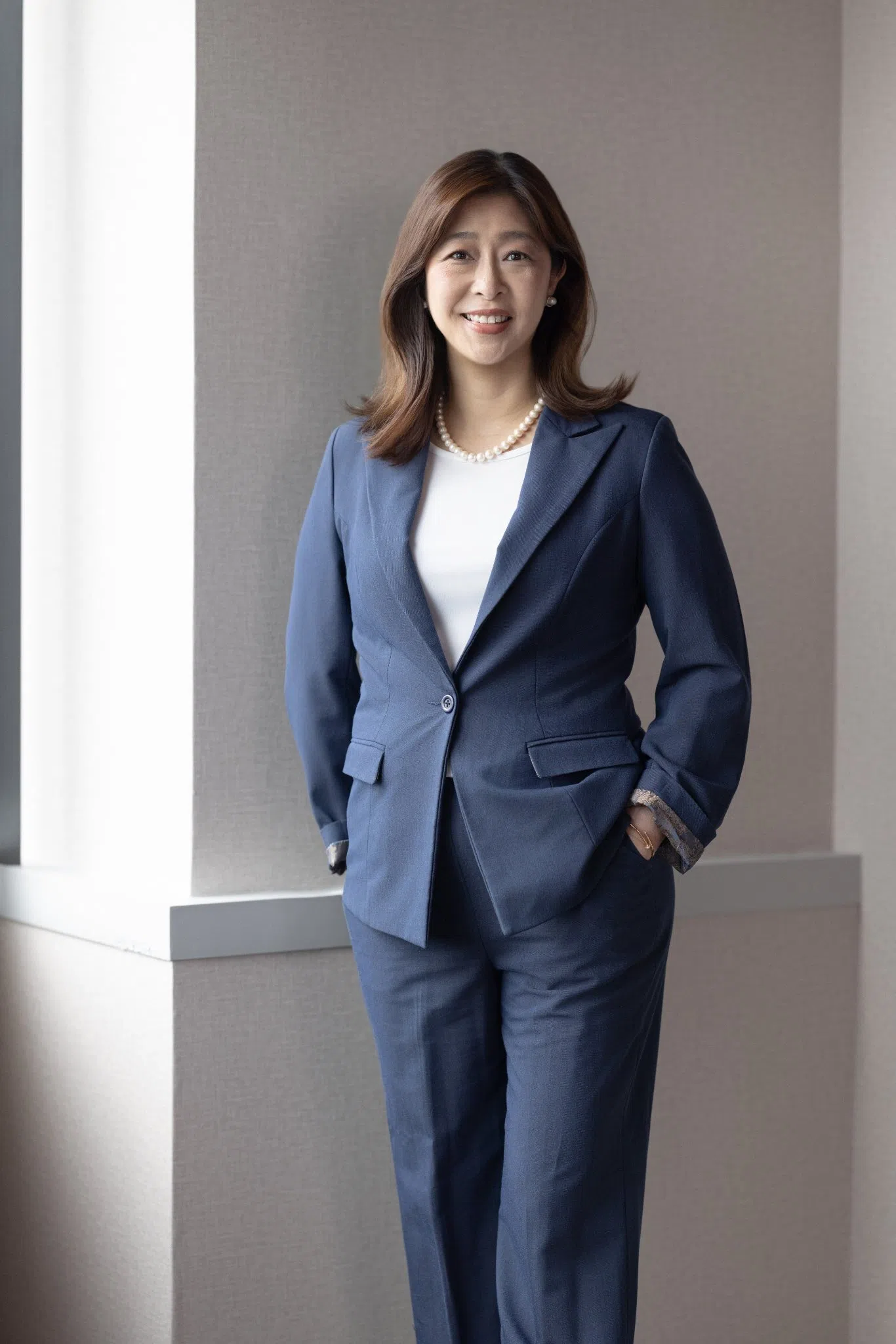
Effective family governance starts with a shared vision and values. Families should have open discussions around their long-term aspirations, how decisions will be made, and the responsibilities expected of each generation. It might sound cliche, but regular family meetings are a good start.
It is also equally important to prep for the next generation. Financial literacy, investment education and early involvement in family discussions help build confidence and stewardship.
For entrepreneurial families, governance extends to ensuring the continuity of the family business. This includes having clear succession plans, defining ownership and management roles, establishing decision-making frameworks, and preparing the next generation not only to inherit the business, but also to lead it responsibly with the right family values.
Banks can play an important role by bringing together wealth planning, trust and estate planning, investment advisory and philanthropy into a holistic conversation. The objective is not simply to transfer assets efficiently, but to transfer purpose, values and responsibility alongside wealth.
What does investing with a generational mindset entail? How do you craft a portfolio that is able to withstand market, geopolitical and other such upheavals?
Joseph Poon
Investing with a generational mindset means looking beyond the next market cycle and focusing on preserving and compounding wealth over decades. Rather than optimising for short-term returns, it is about building portfolios that can withstand changing economic regimes while continuing to support future generations.
The investment landscape has become structurally more complex. Geopolitical tensions, inflation risks, energy security concerns, fiscal pressures, and technological disruption are no longer isolated events but recurring forces that shape markets.
As a result, portfolios should not be built around a single base case. They need to remain resilient across a range of scenarios.
That starts with diversification across asset classes, geographies, currencies, sectors, liquidity profiles, and sources of return.
For many families, this also means addressing concentration risk. Wealth creation is often closely tied to domestic businesses and regional assets, resulting in portfolios that are naturally concentrated in familiar markets.
While local expertise remains valuable, long-term resilience requires broadening the opportunity set across asset classes and geographies beyond any single economy or market cycle.
A global approach allows investors to access the best opportunities wherever they emerge, while reducing exposure to country-specific economic, regulatory, or geopolitical risks.
Portfolio construction should also balance long-term growth with resilience. Structural growth themes such as artificial intelligence, energy infrastructure, and healthcare innovation present compelling long-term opportunities. But they should be complemented by assets that provide income, liquidity and diversification.
This underpins our barbell approach, combining secular growth equities with income generators and diversifying alternatives, so investors can participate in long-term opportunities while retaining a buffer against volatility.
Diversification today extends beyond the traditional mix of stocks and bonds. During periods of persistent inflation or heightened market stress, correlations between asset classes can rise, blunting the effectiveness of conventional diversification approaches.
In these environments, quality credit, gold, selected commodities, private assets and hedge fund strategies can strengthen portfolio resilience by providing differentiated sources of returns, preserving purchasing power or generating returns that are less dependent on market direction.
Jason Moo
Investing with a generational mindset is fundamentally about resilience. It is about building portfolios that can preserve and compound wealth across generations, while remaining adaptable to changing market conditions and evolving liquidity needs.
Achieving this has become more challenging today. Traditional portfolio construction is being tested by a world that no longer behaves as it once did. Amid shifting macroeconomic and geopolitical regimes, coupled with the transformative impact of AI, measures of diversification and correlation that guided investors for decades are becoming less dependable.
What appears to be diversification across asset classes can often mask concentration in a limited number of underlying drivers such as growth, credit and liquidity. When these drivers move together, particularly during periods of market stress, portfolios can become significantly more vulnerable to a narrow range of outcomes than investors realise.
Against this backdrop, we believe portfolio construction must extend beyond traditional asset class classifications and instead be viewed through the lens of underlying economic roles and factor exposures. This belief underpins our proprietary Whole Portfolio Approach (WPA), where every investment decision is assessed based on its marginal effect on portfolio outcomes – how it alters return potential, risk balance, liquidity and the interaction of exposures. The focus therefore shifts from asking whether an investment idea is attractive in isolation to whether it strengthens the portfolio’s overall balance and resilience.
A disciplined strategic asset allocation (SAA) framework remains equally important. To complement our WPA, we employ a robust and optimised SAA framework that accounts for uncertainty in capital market assumptions. By stress-testing across regimes and modelling downside risks, portfolios that remain resilient across a spectrum of plausible outcomes, rather than a single scenario, can be constructed.
Investors must also look beyond short-term market noise to the structural forces that will shape the future. The secular forces we currently believe will reshape the investment landscape over the long term are geopolitical and supply chain realignment, China’s economic renaissance driven by innovation and advanced manufacturing, the transformative impact of AI and increasing longevity. We refer to these as Supertrends. Understanding these Supertrends provides an important foundation for constructing resilient portfolios, informing investors’ approach to capital allocation, risk management and the pursuit of potential growth opportunities.
Young Jin Yee
A generational investment approach focuses on creating a portfolio that can stand the test of time. The aim is not simply to meet near-term objectives, but to steward wealth for future generations through a diversified and resilient portfolio capable of weathering market volatility and geopolitical uncertainty, while continuing to compound over the long term.
Rather than optimise for a single short-term outlook, the portfolio should focus on preparing for a range of scenarios (downside, base and upside), instead of trying to predict one specific outcome. In practice, this means avoiding concentrated bets on one macro outcome, such as one interest rate or geopolitical path, and ensuring the portfolio has components that can help to mitigate downside risk in stress periods, participate in base-case growth and capture upside when markets surprise positively.
A robust “core” allocation is the foundation for meeting long-term objectives. One can strengthen the core by firstly ensuring a diversified mix of traditional assets (equities, fixed income) aligned with long-term goals and risk tolerance.
We also see a continued role for alternative investments as both a source of differentiated returns and potential portfolio diversification, especially in an environment of geopolitical uncertainty and pockets of credit stress. For some investors, it may be appropriate to consider whether private markets sit within the core portfolio or as a satellite allocation earmarked for spending beyond one’s lifetime, which can better accommodate illiquidity.
Secondly, the structure should not be overly dependent on short-term timing decisions. Instead it should be designed to enable investors to stay invested through cycles. Lastly, periodic rebalancing of the portfolio is vital to keep risk in line with long-term targets, especially after large market moves.
A generational portfolio must be able to withstand not only market volatility but also liquidity stress. Understanding how investment structures operate, how they behave under stress, and the inherently illiquid nature of many private-market assets is important.
This disciplined diversification helps portfolios to withstand market, geopolitical, and other upheavals while remaining aligned with multigenerational goals.
Neo Teng Hwee
Investing with a generational mindset does not mean buying everything and waiting a century. It means giving different pools of capital different jobs.
Money needed for distributions, taxes and near-term commitments should remain liquid. Medium-term needs can sit in high-quality income assets. Capital with no foreseeable claim can take more equity risk and accept some illiquidity.
The portfolio must also survive being wrong. That requires diversification across economic drivers, currencies, jurisdictions, asset classes and managers. A portfolio can own many things yet still depend on one hidden bet, such as cheap money, domestic property or the family business.
Liquidity matters just as much. Private assets should be sized against realistic cash calls, not hopeful exit dates. A contingency reserve and clear rebalancing rules allow a family to buy during a downturn rather than sell into one.
Geopolitical resilience is less glamorous but equally practical. Families should know where assets are legally held, where custodians sit and which currencies fund their spending. They should consider what happens if sanctions, capital controls, cyber disruption or a family emergency blocks access.
Some duplication may be sensible. A second bank or custody arrangement looks inefficient until the first one becomes unavailable.
Behaviour is the final risk. A family may be able to afford a 20 per cent decline but still lack the temperament to endure it. A technically elegant portfolio is useless if it produces panic, litigation or a fire sale.
The family office therefore has a broader job than choosing funds. It must connect purpose, governance and portfolio design. It must also preserve the reasoning behind decisions, then revisit those decisions as the family and the world change.
After all, a portfolio may last for generations but its assumptions rarely do.
A successful legacy is not merely wealth that lasts. It is a family equipped to decide what that wealth should become.
Victor Aerni
Today’s environment is a timely reminder of why a generational investment philosophy matters. Over recent weeks, investors have witnessed extraordinary swings across Asian equity markets, particularly in tech-heavy markets such as Japan, South Korea and Taiwan, driven by shifting expectations around AI, trade policies and geopolitical developments.
While such episodes can be unsettling, they also reinforce an important lesson that attempting to time markets is rarely a successful long-term strategy. Generational investing requires a different perspective from investing for the next quarter or even the next few years. It’s about building portfolios that not only withstand today’s volatility but also thrive across decades. In current times, our approach stands out for its discipline, innovation, and client alignment.
In practice, this involves a few key dimensions:
First, have a long-term vision and active partnership. We help families define investment goals that reflect their values and legacy, not just short-term returns. Our investment solutions are built for resilience, blending global expertise with local insight, especially relevant in Asia’s dynamic markets.
Second, ensure diversification and adaptability. Portfolios are constructed to weather storms across asset classes, geographies, and themes. In today’s fragmented world, this means not being overly concentrated in any one sector or region and being ready to pivot as opportunities arise.
Third, ride on long-term megatrends with thematic and sustainable investing. We are a pioneer in thematic strategies, focusing on long-term trends like technology, healthcare and sustainability. Our latest outlooks highlight the rise of Asia, the growing importance of private markets, and the need to embrace megatrends that will shape the next decade.
Fourth, allocation to alternatives and private assets. Such assets including private equity, real estate and hedge funds can provide uncorrelated returns and help preserve wealth through market cycles.
Fifth, have a disciplined, research-driven process combining top-down macro views with bottom-up security selection, supported by rigorous risk management. We favour active management, high conviction, and a focus on quality, especially in sectors and companies with enduring value.
Sixth, responsibility and alignment. ESG (environmental, social and governance) is embedded in every investment decision. Responsible investing is not just about risk management, but about creating long-term value and aligning portfolios with each family’s purpose.
Having navigated more than two centuries of wars, financial crises, pandemics and geopolitical changes, Pictet’s philosophy has remained consistent. Markets will always experience periods of exuberance and anxiety. Our role is not to predict every twist and turn, but to help families remain anchored to a long-term strategy that is sufficiently resilient to weather uncertainty while continuing to compound wealth across generations.
Mike Tan
Growing, managing and protecting wealth across generations require close attention and planning. At Standard Chartered Global Private Bank, we leverage our “Wealth Select” framework to guide clients to achieve their investment objectives through the “Today, Tomorrow and Forever” approach.
Planning for “Today” helps clients to maintain their existing lifestyle. Taking a “Tomorrow” lens supports achieving their life goals and improving their current lifestyle.
To plan for “Forever”, a generational mindset is crucial in determining the appropriate investment framework.
In general, for a framework to stand the test of time, most of the allocation should go to a foundation portfolio, which is diversified across as many sources of returns and asset classes. Opportunistic ideas should only form a small part of the portfolio and this should be managed actively. The only exception might be areas which could give asymmetric upside over very long periods of time.
Depending on their investment objective – wealth preservation, beating inflation or portfolio growth – investors can determine the appropriate level of risk in their portfolio.
As the Forever bucket has the longest time horizon, the level of risk can be higher. However, investors should also consider whether the recipients are expected to live off the income generated by the portfolio or are happy to sell periodically for the same objective.
For some investors, being able to protect their wealth and family needs while achieving returns at the same time is a priority. An insurance solution that meets both these needs could well complement the portfolio.
Alexander Harrison
Investing with a generational mindset starts with accepting that there will always be another crisis. As uncomfortable as it can be, embracing uncertainty as a permanent feature of investing rather than the exception reframes the conversation and focuses attention on what matters most: preserving wealth over generations.
The question is therefore not how to avoid volatility, but how to build a portfolio that can live through it. In our view, two principles are particularly important: diversification and flexibility. Together, they provide the foundation of a resilient portfolio that can withstand different market and geopolitical stressors.
Diversification remains the first line of defence. Spreading exposure across geographies, asset classes and sources of return helps reduce dependence on any single market outcome and creates greater resilience in periods of uncertainty. Families that cling too tightly to the winners of the past can find themselves exposed as market dynamics evolve.
Equally important is maintaining flexibility. Markets are constantly changing, new opportunities emerge and portfolio construction techniques continue to develop. We have seen this over time through the broader adoption of exchange-traded funds (ETFs), increasing allocations to private assets and access to new sources of return.
Families that remain open-minded and adaptable are often better placed to navigate uncertainty and capture opportunities as they arise. New tools should complement existing portfolios, helping build additional sources of return and resilience while maintaining discipline through continuous review.
Another often underappreciated aspect of portfolio construction is liquidity management. Maintaining appropriate liquidity allows families to navigate uncertainty without being forced into difficult decisions during periods of stress. It also enables them to act opportunistically when attractive valuations emerge.
Ultimately, a robust investment framework helps families stay focused on long-term objectives rather than short-term noise. The goal is to build diversified, resilient and adaptable portfolios that can preserve and grow wealth across generations, regardless of the challenges markets may present.
Desmond Kuang, chief investment officer, Asia, HSBC Private Bank and Premier Wealth
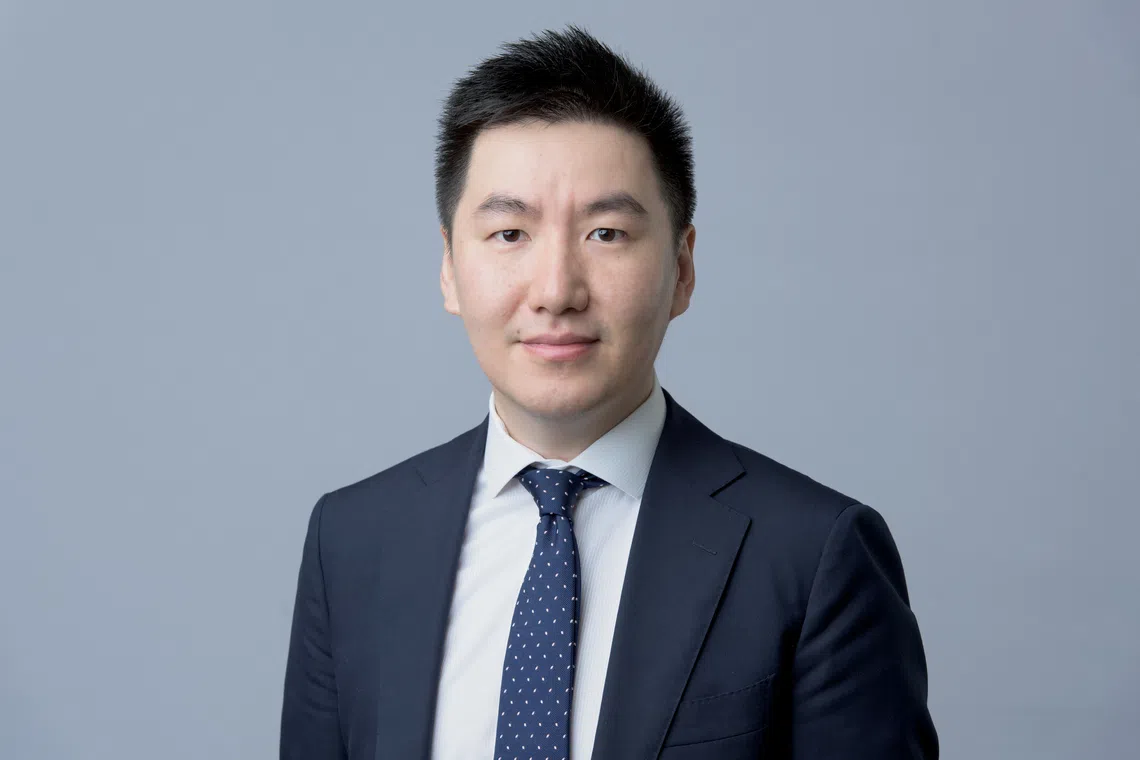
A generational mindset starts by recognising that a family’s largest asset is often not its investment portfolio, but its operating business. Once you see it that way, the role of the liquid portfolio changes. It isn’t there to chase the same opportunities the business already carries. It is there to diversify the family’s overall wealth, creating resilience across market cycles. We regularly see portfolios that are, in effect, a second bet on the same industry the family’s wealth was built on.
Resilience to market and geopolitical shocks comes less from predicting the next disruption than from ensuring that no single event can do disproportionate damage. This can be achieved by spreading exposure across geographies, asset classes and investment styles, while maintaining sufficient liquidity so families are never forced into difficult decisions during periods of market stress.
A generational portfolio also has the advantage of time. That longer investment horizon allows families to access opportunities such as private markets, venture capital and co-investments that can complement the entrepreneurial wealth they have already created. The discipline comes from ensuring that patience is a deliberate strategy, supported by diversification and regular portfolio reviews, rather than an excuse for holding concentrated positions out of familiarity or sentiment.
Alice Tan
Investing with a generational mindset means looking beyond today’s headlines and building portfolios that remain resilient over decades rather than quarters.
While market volatility and geopolitical uncertainty are inevitable, investors should avoid making decisions based solely on short-term events. Instead, portfolios should be diversified across asset classes, sectors and geographies, with sufficient liquidity to navigate challenging market conditions.
A resilient portfolio needs to evolve over time. Strategic asset allocation remains the foundation, but portfolios should be reviewed regularly to reflect changing economic conditions, family objectives and life stages.
Increasingly, we also see investors incorporating private markets, sustainable investments and alternative strategies to enhance diversification and access long-term growth opportunities. For some clients, Islamic investments also provide an additional source of diversification through their emphasis on values-based and ethical investing.
It is also important to have sound cashflow management as families need to balance liquidity to fund lifestyle needs, business opportunities, education, philanthropy and charitable causes, and unforeseen events.
Establishing a shared family purpose – whether through a family constitution, regular family discussions or charitable foundations – helps align future generations around common values and long-term aspirations.
Decoding Asia newsletter: your guide to navigating Asia in a new global order. Sign up here to get Decoding Asia newsletter. Delivered to your inbox. Free.
Copyright SPH Media. All rights reserved.
TRENDING NOW

Government to bring forward raising of retirement age, give employers more financial support to create flexi-load jobs

If Europe goes to war, the fallout will be felt in East Asia

Indonesia stocks suffer worst plunge in nearly 30 years as MSCI proposes standalone status

Vietnam’s northern provinces, not Hanoi or Ho Chi Minh City, are powering near 10% GDP growth

