Gold: Is now the time to buy?
When deciding whether to purchase the precious metal now, it helps to think like you would about insurance
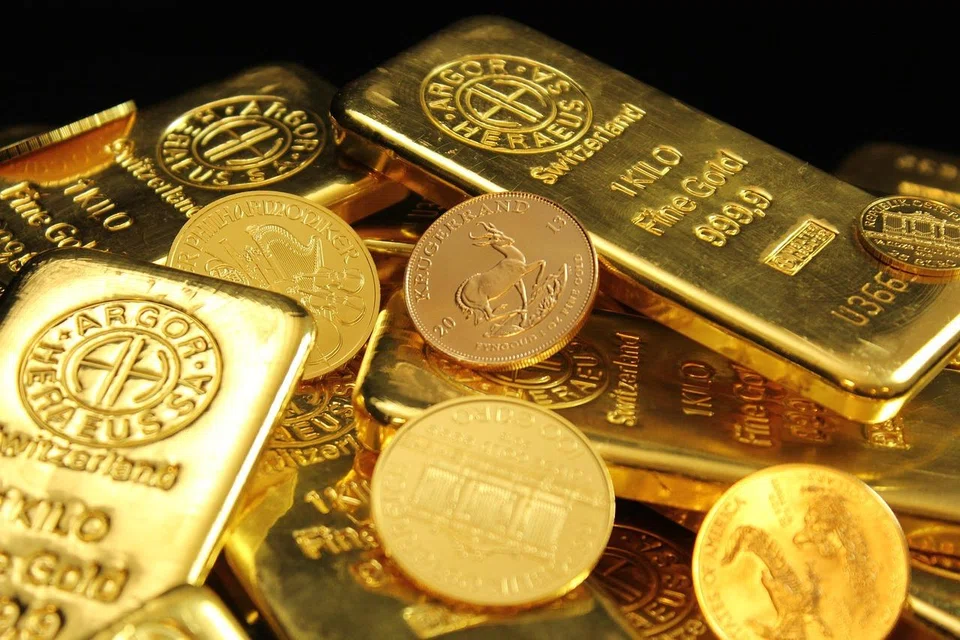
IN THE past year, gold has captured headlines as one of the standout performers among global asset classes.
After trading for much of the past decade below previous record highs, gold prices surged dramatically throughout 2025, pushing past US$4,000 per ounce and even topping US$5,000 in early 2026 – a year-on-year surge of more than 50 per cent.
These advances reflected were driven by persistent safe-haven demand amid geopolitical uncertainty, concerns about the durability of the US dollar, and strong central bank and investor buying.
Yet this rally has not been smooth. After hitting record highs, gold prices plunged sharply in late January to early February, with swings of nearly 10 per cent or more in a single session – one of the biggest one-day drops in decades and a reminder that even a “safe-haven” asset can experience great volatility.
With both dramatic rallies and sudden drawdowns occurring in recent weeks, the question confronting investors is simple: Should you buy gold and if so, is now the right time?
Understanding gold as an asset
Gold is unlike typical financial assets. It doesn’t generate earnings like stocks nor a yield like bonds. Its value derives from the scarcity of supply, demand and its history as a store of value.
On the supply side, global gold production grows slowly. Annual mined supply stands at only around 5,000 tonnes, and expanding production requires years of investment, exploration and development. Recycled gold in the form of jewellery and industrial scraps accounts for most of the rest. Because supply changes only gradually, price moves are driven mainly by shifts in demand.
Demand for gold stems from three major sources:
- Jewellery, which traditionally accounts for the largest share of demand globally.
- Industrial and technological uses, including electronics and medical devices, where gold’s unique properties are vital.
- Investment and reserves, including bars, coins, exchange-traded funds (ETFs) and most importantly, central bank purchases.
In recent times, investment demand – particularly from ETFs and national reserve accumulation – has been a dominant influence on price because it directly reflects investor expectations about risk and uncertainty.
The recent surge to all-time highs in excess of US$5,000 an ounce in early 2026 was driven predominantly by two forces: heightened geopolitical and economic uncertainty, fostering safe-haven flows by central banks; and investor speculation and momentum buying, which tend to amplify rallies late in the cycle, causing inflows into ETFs.
However, this same speculation contributed to volatility. Sharp price declines in late January, including an abrupt drop of nearly 10 per cent in a single session, were triggered by a strengthening of the US dollar and profit-taking by investors.
Dr Peng Chen, Providend’s senior adviser, wrote an article last year, titled “Gold Revisited: Is It a Solid Long Term Investment?”. He pointed out that from 1991 to 2024, gold return was around 5 per cent per year, while US bonds was about 6 per cent, and US stocks about 10 per cent.
The data shows gold can do better than short-term bonds and inflation, but it cannot outperform long-term bonds, let alone stocks. But we should be aware that in the short term, the volatility of gold is quite high – an annual volatility of about 15 per cent, almost approaching that of stocks which is about 18 to 20 per cent.
In the long run, gold’s return profile has lagged stocks and bonds. Over decades, gold’s annualised returns tend to be modest and, in some periods, barely keep pace with inflation. It doesn’t produce cash flow or earnings growth like equities, nor does it generate income like bonds.
Furthermore, trading spreads for gold are 2 per cent; the cost to store gold is 0.2 per cent; and insurance is around 0.2 per cent, making gold expensive to hold. Therefore, if your sole objective is long-term growth, gold on its own is rarely the most efficient choice.
Instead, we see gold’s utility as a form of strategic risk mitigation – insurance against geopolitical risk, currency instability and systemic shocks, particularly in an era of rising global debt, shifting economic alliances and increasing debate over the future role of the US dollar in global finance.
We do not advocate adding gold to a portfolio simply because of short-term price moves or tactical market timing.
Gold allocations at Providend are not tactical bets; they are strategic decisions based on our assessment of long-term risk realities. We believe gold should be included only when the external environment suggests persistent, structural risks that could meaningfully impair traditional asset classes over an extended period.
Current risks: Why some gold makes sense now
So why consider gold today? Several risk factors have elevated gold’s relevance:
- Persistent geopolitical tensions in multiple regions, which could weigh on global growth and financial stability.
- Debate over de-dollarisation trends, with central banks diversifying reserves into gold and other currencies.
- Elevated global debt levels and anxiety about future monetary policy responses, which may drive further safe-haven demand.
These macro concerns – not short-term price fluctuation – justify a strategic allocation to gold in a diversified portfolio. While the metal doesn’t earn dividends or growth earnings, it moderates the volatility of the overall portfolio which allows investors to stay invested for the long term to capture returns.
It has risen in price; should I buy now?
If you are young and single and have no dependants, you would not need to buy death coverage even though the premium would be cheaper when you are young. Allocating a portion of your investable sum to insurance premium (cost) will affect your returns.
But when you have dependants at a later stage in life, even though the premium is more expensive, you should still buy it because the risk is now real.
Being adequately covered will give you the ability to stay invested through life risks.
When deciding whether to buy gold now, it helps to think like you would about insurance.
Even if gold was cheaper 30 years ago or a decade ago, adding it into your portfolio would have muted the returns since equities have done better and the risks we face today weren’t present back then.
If we believe today’s risk environment – geopolitical fragility, currency reallocation, structural economic uncertainty – has durable implications, then gold makes sense as part of strategic diversification. It’s not a short-term decision, but rather an assessment of long-term risk dynamics and portfolio resilience.
We view gold as insurance in an investment portfolio. We would add it when structural risks justify holding a non-yielding asset that can preserve value when traditional markets weaken. Since it is a form of insurance, it should be a very small percentage of the portfolio.
Whether the current environment warrants gold depends on your risk outlook, and not on whether prices have just run up or pulled back.
The writer is chief executive, Providend, South-east Asia’s first fee-only comprehensive wealth advisory firm