Gold’s ‘semi-rational’ run gives Wall Street vertigo
If American households start to see that it is an essential hedge against inflation and devaluation of the greenback, then the sky is the limit
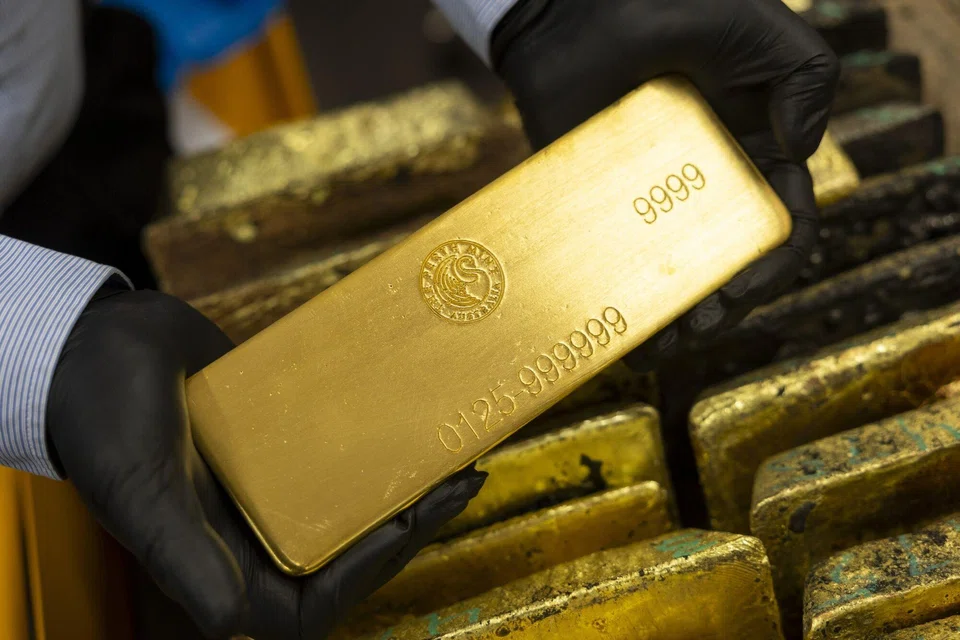
WALL Street has finally capitulated to gold’s record-breaking run.
JPMorgan Chase chief executive officer Jamie Dimon’s reluctant endorsement was the inflexion point.
“This is one of the few times in my life it’s semi-rational to have some in your portfolio,” said Dimon, adding that he was not a buyer, because “it costs 4 per cent to own it”, referring to what he could have earned in money markets instead.
Gold’s relentless rise this year has caught a lot of professionals off guard. According to the latest Bank of America Merrill Lynch money manager survey, a whopping 39 per cent have no holdings, thereby missing out on the bull market.
It is difficult for fund managers to justify a sizeable allocation in their portfolios.
The precious metal does not generate any income or have a clear measure of fair value. Its all-in cost of production is around US$1,500 per ounce, according to Alpine Macro, a research outlet. This benchmark gives us little guidance, however, as to why the precious metal should be trading at US$4,200 an ounce, or even by some estimates hitting US$5,000 next year.
But with gold prices showing no slowdown and the so-called “debasement trade” – a bet that central banks will keep interest rates low and major currencies will lose their value – being the talk of the town, money managers have no choice but to adapt to the new normal. Wall Street’s commodities analysts, for one, have been racing to upgrade their forecasts as the metal hit new highs.
Bank of America Merrill Lynch now sees gold reach US$5,000 per ounce by next year. The rationale is brutally simple – investment demand. If investors increase their purchases by only 14 per cent, gold will hit this price.
The gold bug
Wall Street has to chase, because the world’s most powerful liquidity train has arrived.
The gold bug, which began three years ago as China’s central bank and its thrifty households bulked up their holdings, has spread to the US. Retail investors are now participating in the rally, with passive funds such as SPDR Gold Shares seeing large inflows and trading volumes in recent weeks.
As we have witnessed this year with stocks, America’s mom-and-pop traders are now the market leaders. Whichever asset class they have set their mind to, lofty valuations, by historical standards, can no longer predict future pullbacks. Gold has rallied about 25 per cent since President Donald Trump ordered the removal of Federal Reserve governor Lisa Cook on Aug 26. (The Supreme Court has deferred a decision on the president’s efforts to oust Cook. She is still at the Fed.)
With gold, narratives matter more than anything. If American households start to see that it is an essential hedge against inflation and devaluation of the greenback, then the sky is the limit.
Conveniently for its advocates, the physical gold exchange-traded fund market is tiny relative to Treasury bonds. If only 1 per cent of the privately owned US Treasuries were to flow into gold, its price would rise to nearly US$5,000 an ounce, according to Goldman Sachs Group. This perhaps explains why Dimon said the metal “could easily go to US$5,000, US$10,000 in environments like this”.
Wild card
What China will do is another wild card. The People’s Bank of China has increased its reserve for 11 consecutive months, a major catalyst for this year’s rally. But with the price above US$4,200 an ounce, will officials in Beijing slow down their purchases?
Again, storytelling is filling the void.
One theory is that Beijing now fully appreciates the beauty of commodity dominance, having successfully used rare-earth export controls as leverage in trade negotiations with the Trump administration. As a result, why would the PBOC not keep on buying gold?
Plus, with exports and current account surplus surging, the government has plenty of dollars to invest.
Do not stand in front of a liquidity train. Gold’s meteoric rise may be giving Wall Street vertigo, but its adaptive executives are keen to keep pace with the time – to entertain their clients and get business flowing if nothing else.
But they are also putting their own credibility on the line. After all, the bull case for gold is built upon shifting sands. BLOOMBERG