

Strategic case for precious metals
The potential for differentiated performance is what allows gold and silver to strengthen diversification
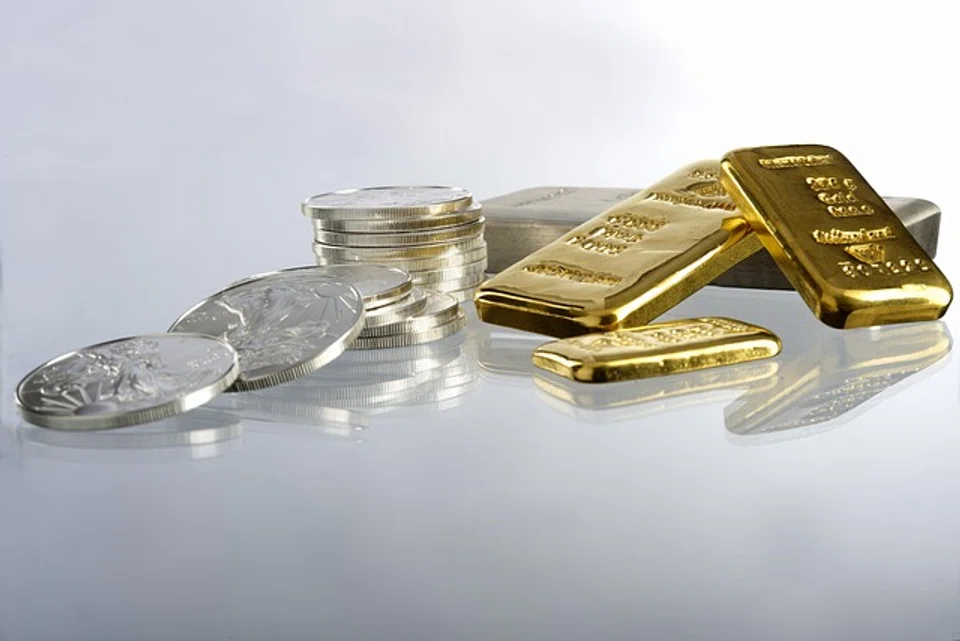
GOLD’S recent price action highlights the distinction between a tactical market view and a strategic portfolio allocation.
In the near term, higher real interest rates and a stronger US dollar weigh on gold, which generates no income and becomes relatively less attractive than yielding assets. Those conditions may shape its price over the coming months.
They do not diminish the longer-term role it can play in a diversified portfolio. That strategic case extends beyond the next central bank decision.
Gold is a scarce, globally recognised store of value that does not depend on the creditworthiness of a company or a government. That makes it especially relevant at times when confidence in financial assets, currencies or government balance sheets is being questioned.
Structural demand from central banks
Reserve diversification has become an important structural source of demand. Central banks have stepped up their gold purchases as they seek to spread foreign exchange reserves more widely and manage geopolitical and financial risk.
Some estimates put central bank buying at an average of about 50 tonnes a month in 2026, against roughly 17 tonnes a month before 2022. On that evidence, gold’s recent strength has not been driven solely by short-term investor positioning.
Concerns about government debt, fiscal sustainability and geopolitical fragmentation have added to gold’s relevance. This does not point to an imminent collapse in the US dollar. It reflects a gradual reluctance among some investors and central banks to concentrate all of their defensive assets in government bonds or a single currency.
That structural demand can provide a degree of long-term support, even when cyclical conditions such as rising real yields or a stronger US dollar create periods of weakness.
A haven, but not a perfect one
Gold can cushion portfolios against certain inflationary, financial and geopolitical risks. It is not a perfect hedge against every adverse event.
Recent disruption to energy supply in the Middle East illustrates the tension. Geopolitical uncertainty supports safe-haven demand, but it also lifts energy prices and inflation expectations, which push markets to price in tighter monetary policy.
The US Federal Reserve raised rates by a quarter point on Sep 16, its first increase since 2023, and its updated projections leave room for another hike before the year is out.
Higher real yields and a stronger US dollar raise the opportunity cost of holding a non-yielding asset, and gold has come under pressure as a result.
Gold’s stronger case is therefore as a longer-term store of value and a potential hedge against more severe monetary, fiscal or geopolitical stress, rather than as a guaranteed short-term offset to every market decline.
Part of its value lies in its potential to perform well in scenarios that are difficult to predict, and against which conventional assets may offer limited protection.
Silver’s dual role
Silver has a different profile. Like gold, it carries monetary and store-of-value characteristics, but it is also an industrial metal used in electronics, solar power and electrification. Its price reflects both investor demand for precious metals and the strength of the global industrial cycle.
That dual role can give silver greater upside in a strong precious metals or industrial cycle, and it also makes silver more economically sensitive than gold.
Silver rose about 145 per cent in 2025, against roughly 63 per cent for gold, but it traded across a considerably wider range.
Silver may complement gold exposure. Investors should not assume that the two metals offer the same defensive characteristics.
Where precious metals fit in a portfolio
The cornerstone of a resilient portfolio is diversification across genuinely different sources of risk and return.
Gold and silver can behave differently from equities and bonds because their prices reflect a different balance of factors, among them real interest rates, currency movements, investor demand, physical supply and geopolitical risk.
That potential for differentiated performance is what allows precious metals to strengthen diversification.
Because gold and silver generate no earnings or income and can be volatile, they should complement productive assets rather than replace them.
For long-term investors, a modest strategic allocation held through periodic rebalancing is usually more defensible than chasing an asset after it has rallied. Most practitioners put that allocation at 5 to 15 per cent.
Gold’s recent performance is a reminder of the value of holding different sources of return before they are needed.
The writer is head of investment advisory (Singapore), Arta Finance






