

India's disaster management is itself a disaster
New Delhi's main approach to disaster management continues to be rooted in crisis management only after the crises have occurred
 Add BT as a preferred source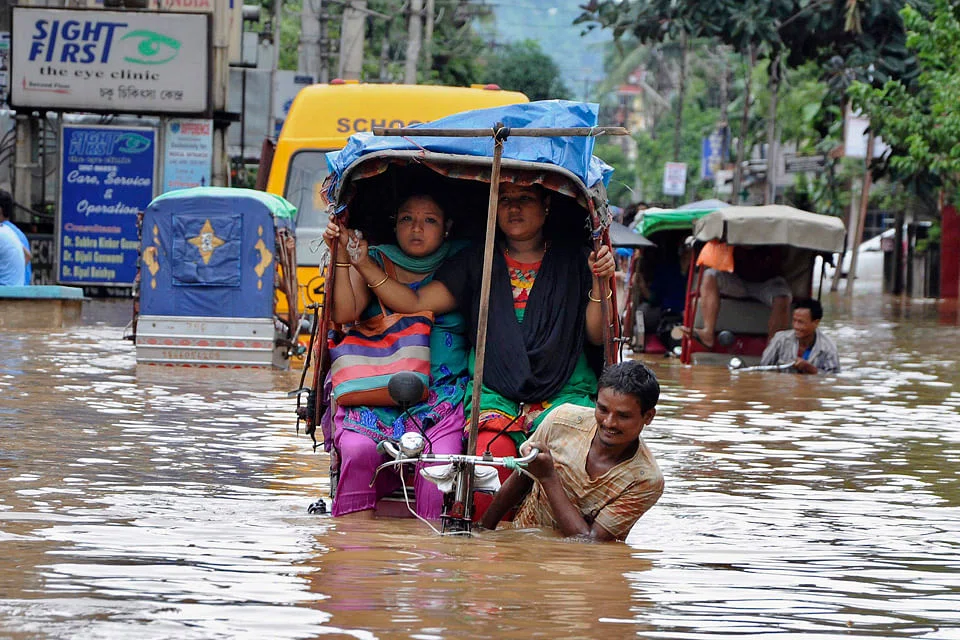
DeeperDive is a beta AI feature. Refer to full articles for the facts.
THROUGHOUT history, India's disaster management has never been stellar. In recent years, it has become worse.
Take flood-related disasters. The September floods in the state of Jammu and Kashmir (J&K) ran up losses of one trillion rupees (S$21.3 billion), said chief secretary Mohammad Iqbal Khandey; of the sum, losses in the housing sector accounted for 300 billion rupees and losses from businesses, a further 700 billion rupees.
He said, as is often normally said after Indian disasters, that the main reason for the heavy damage was that such a flood had not occurred before; the reason the people suffered so much was that "this was no ordinary event." Given this, how could the bureaucracy anticipate such a calamity - let alone plan for it?
Copyright SPH Media. All rights reserved.
TRENDING NOW

Shelving S$5 billion office redevelopment plan proved ‘wise’ as geopolitical risks mount: OCBC chairman

Eurokars Group introduces rental car franchises Enterprise Rent-A-Car, National Car Rental, and Alamo to Singapore

20 photos that show how dramatically Singapore has changed in two decades

Singapore’s key exports up 15.3% in March from electronics surge, exceeding forecasts

