

The road to a less car-dependent society
 Add BT as a preferred source
DeeperDive is a beta AI feature. Refer to full articles for the facts.
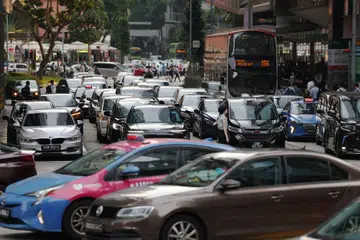
WHAT does a day with reduced car dependency mean for a city? While it might appear impossible at the moment, there are early signs pointing to leading cities having a "car-lite" future. Today we are seeing commuters walking or cycling more, and electric bicycles and kick scooters becoming common modes of personal transportation.
Technology also means we can now plan our travel, share trips and achieve much higher levels of efficiency and service without the need for more cars. The car-lite movement is seeking to shift city-state transportation towards a more integrated, greener, co-sharing model with citizen-focused mobility solutions.
Implementing policies that reduce car dependency and increase car-free areas is becoming more common. This is evident especially in Europe where major cities such as Madrid, Hamburg, Copenhagen and Brussels have all banned cars from some inner city areas, and are building more bicycle lanes to connect the city with the suburbs. While Singapore is a leader in urban transportation mobility, it still devotes a significant amount of resources to building roads. As of 2013, roads account for 12 per cent of Singapore's land area, only a little under housing, which takes up 14 per cent, according to official data.
Share with us your feedback on BT's products and services
TRENDING NOW
Autobahn Rent A Car directors declared bankrupt over S$50 million each owed to DBS

Amazon’s MGM Studios gains creative control over ‘James Bond’ franchise

UOB’s Wee Ee Cheong says S$4.9 billion Citi deal ‘paying off’ as Asean push accelerates
In taxing wealth, how far can Singapore push property owners?

