



After keeping rates intact, Fed’s Warsh shifts focus back to lowering inflation
The odds of a hike in September are now 50-50, according to some analysts
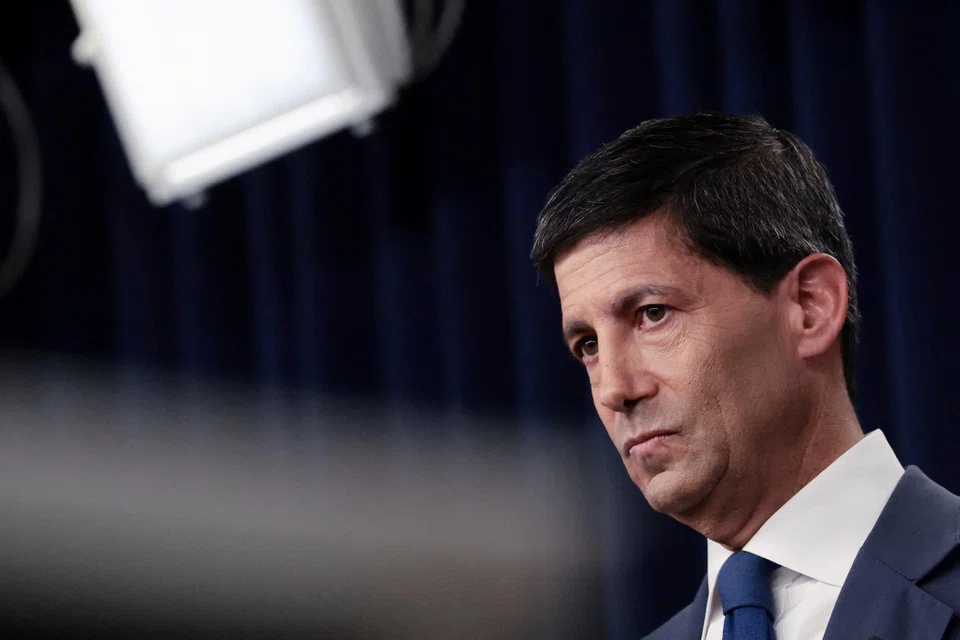
US FEDERAL Reserve chairman Kevin Warsh on Wednesday (Jul 29) vowed to remove the central bank from the centre of market attention, but he still ended up pushing stocks and bonds down anyway.
In his second Federal Open Market Committee meeting since taking over the top job in May, the Fed kept rates at their current levels of between 3.5 and 3.75 per cent.
Initial bounce
Stocks initially bounced because of how close the Fed’s call was considered to be.
Strategists at major market maker Citadel Securities were among those who had predicted that Warsh would pull the trigger and hike rates.
After all, at the end of his first meeting in June, Warsh had noted inflation concerns and that the picture had worsened due to the recent escalation in the ongoing Iran war.
Arun Sundaram, strategist at research firm CFRA, said in a note to clients: “It has been years since investors entered a Fed decision with this much uncertainty.”
Warsh’s messaging during the post-meeting press conference did not inspire much confidence.
Rather than explaining his decision not to hike, he insisted that the Fed’s first priority remained getting inflation back to its 2 per cent level.
Sundaram noted: “The steepening of the yield curve – with two-year yields down while 30-year yields touched their highest levels since 2007 – is likely a signal that investors doubt the Fed’s credibility in returning inflation to its 2 per cent target.”
Fed funds futures markets still reflect expectations of a rate hike later this year, but the odds of a September hike have now dropped to what is effectively a coin toss.
Bond markets’ doubts spilled over into the stock market on Wednesday after the Fed’s announcement.
Blue-chip gauge, the Dow Jones Industrial Average, had its biggest percentage and point sell-off in more than a year.
Tough love
Warsh said the recent spike in long-term Treasury yields was, in part, a healthy side effect of his new regime.
He added that the Fed had coddled markets for too long with constant guidance, which allowed bond markets to peg yields to policy plans.
This kind of constant reassurance was useful during the Covid-19 pandemic crisis, Warsh argued, but should not be necessary in more “benign” economic times.
His tough-love approach has been tried by previous US central bankers, however.
Janet Yellen, who was Fed chair from 2014 to 2018, was forced to reverse course when her attempts to remove stimulus caused market tantrums.
And, notoriously, the Fed faced “bond-market vigilantes” back in the 1970s and 1980s when markets forced the central bank to focus on inflation by driving up Treasury yields.
If the rise in Treasury yields on Wednesday was anything to go by, the bond vigilantes may be back.
Eventually, Warsh may “have his vision face realities”, said Oliver Pursche, senior vice-president at financial advisory Wealthspire.
One brokerage noted that Warsh’s approach might well be justified, but could still cause significant market upheaval.
Strategists at Standard Chartered said: “We continue to expect the Fed to remain on hold, but we have concerns that markets may react badly down the road to a perception that it is not moving when it should.”
Decoding Asia newsletter: your guide to navigating Asia in a new global order. Sign up here to get Decoding Asia newsletter. Delivered to your inbox. Free.
Share with us your feedback on BT's products and services
TRENDING NOW

Once staunchly pro-China, Malaysian Chinese businesses are now distancing themselves from Beijing

Looking beyond looming CEO succession, should UOB potentially pursue a transformative merger?

Could stablecoins be the future of money?

Grab CEO’s wife Chloe Tong on life with Anthony Tan and finding her purpose

