BOJ chief plays down soft consumption data, signals near-term rate hike
Analysts expect the central bank to raise interest rates in December and follow up with another hike by end-March
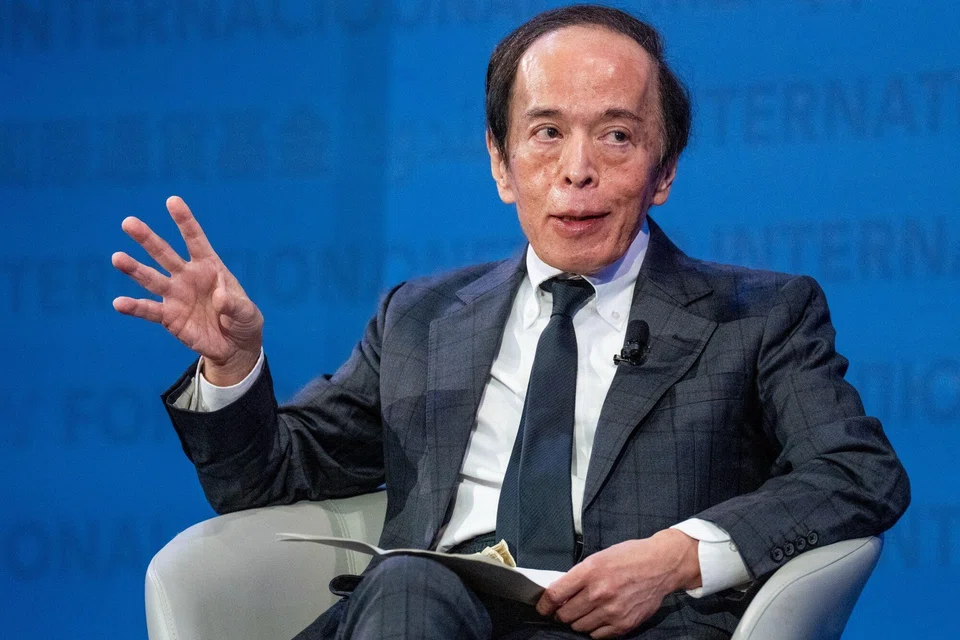
[TOKYO] Bank of Japan (BOJ) governor Kazuo Ueda said the central bank will keep raising interest rates and projected consumer spending will recover from a soft patch, bolstering the case for another hike in borrowing costs as soon as next month.
Ueda also signalled that the BOJ is being vigilant about the inflationary impact of the weak yen, saying the currency’s slide may cause an inflation overshoot by boosting prices for a wide range of goods.
“We are mindful of the risk that rising crude oil prices and yen declines, if they persist, could hurt households’ real income and weigh on consumption more than expected,” Ueda told parliament on Thursday (Nov 19).
The yen’s weakness has been a headache for Japanese policymakers as it boosts the cost of raw material imports, pushing up prices of food and daily necessities.
It has dropped 1.8 per cent for the year to date to trade near 160 per dollar — a level seen as heightening the chance of currency intervention — with the dollar bought on growing prospects the US Federal Reserve will raise rates next month.
A majority of analysts polled by Reuters expect the BOJ to also raise interest rates in December and follow up with another by end-March.

Firms more active in passing on costs
Some analysts have focused on whether a drop in private consumption seen in third-quarter gross domestic product (GDP) data could affect the pace and timing of future rate hikes.
Ueda said consumer spending was resilient as a whole, with the drop seen in third-quarter GDP data resulting from the rising cost of living and bad weather.



“Nominal wages will rise steadily, while the pace of inflation is likely to gradually slow,” Ueda said, adding that rising household income would underpin consumption.
“We expect consumption to resume a moderate uptrend” after a temporary slowdown, he added.
On monetary policy, Ueda reiterated the central bank’s resolve to keep raising interest rates, saying financial conditions remain loose despite past hikes.
“Real interest rates in the shorter zone, which have the biggest impact on economic activity, remain low despite past rate hikes and continue to underpin growth,” Ueda said.
He also said the weak yen could have a bigger impact on inflation than in the past as firms have become more active in passing on rising costs through price hikes.
“It’s important to anchor underlying inflation around our 2 per cent target to avoid risk of an inflation overshoot from materialising and hurting the economy,” he said.
With stubbornly high energy costs and rising import prices from a weak yen adding to inflationary pressures, the BOJ raised its policy rate to 1.25 per cent in September after delivering a hike in June — a shorter interval than the roughly twice-a-year hikes in 2024 and 2025.
The central bank kept rates steady last month, declaring victory in its 14-year battle to hit its price target. BLOOMBERG
Decoding Asia newsletter: your guide to navigating Asia in a new global order. Sign up here to get Decoding Asia newsletter. Delivered to your inbox. Free.
Share with us your feedback on BT's products and services