Asian stocks rise after US tech gains, yen steady
Stocks advance in Japan and Taiwan, lifting the MSCI Asia-Pacific Index 0.3%
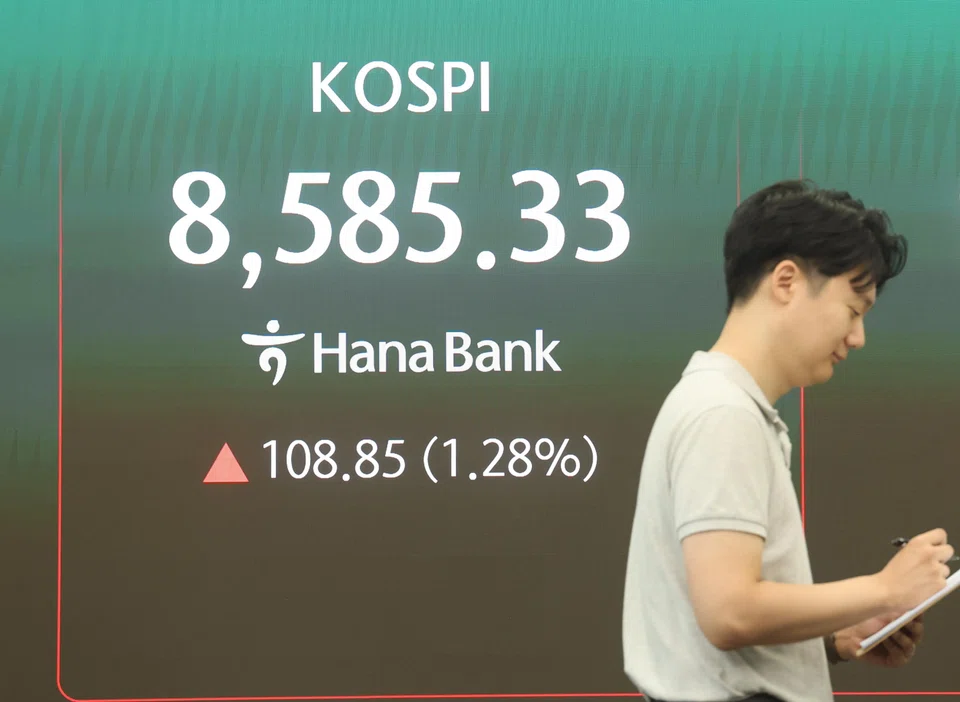
ASIAN equities rose on Wednesday (Jul 1) after capping their best quarter in 17 years, as a rally in chipmakers and signs of US economic resilience fuelled optimism about corporate earnings.
Stocks advanced in Japan and Taiwan, lifting the MSCI Asia-Pacific Index 0.3 per cent. The gains came after a tech-fuelled rally lifted US stocks and a gauge of semiconductors. Markets in Hong Kong are closed for a public holiday.
Brent edged 0.5 per cent higher to around US$73.30 a barrel in early Asian trading, recouping some of the losses from Tuesday that were driven by expectations the US-Iran ceasefire would hold.
Investors have looked past geopolitical tensions as fresh data reinforced the view that the US economy remains resilient. Steady US consumer spending and a still-solid labour market have helped ease concerns that higher energy prices and trade uncertainty would derail growth, bolstering confidence that companies can continue delivering strong earnings.
“The markets have proven to be the ultimate grinder as they keep crushing it, despite a lot of hand-wringing that has gone along with this incredible rally that has endured deep sell-offs, the Iran war and a number of other outside influences,” said JJ Kinahan at Cboe Global Markets.
Tuesday’s economic reports showed US job openings were little changed in May, signalling labour demand remained steady, while consumer confidence edged higher in June as lower petrol prices helped offset concerns about the job market.
Federal Reserve policymakers voted unanimously to leave interest rates steady at last month’s meeting, the first led by chairman Kevin Warsh.
Steady employment data and elevated inflation readings have raised expectations that the Fed may need to raise rates later this year to tame price pressures. Officials will hold their next policy meeting at the end of July.
Elsewhere, gold traded just under US$4,000 an ounce. A Bloomberg gauge of the US dollar edged up for a second day, while Treasuries inched up. The yield on the benchmark 10-year fell one basis point to 4.46 per cent.



The yen traded around 162.65 per US dollar after falling to a 40-year low earlier this week.
The currency’s slide to a four-decade low against the US dollar left traders eyeing Japan’s next intervention threshold. After the currency broke through the 162 per US dollar level on Tuesday, strategists increasingly pointed to 163 and beyond, arguing the Finance Ministry may tolerate a weaker yen than it did in 2024.
Meanwhile, US negotiators Jared Kushner and Steve Witkoff had positive discussions with regional leaders in Qatar and technical talks with Iran are moving ahead, according to a senior administration official.
An interim agreement signed earlier this month opened the door to a 60-day negotiating period, but those efforts faced a setback in recent days after a series of clashes over the Strait of Hormuz.
“While occasional reports of renewed friction have prompted brief moves in energy markets, investors continue to price in a relatively orderly reopening of the Strait of Hormuz and a gradual normalisation of global oil flows,” said Daniela Hathorn, senior market analyst at Capital.com. BLOOMBERG
Decoding Asia newsletter: your guide to navigating Asia in a new global order. Sign up here to get Decoding Asia newsletter. Delivered to your inbox. Free.
Share with us your feedback on BT's products and services