

China slashes June oil refining volumes to six-year low as crude imports collapse
Processing volumes fall 18% year on year to 51.24 million tonnes – the lowest since March 2020
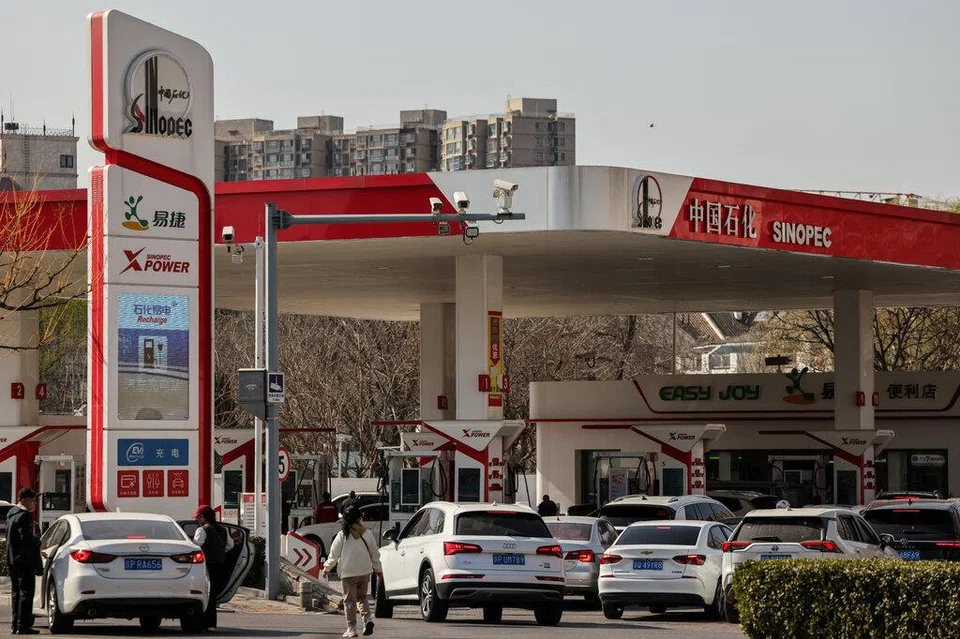
CHINESE oil refiners slashed output in June to the weakest level in six years, as the industry responded to worsening demand and disruptions to crude shipments from the Persian Gulf.
Processing volumes extended their decline in June, dropping 18 per cent year on year to 51.24 million tonnes, the lowest since March 2020 and the first throes of the pandemic, according to the statistics bureau on Wednesday (Jul 15).
It follows a collapse in Chinese crude imports in June to near a decade low.
A slowing economy and the electrification of the transport sector have upended fuel demand and crushed margins, with independent refiners the worst hit given their reliance on cheaper Iranian crude.
The sector, which accounts for as much as a third of Chinese capacity, saw operating rates plunge to a nine-year low, according to consultant JLC.
China’s total refining runs are expected to fall further in July as more firms shelve units for maintenance in order to limit losses, according to GL Consulting, which expects throughput over 2026 to drop 5.6 per cent.
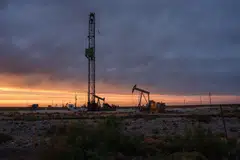
Weaker demand from China, which typically relies on the Middle East for half its crude purchases, has so far helped buffer the global supply shock from the Iran war.
But renewed hostilities in July cloud the outlook for both a recovery in Chinese consumption and the world’s depleted oil reserves. BLOOMBERG
Decoding Asia newsletter: your guide to navigating Asia in a new global order. Sign up here to get Decoding Asia newsletter. Delivered to your inbox. Free.
Share with us your feedback on BT's products and services
TRENDING NOW

S$8 billion wiped off OCBC value as shares slide 5.8% in heavy trade

Grab CEO’s wife Chloe Tong on life with Anthony Tan and finding her purpose
Brookfield denies accusation it cut Soilbuild out of Mapletree deal
8 public officers referred to police over property buys near unannounced MRT stations: Chan Chun Sing

