

Malaysia palm reserves jump most in five months after sharp drop in exports
The fall is from buyers flocking to discounted Indonesian cargoes after Jakarta’s overhaul of key commodity exports
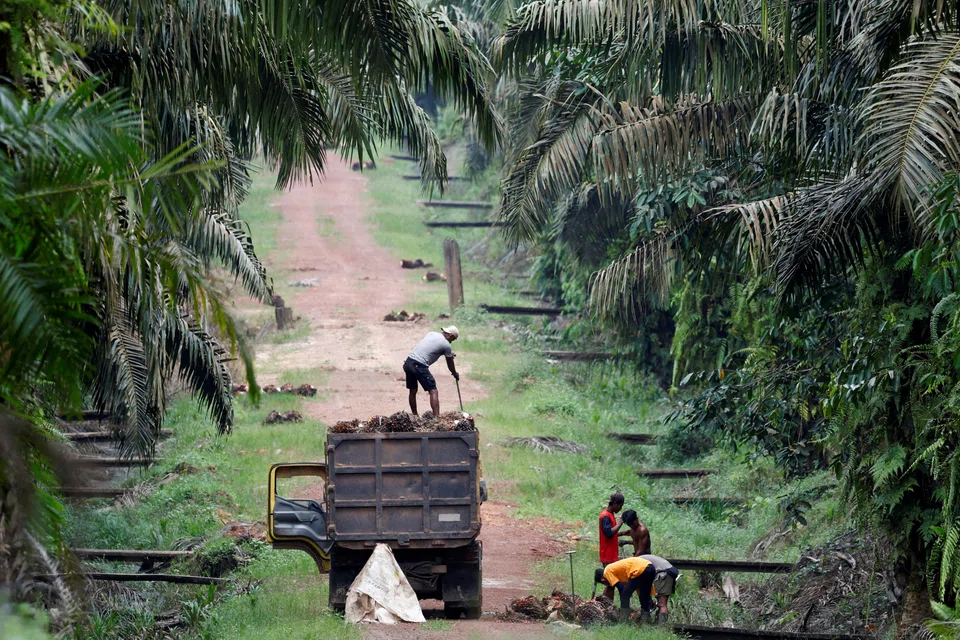
[KUALA LUMPUR] Palm oil stockpiles in Malaysia climbed at the fastest pace in five months, as a sharp drop in exports overshadowed weaker production in the world’s second-largest grower.
Inventories in May climbed 5.2 per cent from a month earlier to 2.4 million tonnes, going by data released by the Malaysian Palm Oil Board (MPOB) on Wednesday (Jun 10).
The gain was more than double the 2.2 per cent rise forecast in a Bloomberg survey.
The build-up reflects a sharp slowdown in overseas shipments, as buyers flocked to discounted Indonesian cargoes following Jakarta’s overhaul of its key commodity exports.
Malaysian exports fell about 14 per cent to a one-year low of 1.1 million tonnes, compared with estimates for a 6.2 per cent drop.
While initial expectations were that the new Indonesian regime – announced late last month – would divert demand to Malaysia, that has yet to materialise.
Instead, buyers in key markets including India and China have been scooping up more attractively priced Indonesian supplies.
Competition between the two neighbouring countries may intensify in the coming months as Indonesia tightens export controls.
The top producer, which supplies more than half the world’s palm oil, began a transition phase this month and is still ironing out key operational details, with a review due in three months.
SEE ALSO



Companies can continue conducting transactions for now, which has created an incentive for refiners and exporters to push out supplies before tighter controls are enforced.
Anilkumar Bagani, head of research at Mumbai-based Sunvin Group, said: “Indonesian palm oil exporters are willing to ship as much palm oil as they can before the new export monitoring system starts operating at full scale.”
Malaysia is facing intense competition from Indonesia, which is selling cheaper-priced processed palm products, he said.
This could further push up stockpiles.
Palm oil buyers may also be looking to boost inventories in the next two months ahead of anticipated supply tightness from Indonesia’s B50 biodiesel mandate and El Nino weather, which could hurt Asian oilseed production, said Bagani.
Malaysia’s crude palm oil production, meanwhile, fell 7 per cent to 1.52 million tonnes, said MPOB, compared with estimates for a 4.9 per cent decline.
Imports slumped 42 per cent to 43,816 tonnes, the data showed.
Investors are also watching Malaysian cargo surveyor data for the first 10 days of June, due to be released later on Wednesday, for clues on the ways buyers are reacting to Indonesia’s new rules.
AmSpec Agri reported a small increase in exports of 4.9 per cent for the period. BLOOMBERG
Decoding Asia newsletter: your guide to navigating Asia in a new global order. Sign up here to get Decoding Asia newsletter. Delivered to your inbox. Free.
Share with us your feedback on BT's products and services
TRENDING NOW

DBS, OCBC, UOB rout lops billions off STI as inflation, rate concerns spook investors

Grab CEO’s wife Chloe Tong on life with Anthony Tan and finding her purpose

OCBC sheds S$8 billion in value as shares close nearly 6% down; analysts cautious on banks

Deal between tycoon friends sparks scrutiny of Philippine power sector

