

Malaysian palm oil exports to face pressure from Indonesia’s commodity export overhaul
Indonesian palm oil is currently more attractively priced than Malaysian supplies
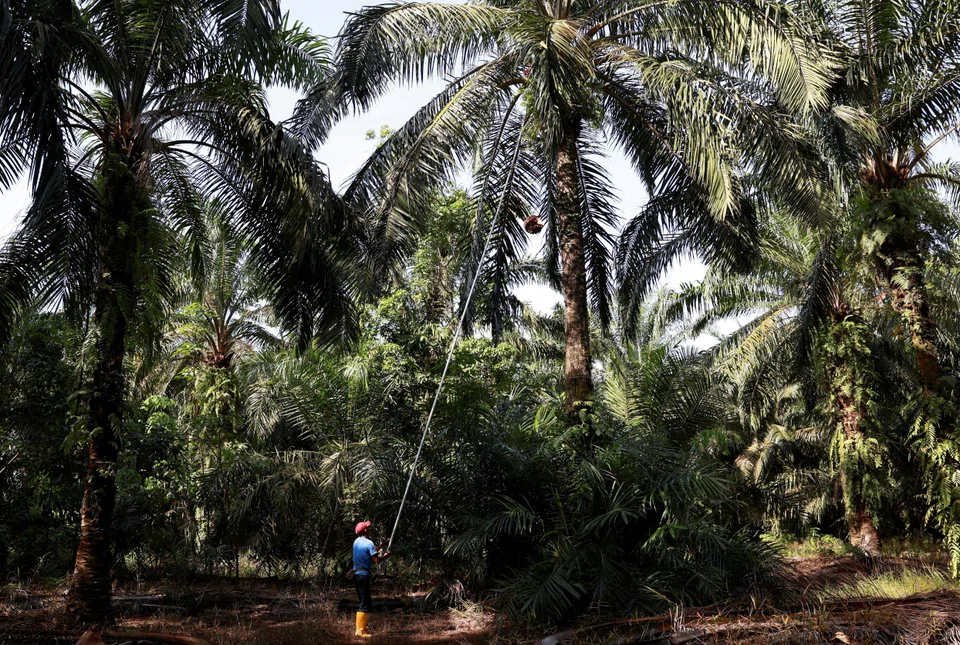
[KUALA LUMPUR] Malaysian palm oil exports could tumble for a third straight month in June if buyers favour cheaper Indonesian supplies as Jakarta’s overhaul of commodity shipments sparks a push to move cargoes before the new rules fully take hold.
An Indonesian plan to take control of exports began on Jun 1, with producers expected to start submitting sales figures via newly formed state-owned firm PT Danantara Sumberdaya Indonesia.
The system is still in a transition phase, and companies are allowed to keep handling transactions until Danantara takes over specific export activities as early as September, or by Jan 1, 2027, at the latest, senior officials said in the week ended May 31.
There were initial expectations the new Indonesian rules would divert demand to Malaysia, but that has not happened so far because key importers, especially those in India, had already made ample purchases in the first quarter, according to Paramalingam Supramaniam, a director at Selangor-based brokerage Pelindung Bestari.
“If Indonesia starts pushing out more exports until the new policy is fully implemented, that would intensify competition with Malaysia and weigh on its shipments,” he said.
A shift to purchases from Indonesian could put pressure on Malaysian palm oil futures, which have been hit by sluggish exports and softer energy prices that have reduced the tropical oil’s appeal for biofuel.
Indonesian palm oil is currently more attractively priced than Malaysian supplies, giving the country room to capture market share, according to traders.
Malaysian exports fell 6.2 per cent in May from a month earlier to 1.22 million tonnes, according to the median of 11 estimates in a Bloomberg survey of plantation executives, traders and analysts. That is the weakest level since February, and follows a 14 per cent drop in April.
Inventories rose 2.2 per cent to 2.36 million tonnes, according to the poll, while crude palm oil production fell 4.9 per cent to 1.55 million tonnes.



The Malaysian Palm Oil Board is scheduled to publish official figures on Jun 10.
Not everyone is convinced that exports will remain weak.
“For June, exports will recover mainly due to easing prices in May prompting major importers to restock after two previous months of a slowdown in buying,” said Sathia Varqa, a senior analyst with Fastmarkets Palm Oil Analytics in Singapore. “Uncertainty over the Indonesian export policy could also propel increased purchases from Malaysia.”
Benchmark palm oil futures fell as much as 1.1 per cent on Thursday (Jun 4) to RM4,625 a tonne. BLOOMBERG
Decoding Asia newsletter: your guide to navigating Asia in a new global order. Sign up here to get Decoding Asia newsletter. Delivered to your inbox. Free.
Share with us your feedback on BT's products and services
TRENDING NOW

Grab CEO’s wife Chloe Tong on life with Anthony Tan and finding her purpose

Hwa Seng Builder, two China companies win S$1.2 billion Tuas Road Viaduct phase two contracts

Deal between tycoon friends sparks scrutiny of Philippine power sector

Canada is upping oil flows to Asia, but South-east Asia’s refineries aren’t ready to handle them yet

