



Indonesia’s commodity export shake-up sparks industry alarm, investor jitters
Insiders warn that the move could upend trade flows and add to regulatory uncertainty

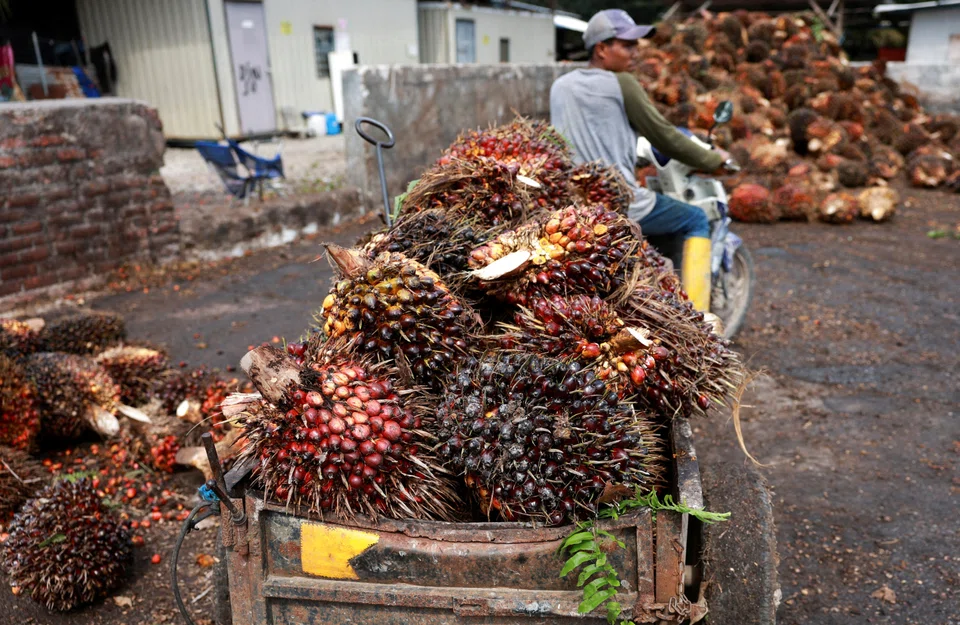
[JAKARTA] Indonesia’s plan to centralise exports of key commodities has jolted its palm oil and mining industries, stirring alarm in one of the world’s largest commodity powerhouses.
This comes as industry players warn that the move could upend long-established trade flows and add to mounting regulatory uncertainty.
On Friday (May 22), the Indonesia Stock Exchange (IDX) opened nearly 2 per cent lower before paring losses by the close of the first trading session. Shares of Indonesian commodity heavyweights fell in the trading sessions following the announcement and earlier market speculation over the policy.
Salim Ivomas, the palm oil producer owned by the Salim family conglomerate, declined nearly 2 per cent, extending its losses to about 16 per cent over the past week. Coal miner Bayan Resources fell nearly 5.5 per cent, bringing its weekly dip to more than 10 per cent.
Industry groups warned that the lack of operational clarity in the sweeping state-led shake-up of Indonesia’s exports of coal, palm oil and ferro alloys is already showing up on trading activity on the ground.
Mansuetus Darto, chairman of the Indonesian Palm Oil Farmers Organisation Association, said that traders, refiners, exporters and market participants have begun holding back transactions while waiting for greater clarity from the government.
“This uncertainty has created market panic, speculation and a decline in trading activity,” he said.
In a nearly two-hour speech before plenary meeting on Wednesday, Indonesian President Prabowo Subianto unveiled plans to route exports of coal, crude palm oil and ferro alloys through a state-owned enterprise under sovereign wealth fund Danantara, with the policy set to be rolled out in phases from June, before full implementation on Sep 1.
Mansuetus said that uncertainty following the policy announcement had already disrupted supply chains for smallholders, with middlemen and transporters halting collections from farmers.

“Who would have thought that a two-hour speech would cause transporters to stop sending trucks to collect palm fruits from farmers?”
His association represents hundreds of thousands of independent palm oil farmers in 22 provinces across Indonesia.
The impact was felt almost immediately in the palm oil market. Association data showed crude palm oil tender prices falling sharply from around 15,300 rupiah per kilogram on Monday to 12,150 rupiah per kilogram by Thursday.
The drop soon hit farmers, with fresh fruit bunch prices declining in Sumatra and Kalimantan, the country’s major palm oil producing regions.
Mansuetus warned that independent palm oil mills could be among the hardest hit if large companies choose to source raw materials only from affiliated suppliers to reduce risk during the transition period.
Investors also appeared unsettled by the government’s plan to overhaul the industry given that it plays a major role in the global supply chain.
The plan comes at a time when Indonesia is facing heightened scrutiny from global investors amid ongoing market reform efforts and a string of unpredictable policy moves under Prabowo’s administration.
Eyes on Danantara
There are also concerns over the readiness of Danantara Sumberdaya Indonesia (DSI), the entity tasked with managing the new export regime.
Legal documents reviewed by The Business Times showed that DSI was established on Monday and received formal approval from the Law and Human Rights Ministry on Tuesday, one day before Prabowo unveiled the policy.
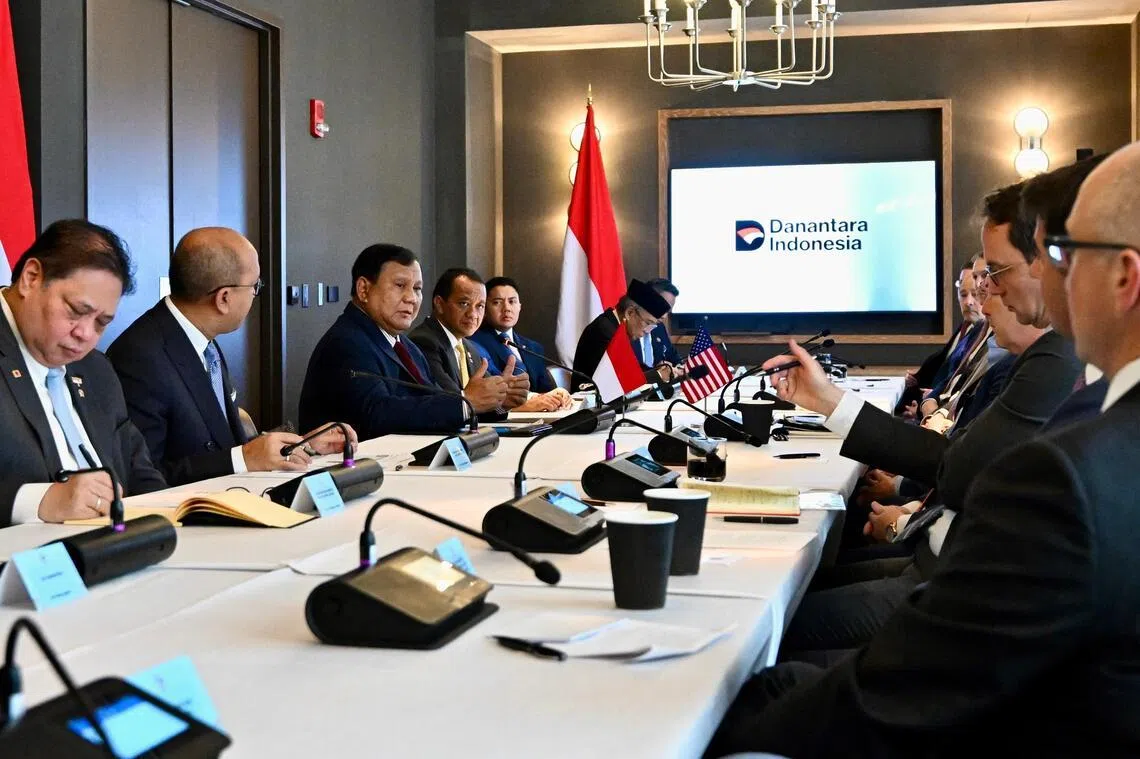
Rohan Hafas, managing director for stakeholder management and communications at Danantara, said that DSI will operate as a state-owned enterprise under Danantara, with 1 per cent of its shares to be owned by the Ministry of State-Owned Enterprises.
Hafas said DSI’s role would be implemented in two phases, with the first stage running from Jun 1 to Dec 31.
During the initial six-month period, the company will serve primarily as an assessor and intermediary between buyers and sellers of selected export commodities, focusing on whether transactions reflect prevailing market prices.
The abrupt roll-out of the export agency has left exporters questioning how the state-owned entity will manage payments, contracts and delivery obligations in international commodity trade, especially under arrangements such as Free on Board and Cost, Insurance and Freight.
“It remains unclear whether payments will be made upfront, after shipment, or only after international transactions are completed,” said a Sumatra-based palm oil trader, adding: “Can the state-company really afford to make full upfront payments amid difficult global economic conditions and a strong US dollar?”
Ardhi Ishak, head of industrial relations at the Association of Indonesian Mining Professionals, said many coal producers currently maintain established customer bases and long-term contracts linked to financing arrangements.
He said the scale of Indonesia’s coal exports – estimated at 300 million to 400 million tonnes annually and worth more than US$18 billion – would test the new entity’s ability to manage the trade.
Hary Kristiono, president director of Ucoal Sumberdaya, warned of potential complications over contract restructuring, trade financing and export logistics.
He said that miners could face legal disputes if existing export contracts are disrupted, adding that monopoly concerns could even trigger challenges at the World Trade Organization if producers invoke force majeure clauses.
Another regulatory curveball for miners
The uncertainty comes at a difficult time for Indonesia’s mining sector, which is already facing concerns over higher royalties, tighter tax rules and growing state intervention in strategic industries.
Gita Mahyarani, executive director of the Indonesian Coal Mining Association, said the policy could fundamentally alter Indonesia’s commodity trading system.
Analysts at CreditSights described the export centralisation policy as a “credit negative” for the broader Indonesian mining sector.
CreditSights analysts Jonathan Tan and Lakshmanan R said that the policy could reduce export flexibility, create counterparty concentration risks around the state-owned intermediary and potentially slow receivables collection.
“Mining regulatory uncertainties will remain a pressing concern for the sector,” they added. They also warned of execution risks surrounding Danantara, which is already overseeing an ambitious pipeline of strategic projects.
Concerns over state control
The Indonesian government said that the policy is intended to reduce under-invoicing, curb capital flight and give the state greater oversight of export proceeds from the country’s vast commodity sector.
In his speech, Prabowo claimed the country had lost around US$900 billion over the past three decades due to under-invoicing.
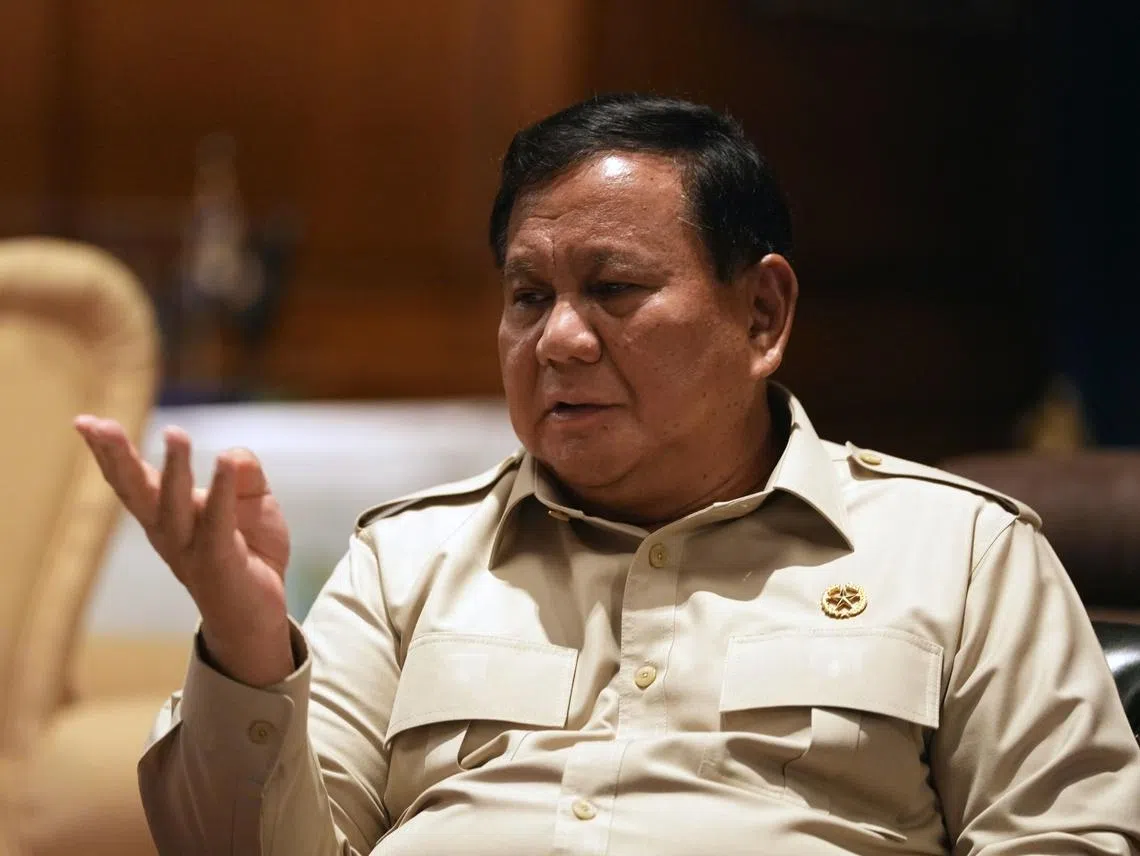
Analysts say that Indonesia’s new export regime signals a broader push by Prabowo’s administration to reclaim greater control over the country’s vast natural resource wealth, though concerns remain over rising state intervention and regulatory unpredictability.
Ricky Ho, chief investment officer of Four Capital, said the government’s rationale is understandable, given Indonesia’s longstanding struggle to fully capture the economic value generated by its natural resources.
He said that under the proposed framework, exporters could increasingly be required to recognise more profits domestically instead of booking earnings through overseas trading entities, potentially boosting reported earnings of commodity companies listed on the IDX.
“If implemented seriously, reported earnings for certain IDX-listed commodity companies could indeed rise materially, because profits previously sitting outside domestic reporting structures would partially flow back into local financial statements,” Ho said.
But he cautioned that markets are likely to worry about regulatory overreach and rising state intervention.
“The balancing act becomes extremely delicate,” he added. “There is a major difference between improving governance and tax transparency versus creating a perception that Indonesia is drifting toward a far more interventionist resource-nationalist economic model.”
Decoding Asia newsletter: your guide to navigating Asia in a new global order. Sign up here to get Decoding Asia newsletter. Delivered to your inbox. Free.
Copyright SPH Media. All rights reserved.
TRENDING NOW

DBS, OCBC, UOB rout lops billions off STI as inflation, rate concerns spook investors

Grab CEO’s wife Chloe Tong on life with Anthony Tan and finding her purpose

OCBC sheds S$8 billion in value as shares close nearly 6% down; analysts cautious on banks

Deal between tycoon friends sparks scrutiny of Philippine power sector

