

Oil dips after two-day gain as traders weigh Middle East outlook
Brent falls towards US$88 a barrel as West Texas Intermediate dips to trade near US$83
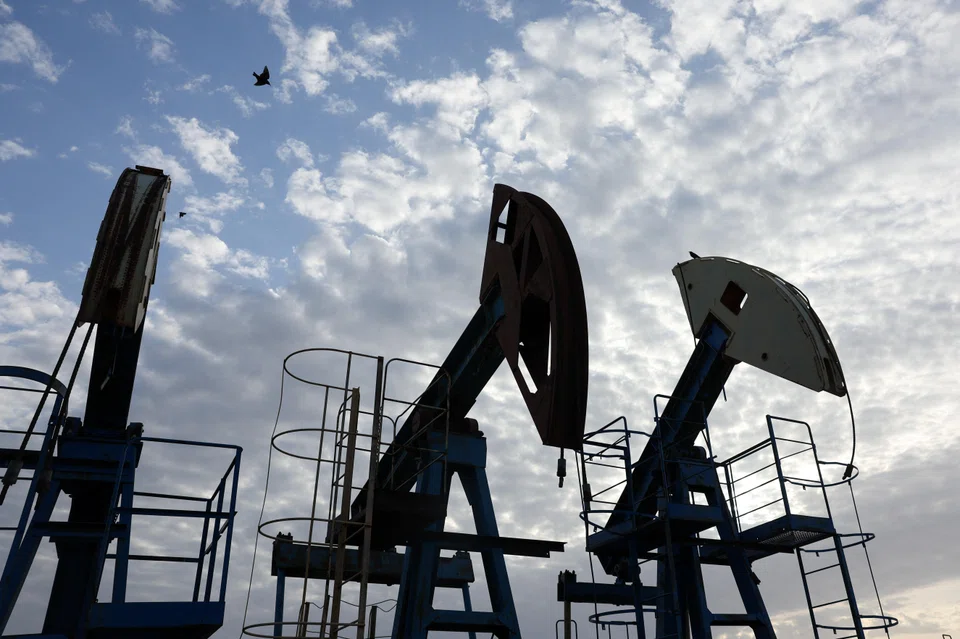
BRENT oil slipped on Tuesday (Jul 21) after surging almost 6 per cent over the previous two sessions, as traders weighed continued hostilities between the US and Iran against efforts to broker a new ceasefire.
The global benchmark fell towards US$88 a barrel, while West Texas Intermediate dipped to trade near US$83.
The US conducted a 10th straight day of strikes after US President Donald Trump vowed Teheran “will pay” for killing American soldiers. Iran responded with missile and drone attacks on Kuwait.
Still, diplomatic efforts have continued. Iran said mediators were in touch with proposals to ease hostilities after more than a week of worsening clashes, while Reuters reported a suggestion for a 10-day halt of strikes.
Oil prices have repeatedly swung on the prospects for escalation and détente in the conflict, and a threat by Yemen’s Houthi militants to blockade Saudi Arabia’s maritime traffic in the Red Sea adds another level of risk.
The Red Sea route allows the kingdom to export millions of barrels of crude via a cross-country pipeline that bypasses the Strait of Hormuz.
“If there’s a disruption in the infrastructure, particularly the shipping lanes, then that could cause a spike in oil prices,” said Rob Thummel, senior portfolio manager for Tortoise Capital, referring to the Houthi threat.
“Inventories have drawn down a bit, so there’s just not a lot of margin for error.”
Saudi Arabia has ramped up exports from Yanbu, its key Red Sea export hub, and roughly 2.5 million barrels a day are at risk from Houthi attacks, said Jorge Leon, senior vice-president and head of geopolitical analysis at Rystad Energy, in a note.

The Saudi Foreign Ministry said it would take all necessary measures to protect its ships in accordance with international law.
Visible traffic through Hormuz came to a near standstill on Monday following Iranian attacks on vessels over the weekend.
An oil supertanker called the Acheloos and a smaller fuel tanker were both struck in the waterway, according to Dynacom Tankers Management, the ships’ manager.
Early on Tuesday, the UK Maritime Trade Operations said that a tanker had been struck by an unknown projectile in the strait northeast of Oman’s Limah, citing multiple reports, without identifying the vessel.
It is unclear if the attack is separate to those on the Dynacom tankers.
The flare-up in violence around the waterway has prompted some shipowners to offer huge bonuses to get crews to sail through Hormuz.
Sinokor Group, the world’s largest owner of supertankers, has offered six months extra salary if seafarers make a return voyage. BLOOMBERG
Decoding Asia newsletter: your guide to navigating Asia in a new global order. Sign up here to get Decoding Asia newsletter. Delivered to your inbox. Free.
Share with us your feedback on BT's products and services
TRENDING NOW

LTA proposes combining car COE categories, adding rebate-surcharge system

StarHub to acquire MyRepublic’s mobile business amid ongoing telco consolidation

DBS, OCBC, UOB rout lops billions off STI as inflation, rate concerns spook investors

Grab CEO’s wife Chloe Tong on life with Anthony Tan and finding her purpose

