Oil prices slip on teetering Iran ceasefire as Trump heads to China
Elevated interest rates make borrowings more expensive, potentially denting demand for oil
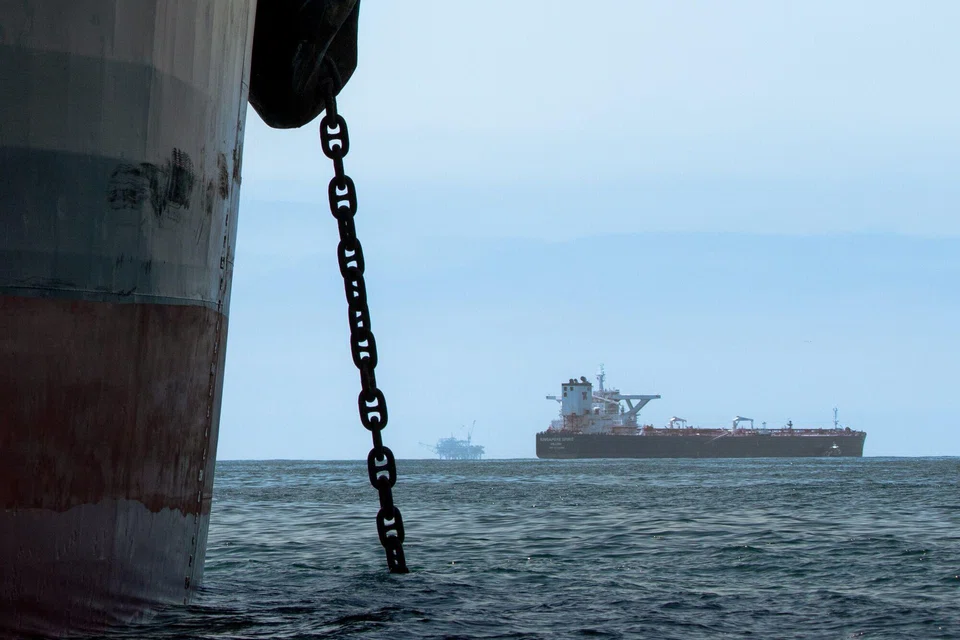
[SINGAPORE] Oil prices fell on Wednesday (May 13), snapping a three-day rally as investors awaited developments around the fragile Middle East ceasefire and braced for a high-stakes summit in China between US President Donald Trump and President Xi Jinping.
Brent crude futures dropped US$1.22, or 1.1 per cent, to US$106.55 a barrel at 12.10 am in Singapore. US West Texas Intermediate (WTI) futures fell US$1.16, or 1.1 per cent, to US$101.02.
Both benchmarks have largely hovered around or above the US$100 per barrel mark since the US and Israel began attacks on Iran at the end of February and Teheran effectively shut the Strait of Hormuz.
“Concerns over supply disruptions and uncertainty surrounding the Middle East are keeping oil prices well supported, even as traders struggle to establish a clear direction,” said Priyanka Sachdeva, senior market analyst at Phillip Nova.
“The market remains highly reactive to every update from the region, meaning sharp swings are likely to persist. Any further escalation or direct threat to supply flows could quickly revive strong upside momentum in both Brent and WTI,” added Sachdeva.
Oil prices rose by over 3 per cent on Tuesday, extending earlier gains as hopes for a lasting US-Iran ceasefire faded, dimming prospects of re-opening the strait, through which about a fifth of global oil and liquefied natural gas normally flows.
Trump said on Tuesday that he does not think he will need China’s help to end the war with Iran, even as hopes for a lasting peace deal dwindled and Teheran tightened its grip over the strait.
China is the biggest buyer of Iranian oil despite pressure from the Trump administration. Trump meets his Chinese counterpart Xi in Beijing on Thursday and Friday.
“The length of the disruption and the scale of the supply loss – already more than one billion barrels – means oil prices are likely to remain above US$80 per barrel for the rest of the year,” Eurasia Group said in a client note.
The war with Iran has started to take its toll on the US economy, the world’s biggest, as higher oil prices lead to more expensive fuels, and economists expect to see second-round effects in the months ahead.
In April, US consumer prices rose sharply for a second straight month, resulting in the largest annual increase in inflation in nearly three years, bolstering expectations that the US Federal Reserve would keep interest rates flat for a while.
“The marked increase in inflation across advanced economies has yet to cause real spending to contract, but the widespread decline in consumer sentiment and hiring intentions points to worse to come,” the Capital Economics said in a client note.
Elevated interest rates make borrowings more expensive, potentially denting demand for oil.
As the Iran war continues, US crude oil inventories fell for a fourth straight week last week and distillate inventories also declined, according to market sources citing American Petroleum Institute data. REUTERS
Decoding Asia newsletter: your guide to navigating Asia in a new global order. Sign up here to get Decoding Asia newsletter. Delivered to your inbox. Free.
Share with us your feedback on BT's products and services