

Oil slips more than 1% as talks continue on ending Iran war
Both oil benchmarks are down in early trading
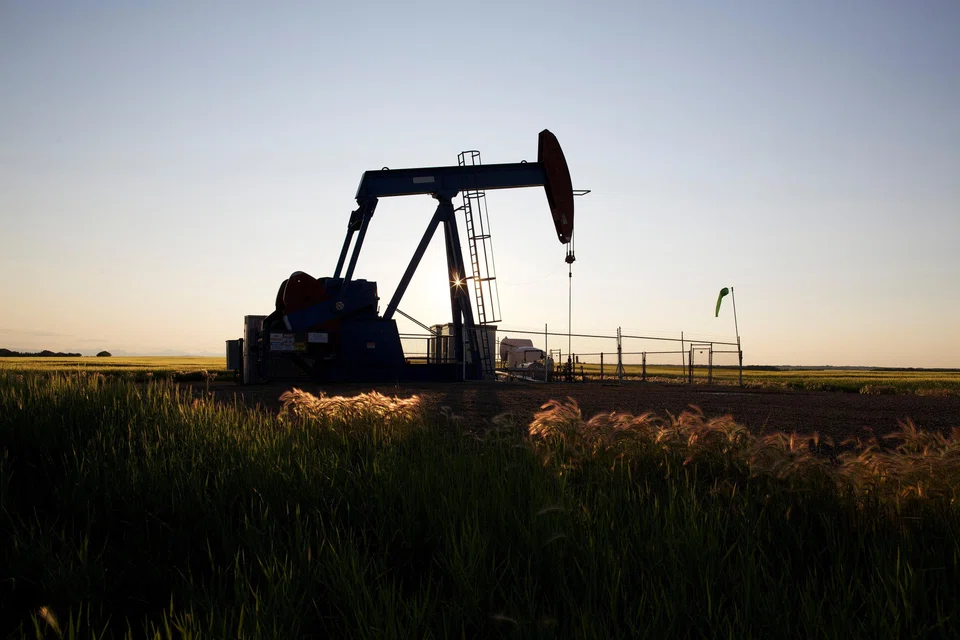
[SINGAPORE] Oil prices slipped more than 1 per cent in early Asian trade on Monday (Nov 2) after Iranian and Qatari officials held a third straight day of talks aimed at pushing for a deal to end the US-Israeli war on Iran.
Brent crude futures fell US$1.59, or 1.4 per cent, to US$111.84 a barrel by 0011 GMT while US West Texas Intermediate crude was at US$102.56 a barrel, down US$1.56, or 1.5 per cent.
Brent ended October at its highest level in six months amid concerns that the US-Iran conflict could escalate again after Tuesday’s US midterm elections.
“Oil is seeing a technical pullback this morning after last week’s strong gains,” said Tim Waterer, chief market analyst at KCM Trade.
“Lingering hopes of some form of diplomatic progress, combined with the absence of any meaningful military escalation over the weekend, have taken some of the immediate heat out of prices for now.”
However, the market remained alert to the possibility that rhetoric around Iran could be ratcheted higher and push Brent toward US$120 after the midterm elections, Waterer said.
Iranian Foreign Minister Abbas Araqchi said on Sunday that the purpose of the “ongoing and progressing” talks was to continue consultations with the Qatari mediators, adding Teheran is prepared for “both defence and diplomacy”.
The talks come amid attacks on oil tankers transiting the Strait of Hormuz that are driving up global energy and shipping costs.
In October, Saudi Arabia increased crude exports versus September despite attacks by the Iran-aligned Yemeni Houthis on its energy infrastructure, two of three ship-tracking companies said.
The Organization of the Petroleum Exporting Countries and allies including Russia, or Opec+, kept December production targets steady on Sunday, confirming expectations that more policy adjustments will not occur until next year, as the group continues to struggle with export disruptions from the Iran war. REUTERS
Decoding Asia newsletter: your guide to navigating Asia in a new global order. Sign up here to get Decoding Asia newsletter. Delivered to your inbox. Free.
Share with us your feedback on BT's products and services
TRENDING NOW

If Europe goes to war, the fallout will be felt in East Asia

Wilmar sold goods to 6 firms issued notices under Singapore haze law; no operational relationship
Stocks to watch: Wilmar, Great Eastern, Keppel, Nio, Lendlease Global Reit
Singapore banks’ wealth fees may ease in Q3 as AI lending, bond yields draw scrutiny

