Opec+ keeps December oil output targets steady ahead of tougher call for 2027
This aligns with expectations that further output policy adjustments will not occur until 2027
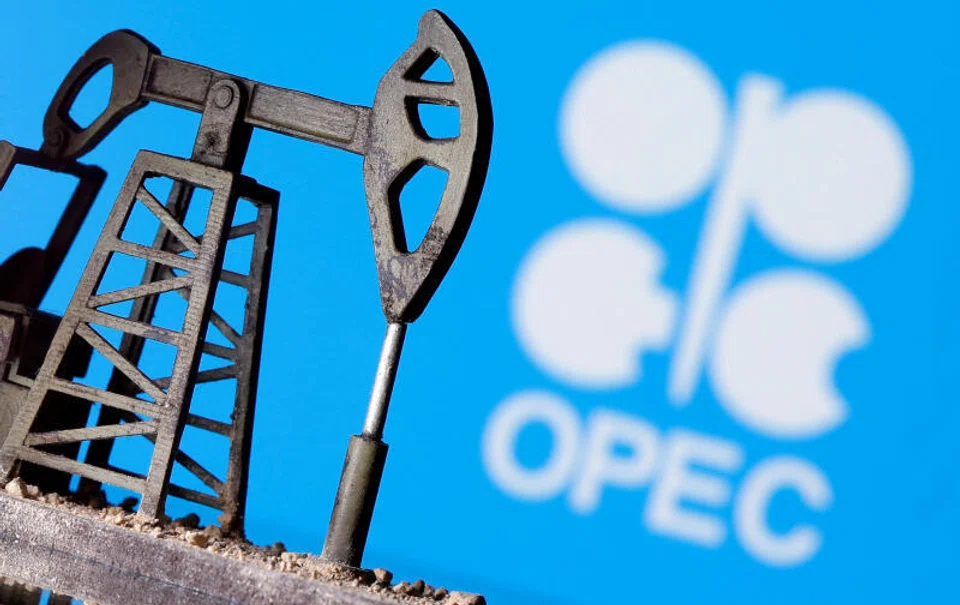
[LONDON/MOSCOW] Opec+ oil-producing countries kept December production targets steady on Sunday (Nov 1), confirming expectations that more policy adjustments will not occur until 2027, as the group continues to struggle with export disruptions from the Iran war.
Seven core Opec+ members – Saudi Arabia, Russia, Iraq, Kuwait, Algeria, Kazakhstan and Oman – made the decision in an online meeting on Sunday, Opec said in a statement.
While Gulf members have been boosting exports that have been disrupted for months by the conflict, most are still pumping well below their targets.
Opec+ comprises the Organization of the Petroleum Exporting Countries and allies including Russia. Only the seven members – plus the United Arab Emirates until it quit Opec in May – have been involved in monthly output decisions in recent years.
All members of the 21-country group are due to meet on Nov 29, when analysts expect it will decide 2027 quotas.
“Today’s decision was the easy one,” said Jorge Leon, an analyst at Rystad. “The much more important test comes at the Nov 29 ministerial meeting, when Opec+ will decide its 2027 production framework.”
Oil prices jumped more than 2 per cent on Friday, with Brent crude settling at almost US$118 a barrel, the highest since April, as traders braced for a potential escalation in the Iran war after the US midterm elections.
The International Energy Agency and other forecasters have warned of excess supply in 2027 should Gulf flows return to normal.
“Opec+ faces an extremely difficult call for 2027,” Leon added. “The group has to plan around huge uncertainty over the US-Iran war, the pace of recovery through the Strait of Hormuz, and the size of the surplus that could emerge once disrupted barrels return.”



Oil capacity review in focus
The seven members have been boosting output targets for much of 2026, and in September completed the phased rollback of a 1.65 million-barrel-per-day (bpd) supply cut first agreed in 2023. At earlier meetings, they kept the targets steady for October and November.
Opec+ still has one more layer of production cuts of about two million bpd covering most members through the end of 2026.
The group needs to complete a review of members’ production capacity during the fourth quarter before setting the 2027 baselines that will determine future quotas and shape plans to unwind those cuts, sources said.
The Iran war has disrupted projects to expand capacity across the Middle East, throwing estimates of future production potential into uncertainty, Reuters reported in October. As a result, the review is now expected to be completed by mid-November. REUTERS
Decoding Asia newsletter: your guide to navigating Asia in a new global order. Sign up here to get Decoding Asia newsletter. Delivered to your inbox. Free.
Share with us your feedback on BT's products and services