

Oil ticks up as traders weigh Iran mediation efforts
US tells several Persian Gulf nations to prep for a short, intense military campaign against Teheran
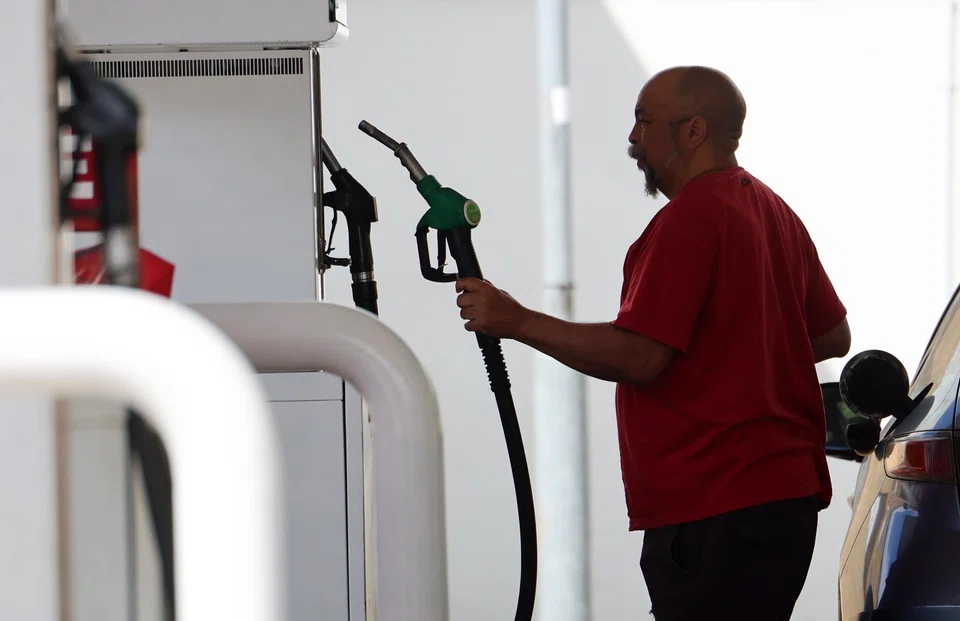
OIL rose as traders weighed whether the US and Israel would resume military strikes on Iran.
Brent rose 1.3 per cent to settle above US$115 a barrel, while West Texas Intermediate closed near US$103.
The US has told several Persian Gulf nations to be prepared for a short, intense military campaign targeting Teheran, The Wall Street Journal reported, heightening concerns about supply from the region.
After settlement, crude erased some gains, with Brent briefly trading below US$114 a barrel, on renewed hopes for progress towards a deal to end the months-long conflict that has sent oil prices surging around the world.
US vice-president JD Vance has reached out to Iranian hardliner Mohsen Rezaei, the secretary of Iran’s top security body, in an effort to revive peace negotiations, The Wall Street Journal reported.
The development comes as traders parse results from two key votes that will help dictate the path forward in the Iran conflict and wider Middle East violence: US midterms next week and last night’s election in Israel.
Israel’s Prime Minister Benjamin Netanyahu was edging past opposition leader Gadi Eisenkot, but with more than 90 per cent of the votes counted, neither had a clear path towards forming a government.
“The market is pricing in a larger probability of re-escalation,” said Warren Patterson, head of commodities strategy at ING Groep.
“Oil prices remain sensitive to developments in the Persian Gulf, specifically around what action, if any, the US may take following the US midterm elections.”

Global benchmark Brent has almost doubled in 2026 as the conflict, which began in February when Trump and Netanyahu ordered the initial attack on Iran, upended energy flows.
Futures have moved steadily higher over the past few weeks, even amid signs that plenty of oil continues to come out of the Persian Gulf and underlying physical markets show signs of weakness.
Traders have been buying Brent options that profit from higher oil prices, a sign they expect geopolitical tensions to rise again after the elections, said Tim Skirrow, head of derivatives at Energy Aspects Quant Analytics.
Trump has also sent extra forces, including a third carrier group, towards the Persian Gulf.
Market participants are also wary of stop-and-go diplomatic efforts that have so far failed to present a solution to the war in the Middle East.
Oil pared some gains on Wednesday after Iran’s Foreign Minister Abbas Araghchi said that the country “continues to give diplomacy a chance to succeed”, though traders treated the overture with caution, said Ole Sloth Hansen, head of commodity strategy at Saxo Bank.
In the Middle East, risks remain elevated with Saudi energy infrastructure coming under repeated attacks by Yemen’s Iran-backed Houthi rebels.
An incident sparked a fire near the kingdom’s biggest oil-export terminal at Ras Tanura early on Tuesday. While it was contained, according to a person familiar with the matter, the extent of the damage was not immediately clear.
Elsehwere, Abu Dhabi National Oil has told some Asian refiners that part of their supply is likely to be delivered through a new pipeline early in 2027.
Signs continue to mount that the reserves governments have used to cushion lost output are running low.
US crude inventories dropped 1.9 million barrels, the fourth straight weekly drop, according to the Energy Information Administration.
Midwest petrol stockpiles are at their lowest on record, raising the risk of persistently high gas prices in key battleground states just a week before midterm elections.
“Global inventories have fallen sharply, with pledged strategic oil reserve releases largely completed,” said Giovanni Staunovo, a commodity analyst at UBS Group.
Record freight costs, constrained tanker capacity and recovering Chinese imports are also likely to keep prices elevated, he added.
Traders also tracked the US Federal Reserve’s interest rate decision in the session, with energy spikes fueling inflation.
Fed chairman Kevin Warsh noted the recent rally in oil futures during a press conference in Washington, and he repeated the central bank’s “readiness to act” on inflation without offering a clear signal on a rate hike in December. BLOOMBERG
Decoding Asia newsletter: your guide to navigating Asia in a new global order. Sign up here to get Decoding Asia newsletter. Delivered to your inbox. Free.
Share with us your feedback on BT's products and services
TRENDING NOW

If Europe goes to war, the fallout will be felt in East Asia

Indonesia stocks suffer worst plunge in nearly 30 years as MSCI proposes standalone status
Director of PR firm sacked for secretly recording internal meeting loses wrongful dismissal claim
Firms linked to haze pledge cooperation in meeting with Shanmugam; government to table changes to haze law

