

Oil extends gain as peace negotiations between US and Iran stall
Trump has not set an end date for the extended ceasefire
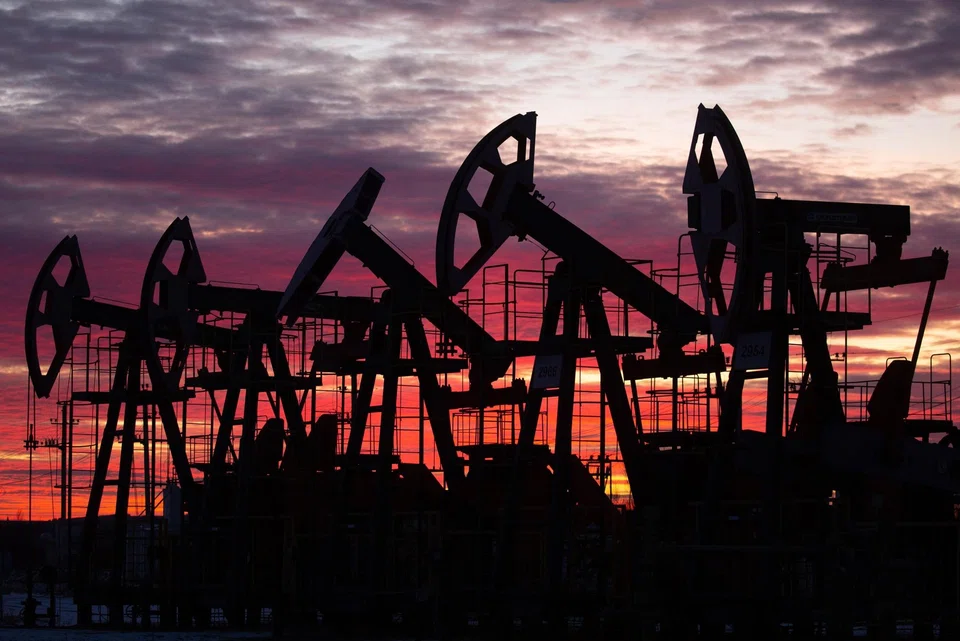
Oil rose for a fourth day on Thursday (Apr 23) as the US and Iran remained locked in a battle for control of the Strait of Hormuz after failing to meet for a fresh round of peace talks.
Brent traded near US$104 a barrel after jumping almost 13 per cent in the last three sessions, while West Texas Intermediate was around US$95. US President Donald Trump said the truce agreed Apr 7 would stay in place indefinitely while Washington waits for Iran to submit a new peace proposal, although Teheran says it has no plans to take part in negotiations imminently.
Global benchmark Brent jumped as much as 4.2 per cent early in the session before quickly reversing on unconfirmed reports that there were explosions in Iran.
The war has rattled energy markets since it started at the end of February, with the near-closure of the Strait of Hormuz causing a sharp drop in flows from major producers in the Persian Gulf. The US maintained a naval blockade on ships going to and from Iran’s ports to pile pressure on the Islamic Republic, in a move Foreign Minister Abbas Araghchi called a violation of the ceasefire.
“Tensions are remaining high, and with the US and Iran currently at a stalemate on agreements, until somebody flinches, the path of least resistance for prices still looks higher,” said Dennis Kissler, senior vice president for trading at BOK Financial Securities Inc. “The longer no oil flows through the strait, the higher we will go with prices.”
Washington and Teheran remain deadlocked on several other key issues, including the Islamic Republic’s nuclear capabilities and Israel’s invasion of Lebanon. Iranian President Masoud Pezeshkian said in a post that while he welcomes talks, the “blockade and threats are main obstacles” to diplomacy.
SEE ALSO



Iran is keeping Hormuz closed to almost all other international traffic, and the country’s gunboats fired on commercial ships in the strait on Wednesday. Since the US naval blockade was put in place earlier this month, US forces have seized and boarded ships, and turned back dozens of others.
Elsewhere, traders followed US oil inventory data published on Wednesday by the US Energy Information Administration, which showed declines across all major refined product categories. The world has been looking to US supplies to offset disruptions from the Middle East and that heightened demand pushed total oil and fuel exports to a fresh record, according to the agency.
“The lack of progress in peace talks mean that hopes the oil market had for a resolution will fade, leading the market to increasingly reflect the reality of the supply disruption,” said Warren Patterson, head of commodities strategy at ING Groep NV. “While prices have been very headline driven recently, the market will gradually become numb to these if they turn out to be just headlines.” BLOOMBERG
Decoding Asia newsletter: your guide to navigating Asia in a new global order. Sign up here to get Decoding Asia newsletter. Delivered to your inbox. Free.
Share with us your feedback on BT's products and services
TRENDING NOW

Malaysian king buys stake in Singapore-listed mining firm expanding into rare earths

Grab CEO’s wife Chloe Tong on life with Anthony Tan and finding her purpose

Once staunchly pro-China, Malaysian Chinese businesses are now distancing themselves from Beijing

Longer wait times expected as S’pore healthcare institutions report system disruptions

