Singapore’s central gas buyer affirms Indonesia’s role as ‘important partner’ amid export review warning
Analysts warn that a supply curb could raise power prices, and stress the importance of a diversified supply

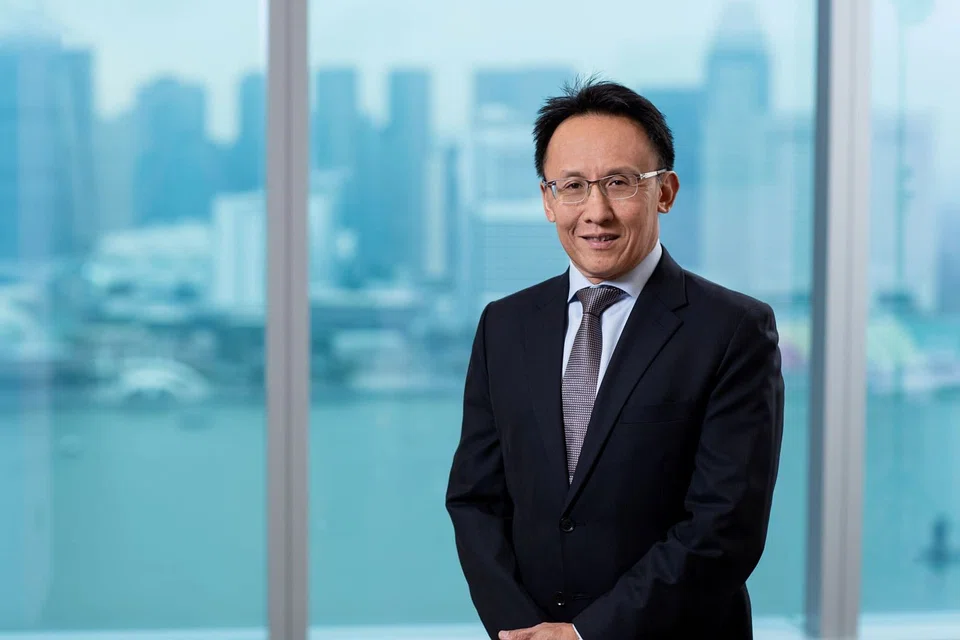
[SINGAPORE] Singapore’s centralised gas buyer expects Indonesia to remain an “important regional partner” for energy security, the CEO of Singapore GasCo Alan Heng told The Business Times on Friday (Oct 23).
His comments came after Indonesia’s Coordinating Minister for Downstreaming and Energy Transition Bahlil Lahadalia on Wednesday told reporters that the country might not renew gas export contracts with neighbouring countries, before warning the next day that Indonesia could also stop energy exports to unspecified countries that “disrespect” it.
While declining to comment specifically on the minister’s remarks, Singapore GasCo’s Heng said: “We will continue to work closely with our regional partners as part of our efforts to strengthen Singapore’s energy security and resilience.”
Indonesia is a key natural gas supplier to Singapore, which taps the fossil fuel to generate 95 per cent of its electricity. Singapore received 3.22 million tonnes of natural gas from Indonesia in 2025, making the city-state one of its largest importers.
Enough stock to survive shock
Curbs in gas supply from Indonesia could result in higher power prices over time, but the magnitude of the price increase will depend on the duration and the price of alternative supplies, said Lee Rou Urn, Asia pricing analyst for liquefied natural gas (LNG) at Argus Media.
That said, she reckons that Singapore “is likely sufficiently diversified to deal with a short-term escalation, as the country has as much as 11 million tonnes per year of LNG storage available”.

This storage capacity exceeds the 8 million to 9 million tonnes a year the Republic needs for power generation, she noted. And Singapore is also equipped with a standby LNG facility that power generation companies can draw on in a crisis.
Rajat Agarwal, a partner at McKinsey, also pointed to Singapore’s diversified gas portfolio and infrastructure that has the scope to further diversify supply if needed.
Singapore’s gas imports take the form of both piped natural gas (PNG) from Indonesia and Malaysia, and LNG, which is shipped in from around the world.
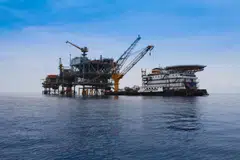

In 2025, PNG comprised 43 per cent of the country’s total gas imports; LNG made up the remaining 57 per cent.
Singapore GasCo’s procurement strategy “focuses on building a diversified and flexible portfolio across different supply sources, geographies and contract tenures”, said Heng.
“This includes a mix of long-term and shorter-term contracts, as well as spot purchases, providing flexibility to respond to changing supply and market conditions.”
Singapore GasCo has also launched its first long-term LNG procurement exercise to secure term supplies of up to 10 years, with deliveries commencing in 2029, Heng added.
All the same, “a longer-term escalation or indefinite curtailment could result in a need to reconsider or further diversify Singapore’s LNG supply sources”, Lee said.
She noted that Indonesia’s import contract with Singapore is set to expire in end-2028, with no indication so far about whether the contract would be extended or renewed.
Nevertheless, Agarwal noted that Singapore is expanding its regasification and storage capacity by the end of the decade, and that “the market has a number of options available to it if market conditions change”.
“The focus would be on maintaining that diversity and ensuring there is sufficient infrastructure and flexibility to adjust the supply mix over time,” he said.
Decoding Asia newsletter: your guide to navigating Asia in a new global order. Sign up here to get Decoding Asia newsletter. Delivered to your inbox. Free.
Copyright SPH Media. All rights reserved.