

Gaming growth, AI-boosted supply chains: S&P lists 5 Apac sectors to watch right now
Casinos and office Reits shine, but hype, energy shocks and trade tensions will dictate winners and losers

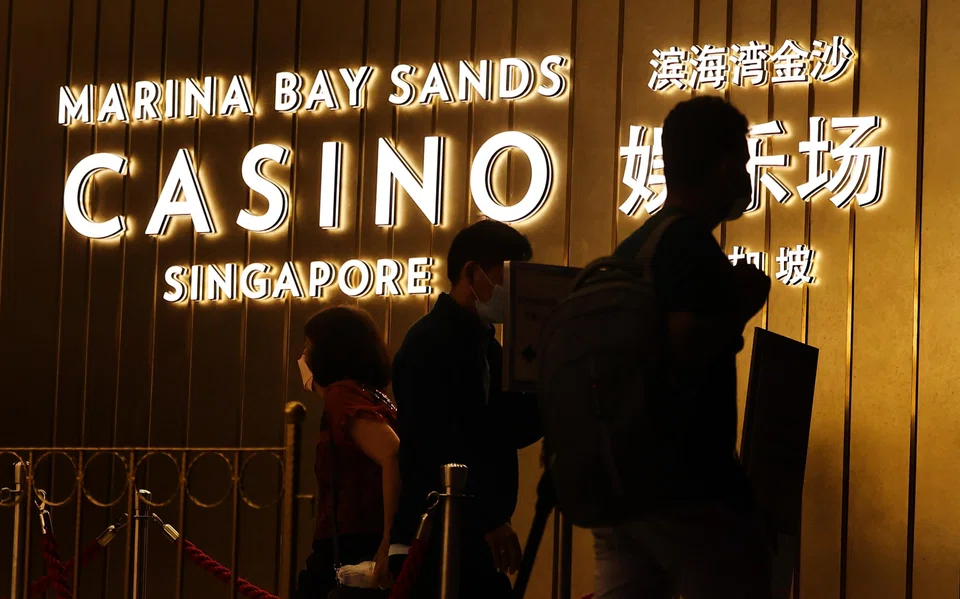
[SINGAPORE] The gaming sector in Singapore and Malaysia is expected to get a boost, but S&P Global Ratings believes that growth could be tempered by continued volatility in the Middle East.
Gross gaming revenue (GGR) in Singapore and Malaysia should “edge up” thanks to higher visitations on asset upgrades and the Visit Malaysia campaign, it said in a Wednesday (Jul 1) report.
Las Vegas Sands’ Marina Bay Sands, Genting Singapore’s Resorts World Sentosa and Genting Malaysia’s Resorts World Genting could thus see an uptick in revenue in the coming year.
Philippines’ GGR could also see a return to growth due to a “supportive visa policy and recovery in online gambling”, said S&P.
While such local catalysts are sparking optimism, the broader Asia-Pacific is navigating a complex mix of a tech boom driven by artificial intelligence and geopolitical supply chain risks.
Here is what S&P has forecast about gaming and four other sectors in the region.

Gaming
In 2025, Singapore’s Marina Bay Sands completed a US$1.8 billion multi-year reinvestment programme that extensively upgraded the integrated resort.
The project included the full refurbishment of all three hotel towers, the hotel lobby and Sands SkyPark, alongside new premium dining and retail offerings, upgraded VIP arrival experiences and enhanced luxury amenities.
Its competitor, Resorts World Sentosa, also began rolling out major new attractions in 2025 as part of its S$6.8 billion RWS 2.0 transformation, including new attractions at Universal Studios Singapore, the Singapore Oceanarium and expanded luxury lifestyle offerings.


In its report, S&P noted that while Singapore and Malaysia are regional bright spots, travel demand will soften if Middle East tensions keep oil prices elevated.
This could result in consumers cutting back on discretionary spending, which will directly hit the price-sensitive casino patron segment.
Reits
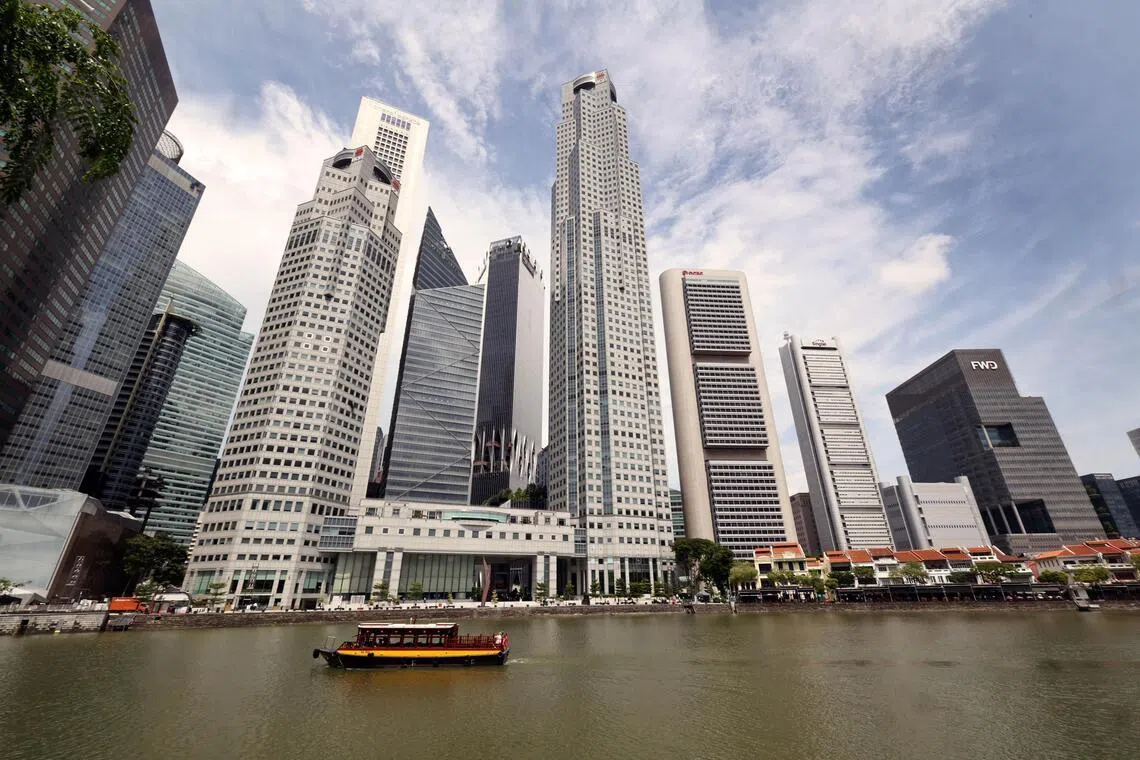
S&P noted that while office and retail recoveries face delays in several gateway cities, Singapore and Tokyo are bucking the trend.
Both markets have resilient office sectors benefiting from solid demand and limited new supply.
Still, funding costs remain a regional pressure point. Faster-than-expected interest rate hikes and sluggish revenues could dent credit metrics, particularly for Japanese landlords, said S&P.
Utilities
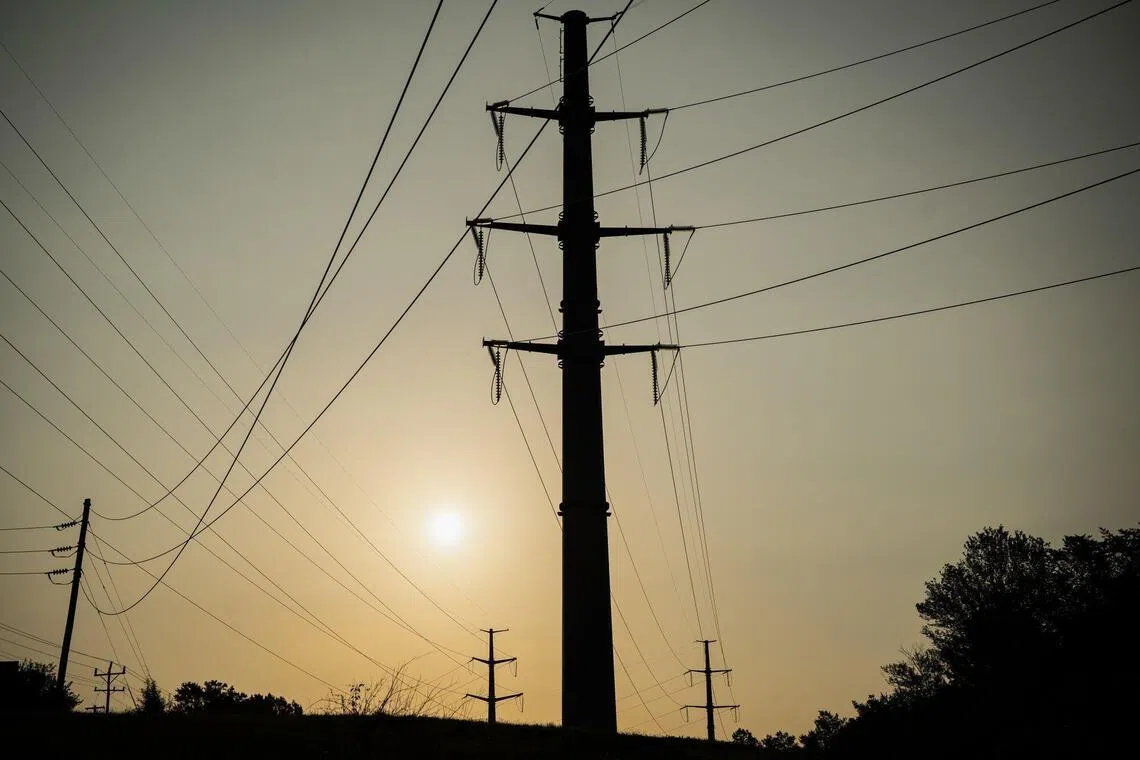
Energy security is reshaping policies in the Asia-Pacific, S&P noted, with major markets boosting coal power to offset natural gas fuel shortages.
Singapore and Taiwan were flagged as two highly vulnerable, gas-reliant markets.
A more prolonged Middle East conflict could trigger supply shortages, forcing utilities into expensive spot market purchases that squeeze margins.
Technology
S&P said that AI is acting as a counterweight to global tensions.
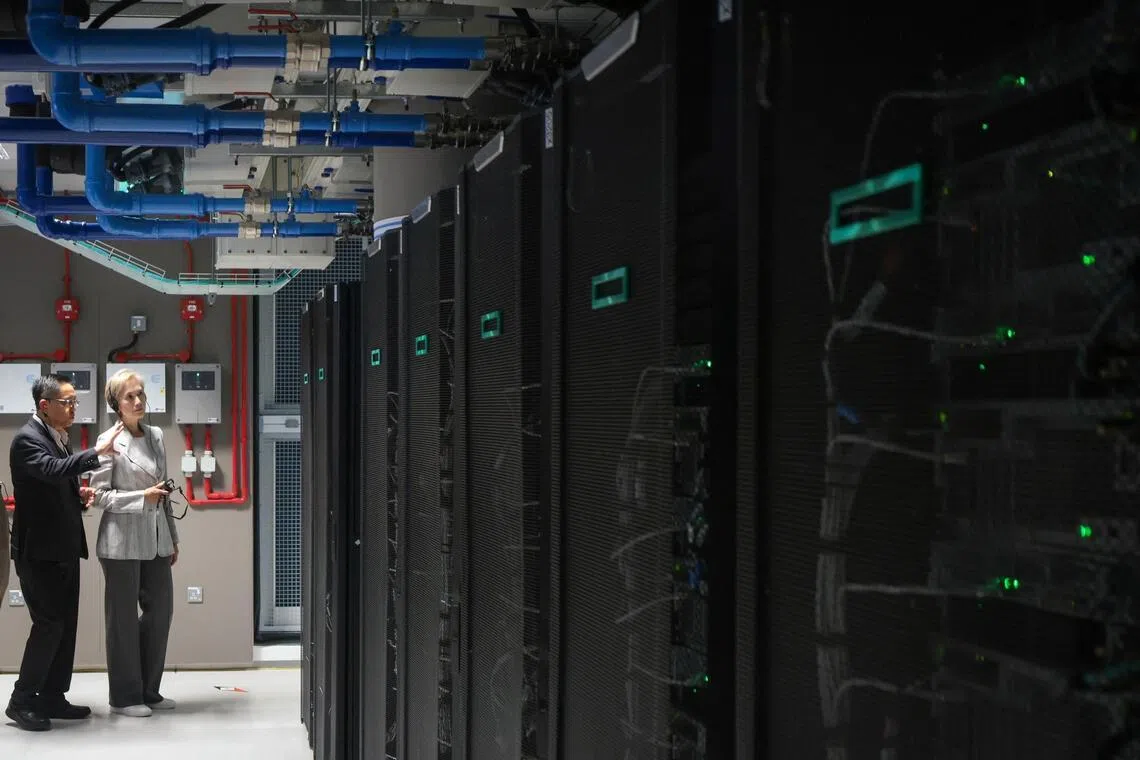
Surging AI capital expenditure from hyperscalers is boosting the semiconductor and AI server supply chains, giving the sector better visibility on profitability.
Still, low visibility on AI monetisation, combined with elevated energy costs and geopolitical conflicts, could eventually slow data centre build-outs and weaken chip demand, said S&P.
Automotive
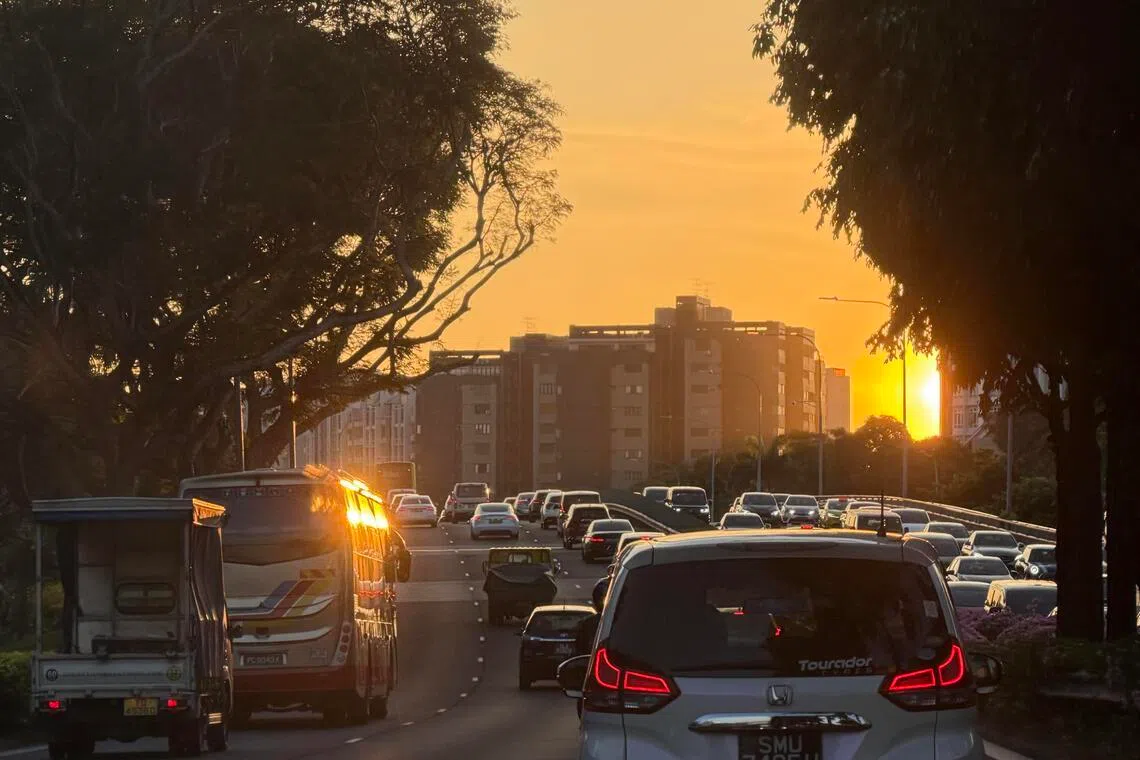
Global light vehicle sales are expected to decline by 2.5 per cent in 2026. However, fuel price anxiety is fuelling a surge in hybrid vehicle sales, boosting Japanese and Korean carmakers.
At the same time, shrinking domestic demand is pushing Chinese carmakers to export more.
S&P expects this to severely intensify competition in South-east Asia, directly eroding the market share of Japanese carmakers.
Decoding Asia newsletter: your guide to navigating Asia in a new global order. Sign up here to get Decoding Asia newsletter. Delivered to your inbox. Free.
Copyright SPH Media. All rights reserved.






