

HSBC beats estimates with US$10.1 billion quarterly profit, announces fresh US$1 billion stock buyback
The lender will consider hiking its bonus pool if performance keeps up, says CEO Georges Elhedery
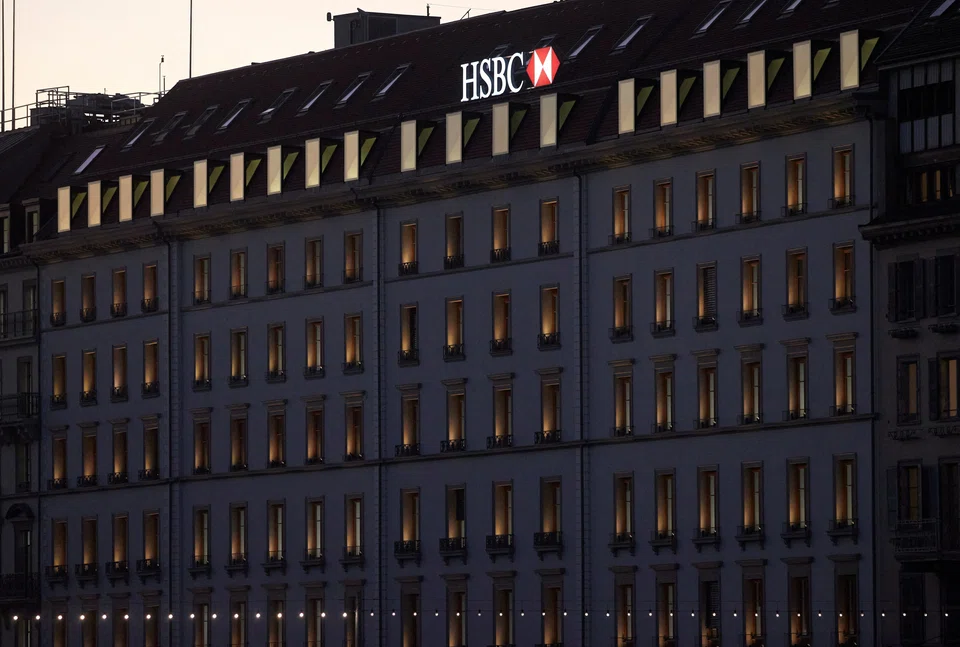
HSBC Holdings announced a fresh stock buyback and raised its cost-cutting target as it reported second-quarter earnings that beat estimates despite China’s crackdown on cross-border wealth flows.
The London-headquartered lender will repurchase as much as US$1 billion in stock after pretax profit for the three months through June rose to US$10.1 billion, beating estimates.
Results were bolstered by notable items alongside gains in banking and wealth revenue.
“The results as a whole are demonstrating that we are becoming the stronger bank that we set out to build,” CEO Georges Elhedery said in an interview with Bloomberg Television. “We are also very pleased with the progress we’re making on the strategy, which we are executing with precision, with discipline and at pace.”
Since taking the helm, Elhedery has accelerated an overhaul of Europe’s largest bank through asset sales and operational simplification, including slashing the number of members in the operating committee and managing director positions.
HSBC now expects its restructuring effort to yield US$2 billion in total cost savings, up from an earlier target of US$1.5 billion.
The lender has exited 15 non-strategic businesses since 2025 and announced three sales in the past days, including striking a deal to sell its Singapore insurance unit to Allianz for S$2.7 billion (US$2.1 billion).
“We are doing a review at pace of those activities that are either low returning or non-strategic and we expect to be able to reach our target profile and our target geographical footprint relatively shortly,” Elhedery said.
The resumption of stock repurchases follows a pause announced in October 2025, when HSBC signalled it would halt buybacks for about three quarters to accommodate its roughly US$14 billion deal to take Hang Seng Bank private.


Elhedery said the lender will consider boosting its bonus pool for bankers if strong performance continues.
“Should we continue to see this momentum carry forward into the second half, then we would certainly consider to reward our colleagues for their increased performance by adjusting the variable pay pool upwards,” he said during a call discussing the Q2 earnings.
HSBC shares have touched record highs in recent weeks, rebounding from a June slump triggered by Beijing’s clampdown on cross-border capital flows, which had stoked investor concerns over potential friction in its wealth management unit.
The shares fell 0.7 per cent to HK$167.10 in Hong Kong trading, paring 2026’s gain to 36.5 per cent.
Wealth inflows slowed to US$25 billion during Q2, from US$39 billion in the first three months but were flat compared to a year ago.
The bank also reported provisions of US$1.1 billion, including charges related to the Hong Kong commercial real estate sector, while upgrading its banking net interest income guidance for 2026 to at least US$46 billion.
Elhedery has placed HSBC’s wealth unit at the centre of the bank’s transformation strategy, frequently highlighting the growing importance of Hong Kong as a regional wealth management hub.
On Jul 29, rival Standard Chartered reported better-than-estimated Q2 profit and a record first-half performance driven by its expanding wealth business, allowing the lender to announce a new US$1 billion share buyback.
Downplaying the impact of China’s crackdown, StanChart CEO Bill Winters told Bloomberg Television that the bank had seen “no discernible change” in business flows.
Still, Beijing’s actions have stoked fears that wealth growth could falter if citizens face greater restrictions when moving money offshore. Bloomberg Intelligence analysts estimate that, under a worst-case scenario, new money inflows could plunge as much as 30 per cent in 2026. BLOOMBERG
Decoding Asia newsletter: your guide to navigating Asia in a new global order. Sign up here to get Decoding Asia newsletter. Delivered to your inbox. Free.
Share with us your feedback on BT's products and services
TRENDING NOW

8 public officers referred to police over property buys near unannounced MRT stations: Chan Chun Sing

Grab CEO’s wife Chloe Tong on life with Anthony Tan and finding her purpose

Retrenched PMETs who return on lower pay see median 25% wage cut

Hao Mart owner resisting OG’s mortgage foreclosure on his Tanglin GCB

