

Singapore leads Hong Kong in private markets allocation, but fewer investors are raising exposure
Asia-Pacific respondents are the most likely to report increasing allocations to private equity

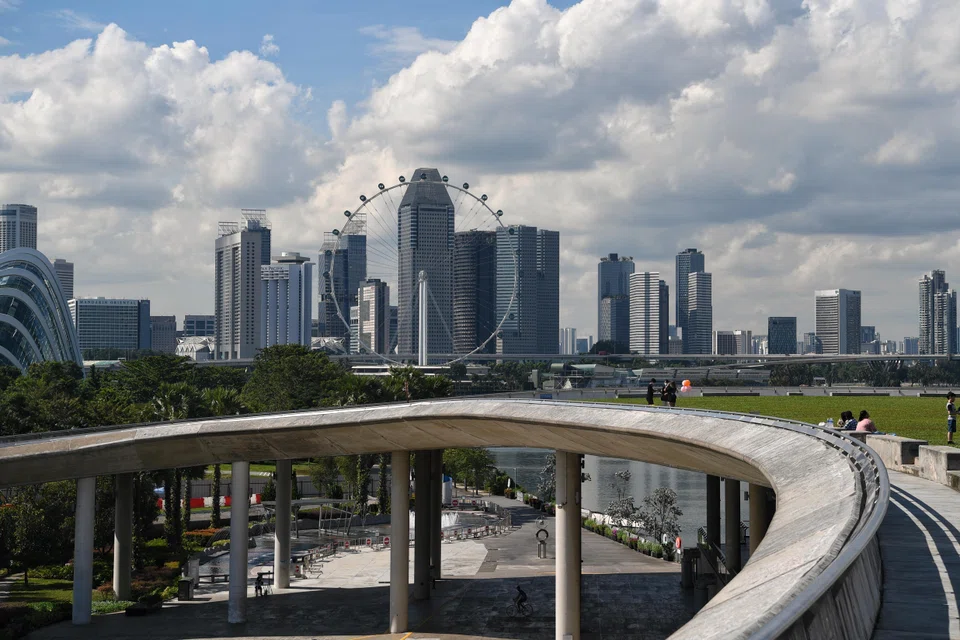
[SINGAPORE] Singapore asset owners allocated a slightly bigger share of their portfolios to private markets than their Hong Kong peers, but a greater proportion of Hong Kong investors increased their exposure over the past year, based on Morningstar’s Asset Owner Perspectives Survey 2026 released earlier this year.
Among Singapore respondents, private markets accounted for 23.8 per cent of their portfolios, versus 22 per cent in Hong Kong.
However, 68.6 per cent of Hong Kong asset owners said they raised exposure over the past 12 months, compared with 48.6 per cent in Singapore.
The findings come as institutional investors globally seek to diversify beyond public markets, with average private markets allocations expected to rise from 19 per cent currently to 23 per cent over the next five years.
Among asset owners planning to raise private markets exposure, diversification from public markets (56 per cent) was the leading driver, followed by higher expected returns at 42 per cent.
Hong Kong respondents were most focused on diversification at 81 per cent, ahead of Singapore (70 per cent), China (67 per cent) and Canada (66 per cent).

Across regions, Asia-Pacific investors placed greater emphasis on diversification (60 per cent) and resilient cash flows (31 per cent), while European investors were more likely to cite higher expected returns (46 per cent) and supportive government policies or regulatory changes (19 per cent).
The survey included 504 asset owners in 2026, of which 40 per cent were based in the Asia-Pacific.
Broad exposures in the Asia-Pacific
Asia-Pacific respondents were the most likely to report increasing allocations to private equity (47 per cent), private credit and direct lending (38 per cent), and co-investments (22 per cent).


Meanwhile, North American asset owners led in infrastructure (41 per cent), venture capital and growth equity (40 per cent), and private debt (32 per cent).
European investors reported the highest level of reduced real estate exposure (26 per cent) and were the least likely to be invested in venture capital and growth equity, secondaries and natural resources.
Despite continued interest in private markets, liquidity was the dominant barrier to higher allocations, cited by 63 per cent of asset owners globally, and more so in North America (70 per cent) and the Asia-Pacific (65 per cent).
Asia-Pacific investors also highlighted limited data availability (33 per cent), return concerns (32 per cent) and macro geopolitical issues (22 per cent).
AI, ESG and geopolitics
Asset owners see artificial intelligence mainly as a tool to improve efficiency and support better investment decisions.
They identified the greatest opportunities in workflows (44 per cent), information access (42 per cent) and data quality (41 per cent), followed by investment research and forecasting (35 per cent).
Meanwhile, fewer asset owners in Singapore and Hong Kong said ESG considerations had become more material to their investment decisions compared with a year earlier.
In Hong Kong, the proportion fell from 56 per cent in 2025 to 42 per cent in 2026, while Singapore recorded a decline from 53 per cent to 44 per cent. Across the Asia-Pacific, the share dropped from 43 per cent to 34 per cent.
Regulatory change is another factor reshaping how institutions think about portfolio construction.
Singapore respondents were more likely than their Hong Kong peers, or the global average, to rate geopolitical risks as “very material”.
Some 41 per cent in Singapore said that the Middle East conflict was material, against 25 per cent globally and 11 per cent in Hong Kong.
The same proportion of Singapore respondents considered increasing trade disputes “very material”, compared with 33 per cent in Hong Kong and 26 per cent globally.
Meanwhile, 15 per cent of Singapore respondents and 19 per cent in Hong Kong called the current US administration “very material” to their investment decisions, below the 20 per cent global figure.
Decoding Asia newsletter: your guide to navigating Asia in a new global order. Sign up here to get Decoding Asia newsletter. Delivered to your inbox. Free.
Copyright SPH Media. All rights reserved.
TRENDING NOW
Singapore tech stocks plunge as Nasdaq bloodbath spills into region

S$3 billion money laundering case: Rare Pateks and Rolexes, diamond-covered Hermes and more head to auction
OCBC wealth clients turn defensive amid market volatility as Q3 profit rises 3%

From legacy to launch: Francis Yeoh and Yeoh Pei Xien on family unity and YTL’s next‑gen ventures

