

Singapore stocks fall even as exports surge; STI down 1.4%
Across the broader market, losers beat gainers 397 to 220 as 1.1 billion securities change hands
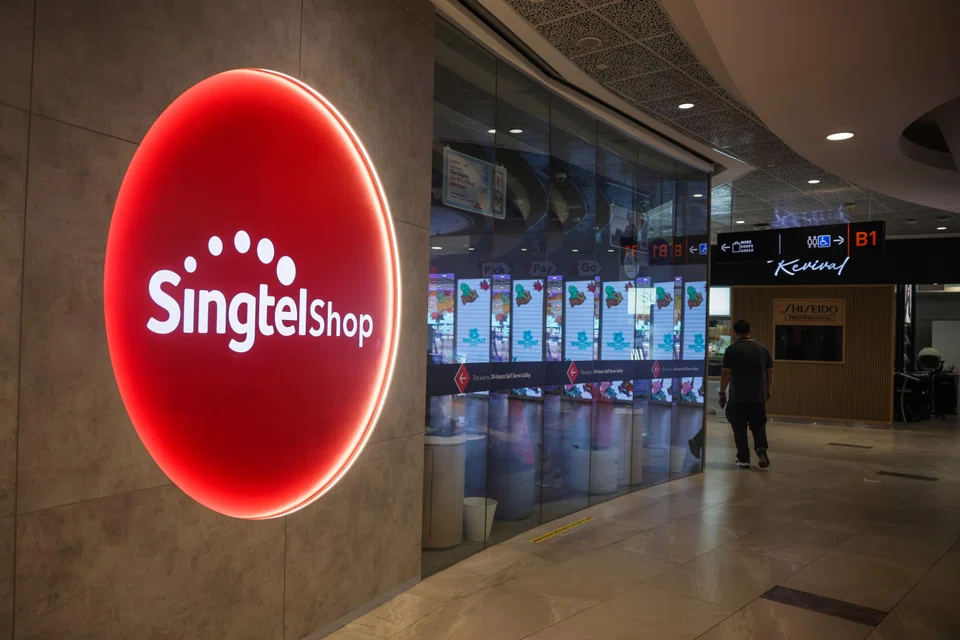
[SINGAPORE] Singapore stocks ended lower on Tuesday (Nov 17), even as the Republic reported a 79.8 per cent year-on-year surge in non-oil domestic export in October.
The benchmark Straits Times Index (STI) lost 1.4 per cent or 74.05 points to finish at 5,109.13.
Singtel led the gainers on Singapore’s blue-chip index, rising 2.5 per cent or S$0.10 to S$4.10.
Analysts remain positive on the company’s prospects after its first-half results, where underlying earnings improved despite a decline in reported net profit.
The worst performer among STI constituents was Keppel , which fell 2.9 per cent or S$0.28 to S$9.27.
The local banks all ended lower.

DBS lost 2.3 per cent or S$1.60 to S$67.70, OCBC fell 2.2 per cent or S$0.63 to S$27.68 and UOB was down 1.8 per cent or S$0.68 at S$36.70.
Within the iEdge Singapore Next 50 Index, First Resources was the top gainer, rising 6.3 per cent or S$0.18 to S$3.03. PC Partner was the index’s biggest decliner, falling 10.9 per cent or S$0.20 to S$1.64.
Across the broader market, losers outnumbered gainers 397 to 220, after 1.1 billion securities worth S$2.3 billion changed hands.
Key regional indices ended lower. Hong Kong’s Hang Seng Index lost 1 per cent, South Korea’s Kospi was down 2.6 per cent, and the FTSE Bursa Malaysia KLCI declined 0.8 per cent.
Japan’s Nikkei 225 fell 1.3 per cent.
Stephen Innes, managing partner at SPI Asset Management, said that recent economic data out of Japan offers “little reason for celebration”.
“Third-quarter GDP (gross domestic product) unexpectedly contracted at a 0.1 per cent annualised quarterly rate... with weak household consumption offsetting resilient investment,” he added.
This article was written with the assistance of AI and reviewed by a reporter
Decoding Asia newsletter: your guide to navigating Asia in a new global order. Sign up here to get Decoding Asia newsletter. Delivered to your inbox. Free.
Share with us your feedback on BT's products and services
TRENDING NOW
CapitaLand, Far East, Sing Holdings team up in S$1.8 billion bid at S$910 psf ppr for Jurong Lake District site
‘If there’s a price to be paid, so be it’: George Yeo says Singapore must safeguard its reputation

Demand, tech capabilities position Apac and AI as Skyscanner’s next growth frontiers: CEO Bryan Batista

US agents, Singapore officials conducted Megaspeed check in June 2025; Alice Huang interviewed: US agencies

