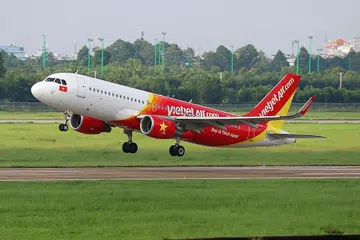
Rolls-Royce admits Thai Airways shortfall, plots aggressive regional comeback
RR is rolling out the final phase of its upgraded Boeing 787 engine, the Trent 1000 XE, this quarter

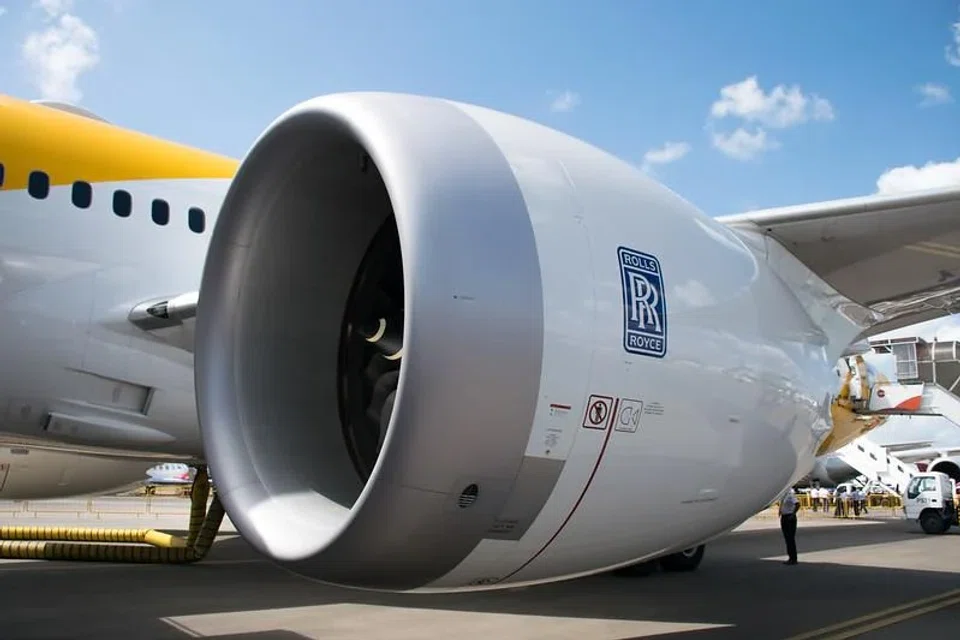
[SINGAPORE] After years of damage control over its Boeing 787 engines, Rolls-Royce (RR) – one of the world’s largest aircraft engine manufacturers – is moving to prevent more customers from switching to rival GE Aerospace, as Thai Airways did two years ago.
Speaking to The Business Times on Wednesday (Feb 4) at the Singapore Airshow 2026, RR’s chief customer officer for civil aerospace, Ewen McDonald, acknowledged that the company fell short in convincing Thai Airways to remain a customer.
He attributed the loss to a lack of technical confidence from Thai Airways at the time, rather than other factors such as pricing.
The airline switched to GE’s GEnx engines for its 45 new Boeing 787s in 2024 after repeatedly criticising RR’s Trent 1000 alternative, which it used on its existing 787 fleet.
In November that year, Thai Airways chief Chai Eamsiri said its 787 engines were spending as long as 120 days undergoing checks, significantly longer than the 90-day wait previously.
RR blamed industry-wide supply chain constraints for the delays.
Thai Airways is not alone in switching. In the Pacific, Air New Zealand flies 14 RR-powered 787s, but the five new ones it has on order will have GE engines.
But the British engineering giant is now pivoting from defence to offence.
With its new Trent 1000 XE engine upgrade rolling out its final phase this quarter, RR is launching a “very, very aggressive” campaign to win back market share in South-east Asia, a region it has identified as the world’s fastest-growing aviation battleground.
SEE ALSO


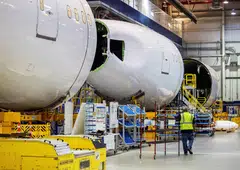
The confidence gap
Bloomberg reported in November 2023 that Thai Airways had publicly criticised RR for its “tougher stance” on pricing, citing an apparent refusal to offer more flexible terms.
More than two years on, McDonald offers a fresh perspective: The loss was a matter of timing. The crucial XE upgrades, which aim to fix the engine’s historical durability issues, were simply too early in their development to persuade the Thai carrier.
“The progression of the XE... was at the early stages when (Thai Airways) was making that decision,” he explained. “They have to take a view of risk. Maybe if they’re looking at it today, they would have a different decision because the confidence point is much higher.”
He added that RR fell short in providing the necessary proof that the fixes were effective, a gap the company said it has now closed.
To stop further defections and challenge GE’s dominance, RR has rebranded its upgraded engine as the Trent 1000 XE, signalling a complete break from the troubled past.
“It has changed the engine beyond recognition,” McDonald stated.
The “Phase 1” upgrade, already in service, has reportedly “more than doubled” the engine’s time-on-wing: the duration an engine operates on an aircraft before it must be removed for maintenance.
A “Phase 2” upgrade, launching this quarter, will add another 20 to 30 per cent improvement in reliability.
“This is transformational,” said McDonald. “We are providing real competition... we’re in a really positive place.”
High stakes in South-east Asia
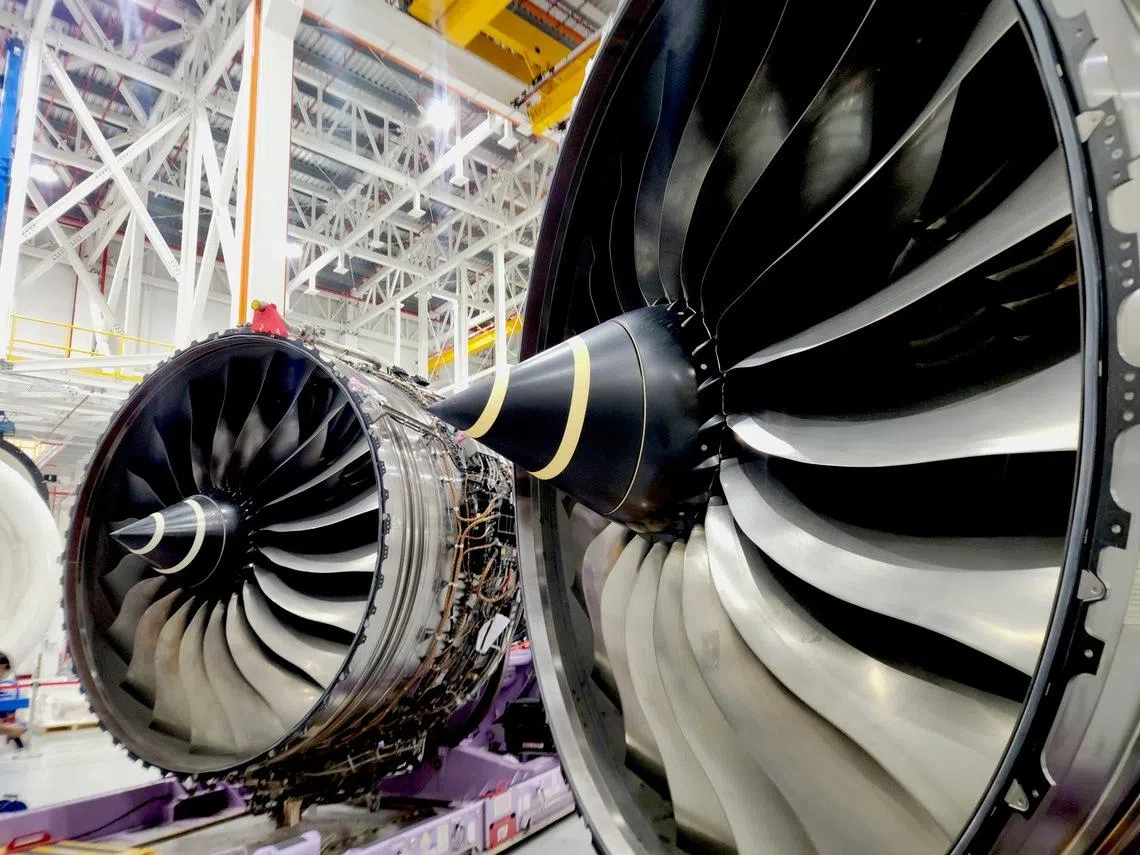
The stakes are highest in South-east Asia. RR has identified the region’s growth rates as “beating” the rest of the world, making it the primary target for the estimated 3,000 Boeing 787s yet to be sold globally.
A Boeing briefing on Wednesday showed that South-east Asia alone will account for deliveries of about 910 new wide-body aircraft, such as the Boeing 787, through to 2044.
“I would like to see it... turn the other way,” said McDonald on the market share trend towards GE. “We are going to be very, very aggressive in the market.”
This strategy relies heavily on Singapore. The executive confirmed that the new XE upgrades will be installed at Singapore Aero Engine Services (SAESL), its joint venture with SIA Engineering Company .
As the “biggest shop” in its global network, SAESL is expanding capabilities to handle third-party work, allowing regional airlines to upgrade locally rather than shipping engines to Europe.
For Singapore Airlines (SIA) , the benefits are immediate.
Beyond the upgrades for its current fleet, McDonald revealed that SIA’s upcoming A350 freighters will receive a specialised “Phase 3” engine in 2028. Originally designed for harsh Middle East sand, this variant can also boost the lifespan of SIA’s freighter engines by 50 per cent in Singapore’s “benign” environment.
With technology finally catching up to the promises, RR is betting that the XE era will convince South-east Asian airlines to forgive the past.
“We now have confidence in that engine,” McDonald said. “And we would like to see people switching back.”
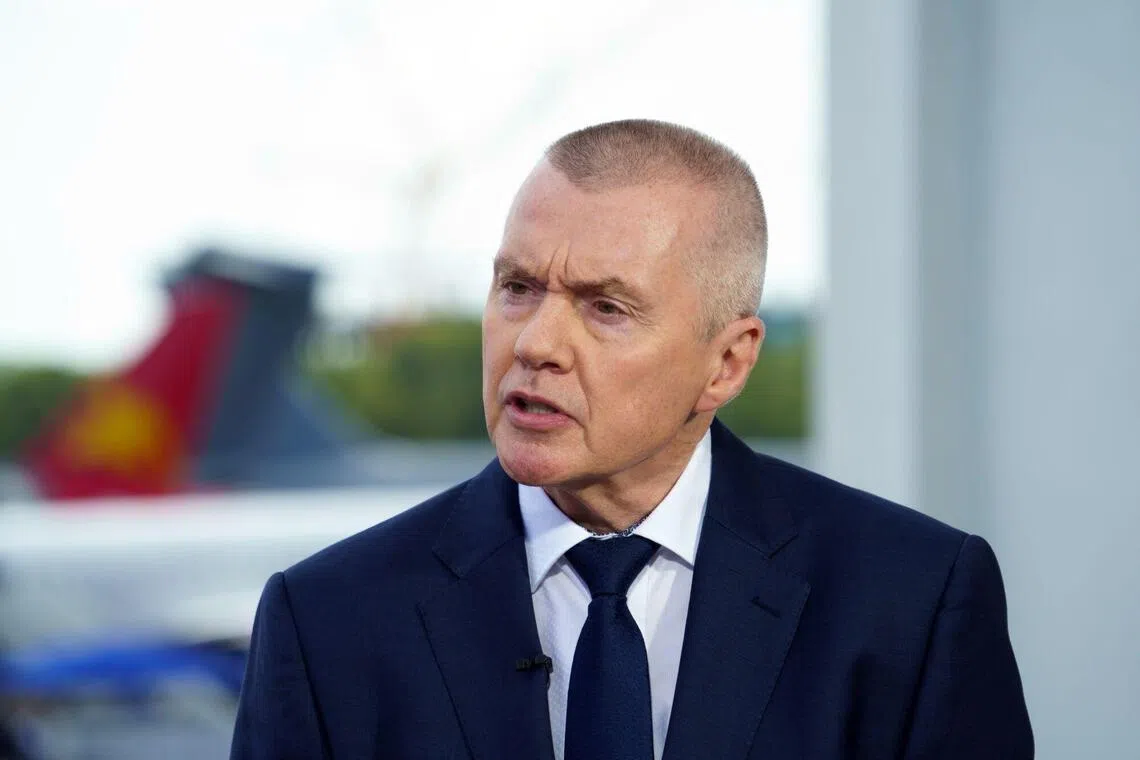
McDonald’s comments followed International Air Transport Association (Iata) chief Willie Walsh on Monday castigating engine manufacturers such as RR for hiking repair costs despite ongoing engine durability issues and massive maintenance backlogs.
RR’s civil aerospace president, Rob Watson, countered the next day, arguing that the price increases are a necessary result of supply-chain bottlenecks and global geopolitical instability.
The engine maker on Tuesday also signed a memorandum of understanding with Singapore’s Economic Development Board to explore “new growth opportunities” across aerospace and power systems capabilities.
The pact aims to support key economic pillars such as advanced manufacturing and innovation. The two parties will “explore technology advancement” to improve aerospace manufacturing operations, as well as maintenance, repair and overhaul operations in Singapore.
Decoding Asia newsletter: your guide to navigating Asia in a new global order. Sign up here to get Decoding Asia newsletter. Delivered to your inbox. Free.
Copyright SPH Media. All rights reserved.