

Singapore-Sydney route gets sixth airline as EgyptAir enters market
The move adds to a recent capacity surge, but incumbents SIA and Qantas will likely be insulated

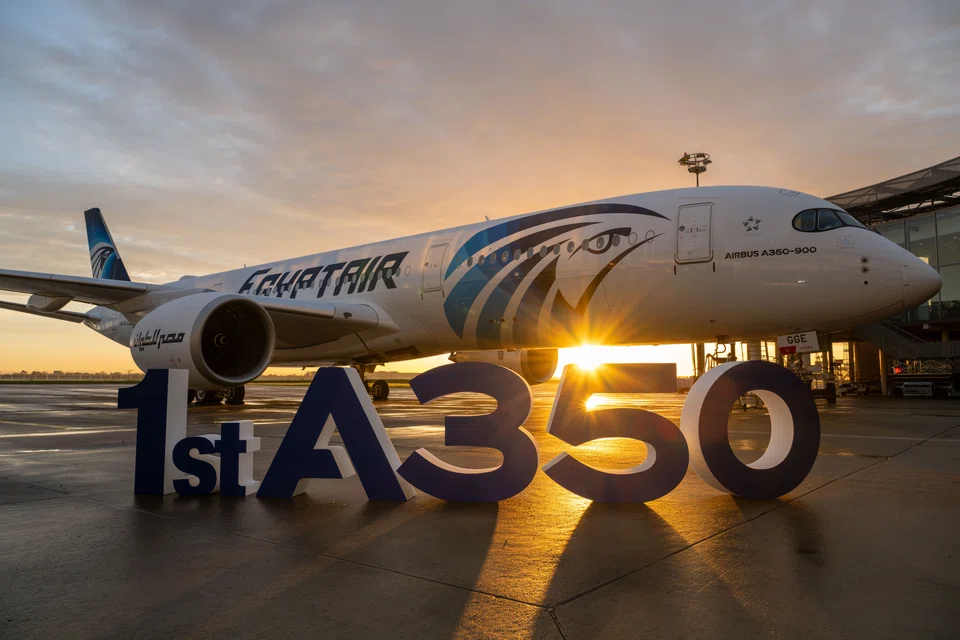
[SINGAPORE] The Singapore-Sydney air corridor is set to gain a sixth operator by early 2027, as EgyptAir joins a multi-carrier push that is adding seat capacity to one of the Asia-Pacific’s most lucrative long-haul routes.
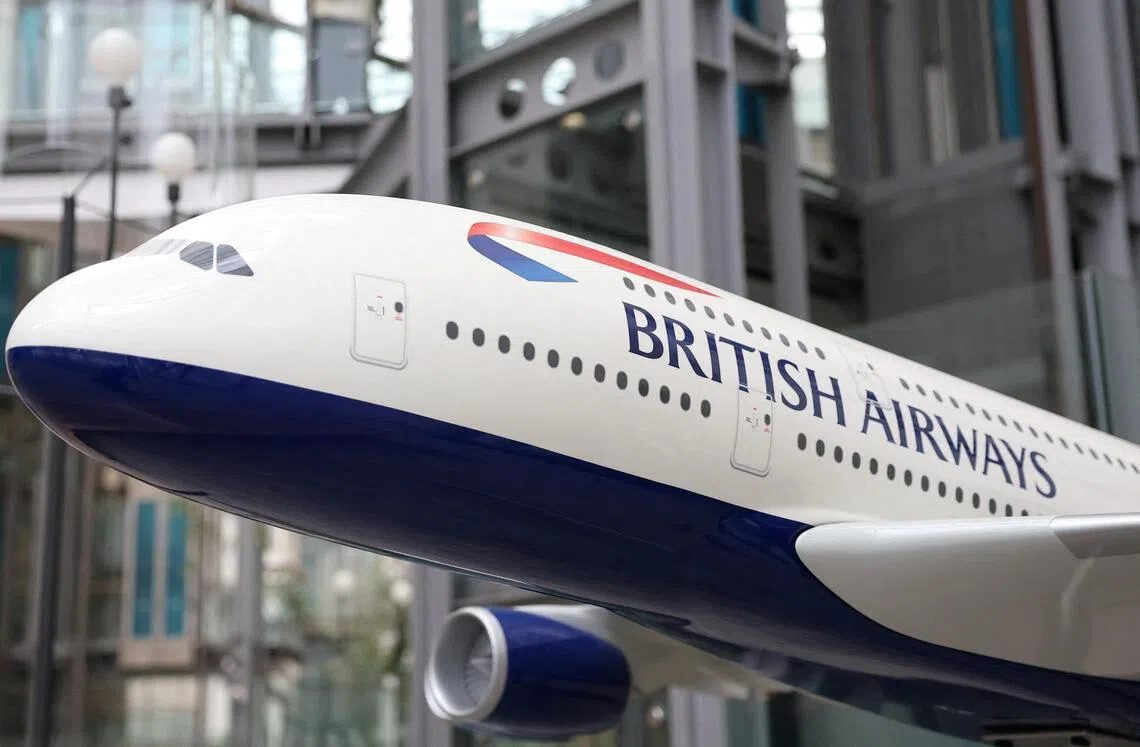
The North African carrier will join British Airways and Turkish Airlines in offering fifth-freedom flights between the two cities, competing directly against home market operators Singapore Airlines ( SIA ), its low-cost subsidiary Scoot, and Qantas.
A total of 67 weekly flights currently connect the hubs, according to travel data provider OAG. Fifth-freedom rights allow an airline to fly between two foreign countries even though the flight originates or ends in the airline’s home country.
The influx follows moves by airlines to load unprecedented capacity onto the route in a 12-to-18-month window.
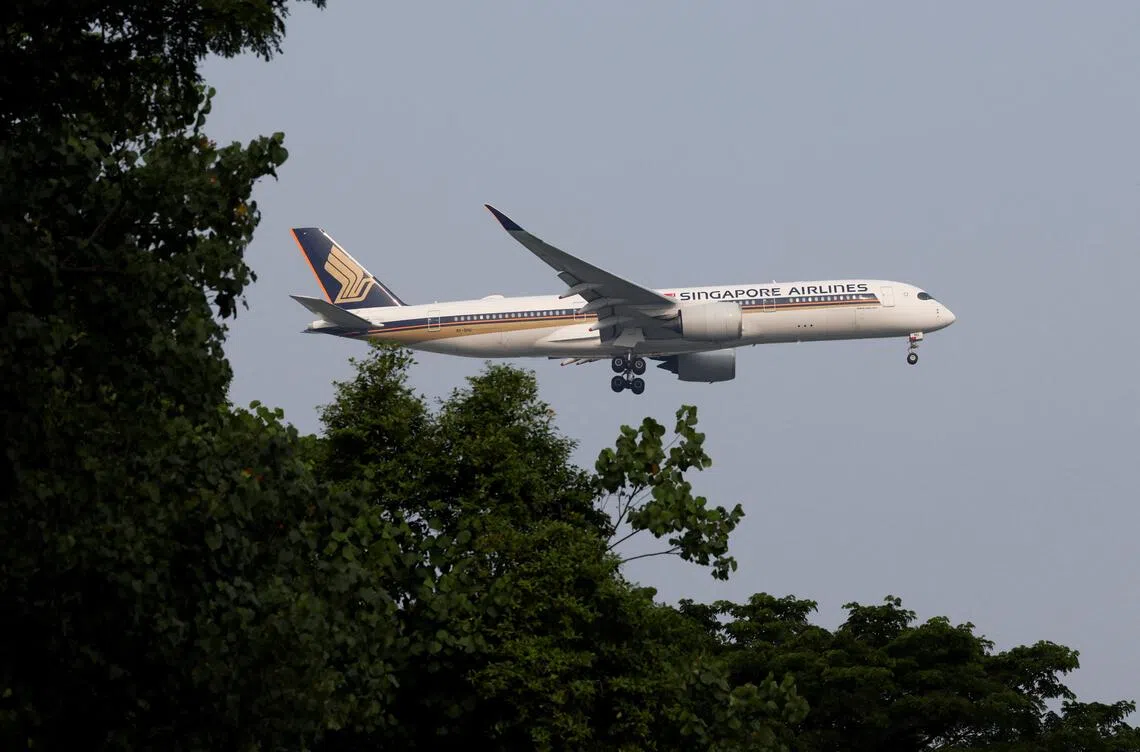
SIA is offering a record seat count to Sydney alongside a new service to Western Sydney International Airport, while Qantas is up-gauging six of its weekly rotations to four-class Airbus A380s in December. Turkish Airlines is scheduled to launch its own fifth-freedom A350 service via Singapore in October.
“The demand signal is unambiguous,” said Mayur Patel, head of Asia at aviation consultancy OAG, noting that Sydney will receive a fourth daily A380 flight between SIA and Qantas by year-end.
“That’s a market pulling premium leisure, visiting friends and relatives and corporate traffic in volume.”
Network by-product
EgyptAir’s expansion, however, is not designed to capture latent Singapore-Sydney travel demand, which analysts view as mature.
Instead, it is a by-product of a broader network play to link Cairo with Australia, where New South Wales alone is home to more than 21,000 residents of Egyptian heritage.
Point-to-point business travel between Cairo and Singapore remains thin. SIA operated flights to Cairo via Dubai for 30 years before pulling out in 2014 after point-to-point traffic dropped by 60 per cent.
“Cairo-Singapore alone doesn’t support a wide-body,” said Linus Benjamin Bauer, founder of aviation consultancy BAA & Partners, referring to aircraft with two aisles.
“EgyptAir needs the Sydney tag as a commercial sweetener to monetise spare capacity and improve the economics of a long rotation.”
Changi Airport on Thursday (Sep 10) said that demand for travel between Egypt and Australia, as well as South-east Asia, remains “robust and growing”, identifying Egypt as the largest unserved market in Africa for both Singapore and Australia in 2025.
EgyptAir did not immediately respond to requests for comment.
Insulated dominance
EgyptAir’s Airbus A350-900 will have 30 business and 310 economy class seats, adding about 90 to 120 business class seats per week each way. That represents a single-digit percentage increase against an existing weekly business seat capacity of more than 2,000 seats on the sector.
Both Patel and Bauer believe the threat to market leaders SIA and Qantas is negligible.
The carriers maintain deep corporate accounts, high flight frequencies and established loyalty programmes. Furthermore, EgyptAir’s two-class, alcohol-free cabin configuration poses little competitive challenge to SIA’s multi-class, high-yield product.
Instead, Bauer said, the pricing pressure will fall on fellow fifth-freedom operators British Airways and Turkish Airlines, which rely on intermediate travellers to fill residual seats.
“Fifth-freedom seats are priced to clear, so the fare impact will run ahead of the raw seat share,” he noted. “It compresses fifth-freedom leisure fares rather than destabilising the route’s overall fundamentals.”
The corridor will also see three Star Alliance members – SIA, Turkish Airlines and EgyptAir – competing head-to-head without a joint venture to coordinate capacity or pricing.
Patel said that rather than self-defeating cannibalisation, the overlap highlights Singapore’s broader aviation policy.
“Changi’s liberal fifth-freedom stance produces competition that intentionally cuts across alliance lines,” he added. “It reflects Singapore’s policy intent: prioritising hub connectivity over carrier protection.”
SkyTeam remains the sole global alliance absent from the Singapore-Sydney corridor.
Patel and Bauer believe a fifth-freedom entry from SkyTeam members remains unlikely due to network geometry. This is because the alliance’s major Asian and European carriers route Australia-bound traffic through their own primary hubs rather than South-east Asian waypoints.
Decoding Asia newsletter: your guide to navigating Asia in a new global order. Sign up here to get Decoding Asia newsletter. Delivered to your inbox. Free.
Copyright SPH Media. All rights reserved.
TRENDING NOW

Singapore expects all parties to honour commitments, says PM Wong after Indonesia cuts gas exports

Gas Supply may pursue remedies if contract breached following Indonesia’s export cuts: Tan See Leng

SoftBank’s Son plans US$50 billion Malaysia tech outlay: Anwar Ibrahim

Is Manila Asia’s new dining hot spot?

