Commodities slide may signal surprise inflation downturn in early 2023
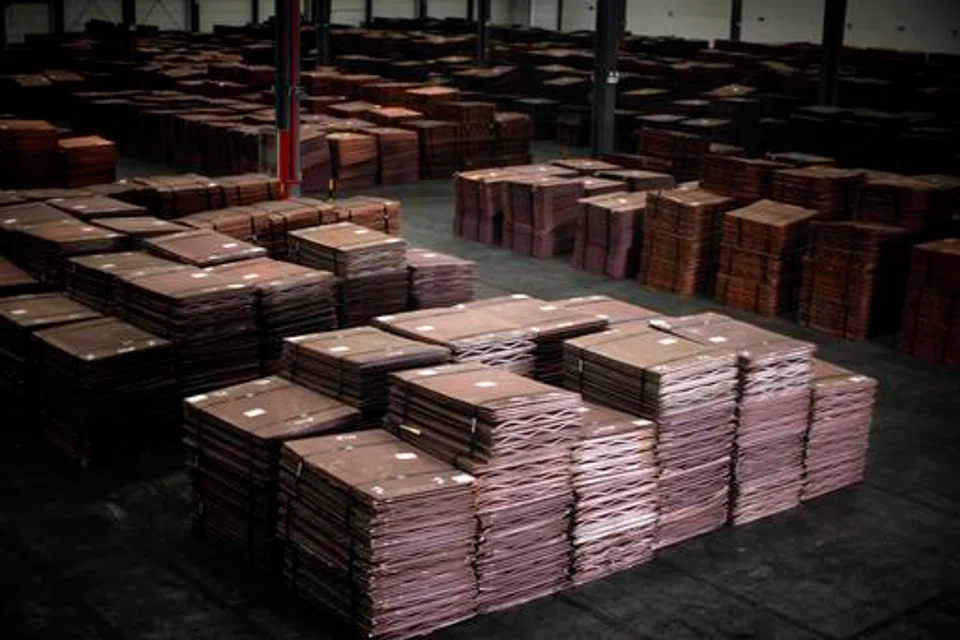
Commodity markets are indicating that global inflation will begin falling over the next six months, with prices of cyclical commodities - including copper, iron ore and agricultural produce like wheat and rice – have tumbled from their recent peaks.
Despite their rallies of late, oil and gas are well below their 2022 highs. This indicates that central bank monetary tightening and the jump in US and European interest rates are beginning to work.
Examining data of 20 different commodities on Chicago, New York and London stock exchanges, the worst cyclical slides were lumber which slumped by 74 per cent, iron ore by 51 per cent, aluminium and palladium by 45 per cent, cotton by 43 per cent, zinc by 41 per cent and copper by 25 per cent. The declines came from their heady peaks over the past two years or so as the Covid-19 pandemic caused massive shortages, with Goldman Sachs and other investment banks promoting commodities as an investment.
When China cut its demand heavily, many investors and speculators began to bail out and this caused prices to fall further. The war in Ukraine caused some volatility this year, although there have been reports suggesting that Russia – despite the sanctions imposed by much of the rest of the world – has managed to sell its oil, gas and metals directly to China and other countries in Asia.
The question now is whether a global recession is already factored into commodity prices going forward. If the Ukraine war drags on for several more months, this will also continue to disrupt supplies and cause periodic rallies.
“The key period will be the first quarter of 2023 when the US economy will be in recession,” said Simon Hunt, a global copper analyst and economist at UK-based Simon Hunt Strategic Services. “This is when the US Federal Reserve may be forced to revert to monetary easing to counter a deep slump.”
He warned that the repercussions would be far-reaching.
“The US dollar will start falling sharply; equities and commodities will begin to recover; oil and gas prices will surge again possibly because of more supply disruptions. Inflation, after some correction over the winter, will start rising again,” he said.
How China’s economy – the second-largest in the world – performs will also be key. Iron ore prices, for example, have slumped to a three-year low because supplies are outstripping demand. China is building fewer new homes and Beijing’s zero-Covid policy has cut demand for steel. China’s property market accounts for roughly a third of global demand for iron ore, according to a recent report by investment bank Jefferies.
Senior executives at US grain companies Cargill and United Grain Corp said that their exports were lower this year because major importers like Thailand and the Philippines are buying less wheat. Higher prices and the strong US dollar have dented demand, they said.
Decoding Asia newsletter: your guide to navigating Asia in a new global order. Sign up here to get Decoding Asia newsletter. Delivered to your inbox. Free.
Share with us your feedback on BT's products and services