

Climate change is driving record heat in Europe’s seas: scientists
Sharon Lee
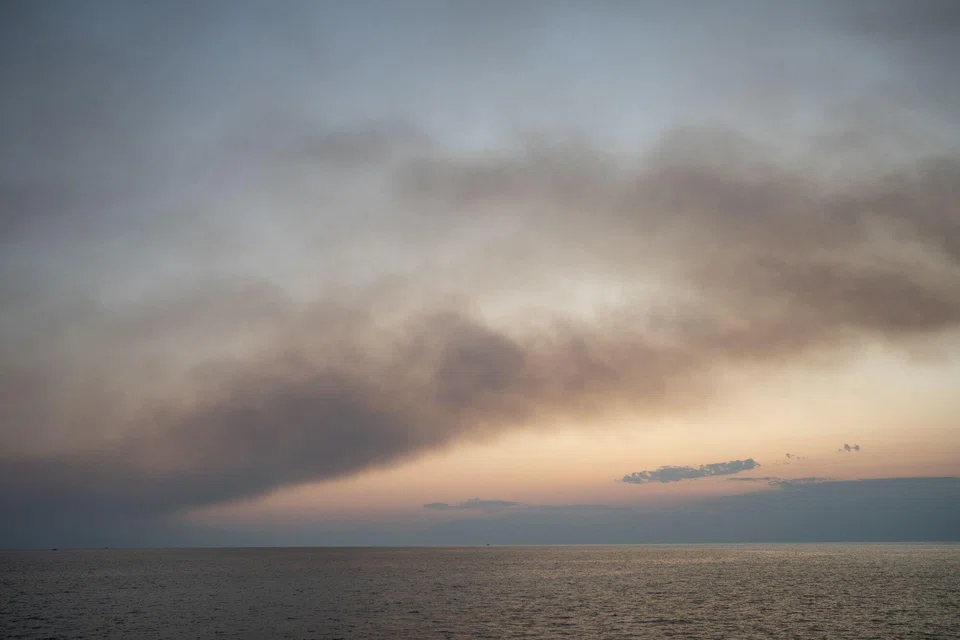
[BRUSSELS] Human-caused climate change was the main driver of recent record-breaking sea temperatures around Europe, scientists said on Wednesday (Aug 19), warning of severe consequences for marine ecosystems and coastal communities.
Europe’s seas have not escaped the extreme heat that many countries have endured this summer. Last month, the average temperature in the Mediterranean was 27 deg C, the highest for any July on record, while an offshore buoy near Mallorca recorded 33 deg C in early August.
Human-caused climate change has added about 2 deg C of warming to the Mediterranean and around 1.4 deg C to Western European seas, according to an analysis by the World Weather Attribution (WWA) group, which uses peer-reviewed methods to assess global warming’s role in extreme weather events.
“This has the potential to completely reshape ecosystems that coastal communities rely on for food and income, and drive damaging extreme weather on land too,” said Claire Bergin, a climate scientist at Ireland’s Maynooth University and a co-author of the study.
The analysis found that peak sea temperatures recorded this year in the eastern and western Mediterranean and along the Bay of Biscay and Iberian coast would have been “virtually impossible” without human-caused climate change.
In the Celtic Sea, off Britain and Ireland, the most extreme temperatures recorded would have been expected only about once a century in a world without human-caused climate change, it found.
Hotter seas increase humidity and overnight temperatures in coastal areas and can help fuel intense storms later in the year.
Greenhouse gas emissions, mainly from burning fossil fuels, have raised the planet’s average temperature to around 1.4 deg C above pre-industrial levels, according to the World Meteorological Organization.
This hotter baseline means the high-pressure atmospheric systems that cause heatwaves can reach higher temperatures.
SEE ALSO




Sea temperature spikes can cause mass die-offs of species such as corals and disrupt food supplies for birds and mammals, with knock-on effects through food chains.
John Bruno, a marine ecologist at the University of North Carolina, said some species were moving north to seek cooler waters, but not all could adapt.
“We are rapidly approaching the absolute biological limits of adaptation for many species,” he said.
According to the WWA analysis, about 90 per cent of the Bay of Biscay and 80 per cent of the western Mediterranean have experienced marine heatwave conditions this year. Without global warming, that figure would have been closer to 40 per cent. REUTERS
Decoding Asia newsletter: your guide to navigating Asia in a new global order. Sign up here to get Decoding Asia newsletter. Delivered to your inbox. Free.
Share with us your feedback on BT's products and services
TRENDING NOW

DBS, OCBC, UOB rout lops billions off STI as inflation, rate concerns spook investors

Grab CEO’s wife Chloe Tong on life with Anthony Tan and finding her purpose

OCBC sheds S$8 billion in value as shares close nearly 6% down; analysts cautious on banks

Deal between tycoon friends sparks scrutiny of Philippine power sector

