

Demand for carbon credits may climb if Middle East war drags on
Already, some parts of the world are bracing for fuel-switching to coal
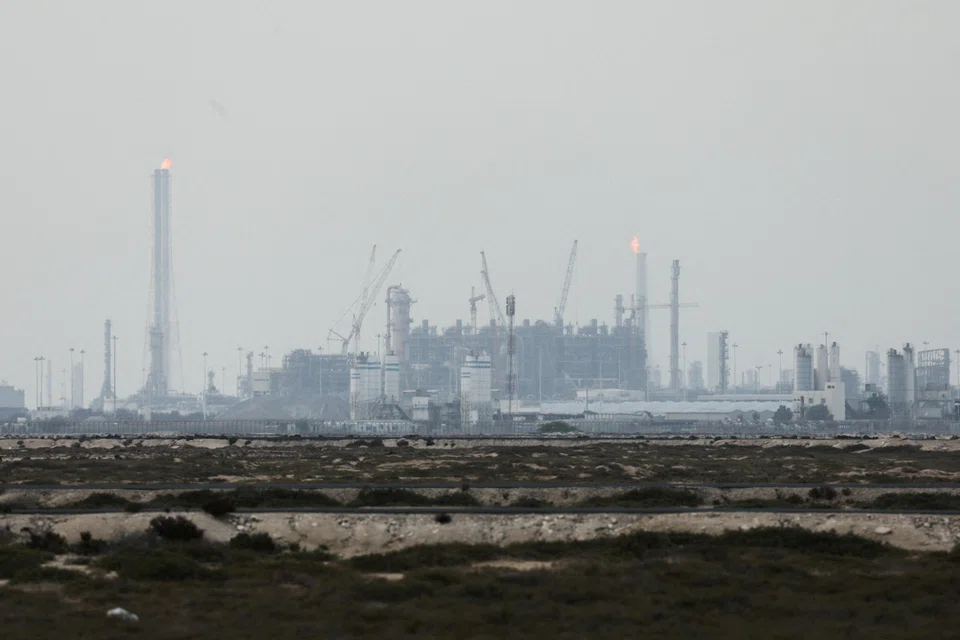
[SYDNEY] A protracted war in the Middle East could lift demand for carbon credits in the compliance market, if ongoing disruptions to liquefied natural gas (LNG) supplies compel industries to turn to cheaper, higher-emission fuels.
Utilities and other major users may consider switching to coal if LNG remains backed up due to air strikes and the effective blockage at the Strait of Hormuz, a key transit point, according to Camille Wee, a BloombergNEF analyst. She noted this also happened when the Russia-Ukraine war broke out in 2022 and upended energy markets.
Already, some parts of the world are bracing for fuel-switching. Taiwan is considering raising production at coal-fired facilities while Italy is keeping its plants in “cold reserve” as a precaution.
Such moves would drive up pollution and may lead to a spike in demand for compliance credits in the future, especially as emissions regulations tighten across the Asia-Pacific, Wee said.
Higher gas prices may also incentivise LNG producers to ramp up production, further releasing greenhouse gases, she added.
The US-Israeli war against Iran has forced the shutdown of the world’s largest LNG plant in Qatar, a country that churns out 20 per cent of global output. Its suspended production has already unsettled some gas-consuming industries in Asia.
“The ultimate impact on compliance markets will depend heavily on the duration of the energy disruption and whether regional regulators intervene to adjust compliance caps,” said Thomas McMahon, co-founder and co-CEO of AirCarbon Exchange.
Meanwhile, the voluntary market, where companies buy carbon allowances to meet their own climate goals, may see a dip in buying activity, McMahon noted.
“Any resulting increase in operating costs from an energy crisis might temporarily constrain corporate discretionary spending on voluntary offsets,” he pointed out, adding that firms may re-evaluate buying timelines, emissions forecasts and hedging strategies. BLOOMBERG
Decoding Asia newsletter: your guide to navigating Asia in a new global order. Sign up here to get Decoding Asia newsletter. Delivered to your inbox. Free.
Share with us your feedback on BT's products and services
TRENDING NOW

ComfortDelGro appoints two new independent directors

Once staunchly pro-China, Malaysian Chinese businesses are now distancing themselves from Beijing

NoonTalk needs continued financial support from CEO Dasmond Koh, auditors warn

DP Architects sets the benchmark for sustainability disclosure and design

