

Entrepreneur Susan Chong is growing the farms of the future
Greenphyto’s sustainable agritech aims to safeguard food supply
Annabeth Leow
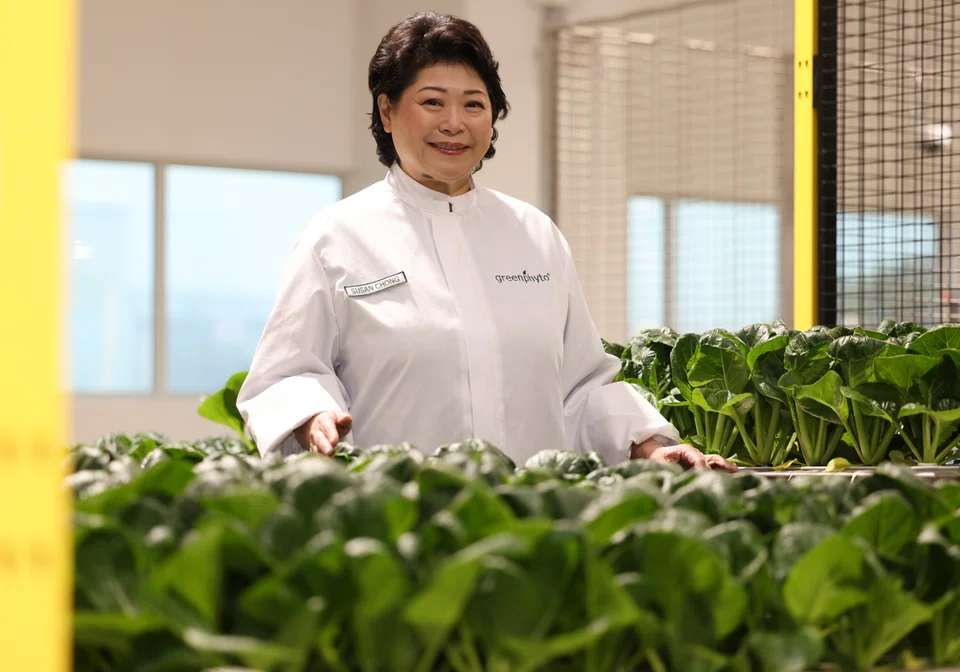
[SINGAPORE] Food security is top of mind for Susan Chong, founder and chief executive of Greenphyto – the agritech startup behind Singapore’s tallest indoor hydroponics farm.
Her faith in the potential of a more innovative agricultural sector led her to set up Greenphyto in 2014. Dubbing this model “precision agriculture”, she said: “We are redesigning food systems to be climate-independent, data-driven, and structurally resilient.”
For her work, Chong – a veteran entrepreneur and the former CEO of homegrown sustainable packaging company Greenpac – has now been named Impact Leader of the Year (Individual) at The Business Times and UOB’s Sustainability Impact Awards.
As she sees it, vertical farming is not a mere “technological novelty”, but a structural solution to the problem of ensuring food security in the face of climate risk and an ageing workforce. “Under my direction, Greenphyto demonstrates how technology, governance, and environmental performance can converge to create scalable, replicable food infrastructure.”
Clean and green
At Greenphyto, Chong aims to show traditional farmers what’s possible with technology.
The company’s flagship farm in Jurong West, which opened in January 2026, fully automates the vegetable production process. With autonomous robots manoeuvring the seedlings and artificial intelligence (AI)-powered software monitoring crop conditions, human labourers have to step in only after conveyor belts deliver the greens for harvesting and packaging.
And, by stacking vegetable racks on growing towers that are each more than 23m high, the company is able to deliver an outsized impact – on just 0.5 ha (53,820 sq ft) of farming area.
The farm’s operations are directed towards ambitious sustainability goals that Chong called non-negotiable. These include expanding renewable energy use by 30 per cent by 2026, cutting carbon intensity by 30 per cent by 2027, and hitting net-zero emissions by 2030.
Energy-efficient LED lighting and closed-loop hydroponics are keeping Greenphyto on track to meet its targets, while industry certifications help hold the company to high standards.
SEE ALSO




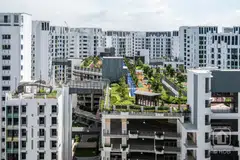
For instance, the vertical farm has achieved GoldPlus status under the Building and Construction Authority’s Green Mark Scheme – for green building features such as water efficiency and intelligent facilities management systems.
Separately, Greenphyto has attained the Singapore Food Agency (SFA) 3-Star SG Fresh Produce badge – the highest tier of accreditation available.
This badge attests that produce is grown in local farms that not only meet the Good Agricultural Practice standard but are also resource efficient and generate minimal waste.
As Chong explained, embedding sustainability in the farm’s operations simply makes good business sense: “The more efficient it is, the less energy you use, the cost is going to be cheaper. Then we can do an even better job getting the vegetables to the masses.”
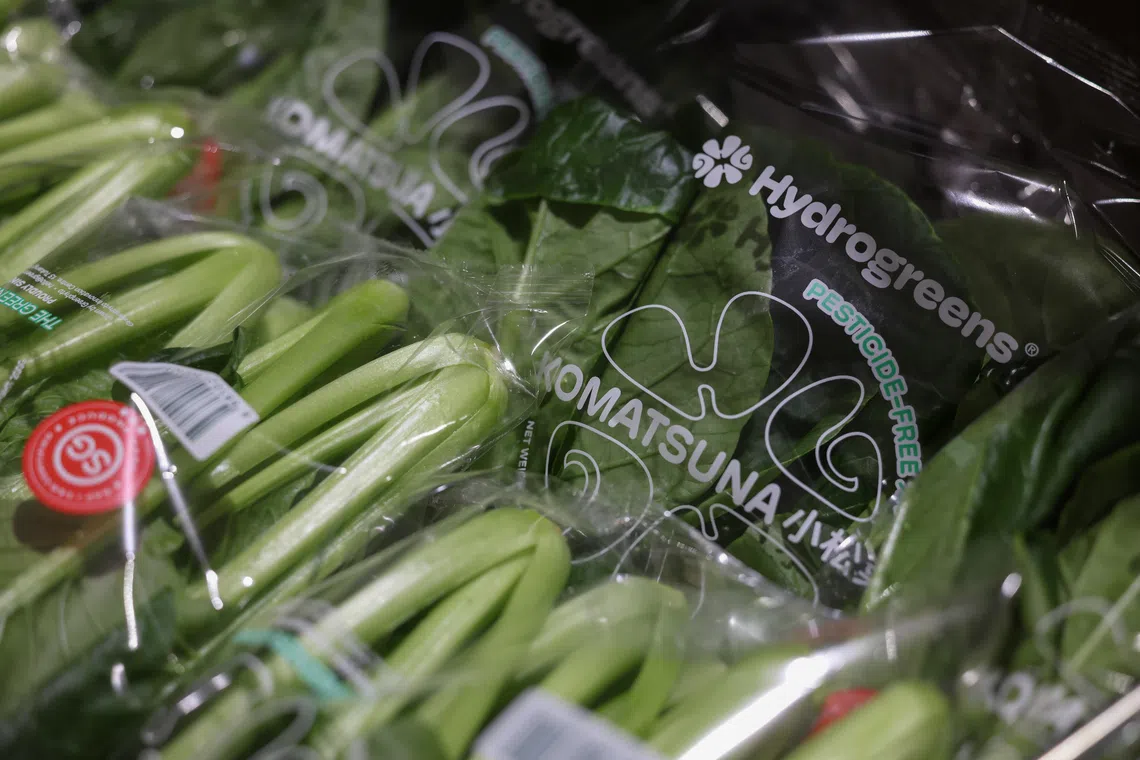
The farm can yield 2,000 tonnes of produce annually when running at full capacity – but it grows crops only to fulfil confirmed orders, to avoid overproduction and minimise waste.
Nai bai, kai lan and baby spinach are among the vegetables available under Greenphyto’s Hydrogreens brand, which is carried locally by retailers such as FairPrice, Cold Storage, Sheng Siong and RedMart, and across the Causeway by Malaysia’s Village Grocer chain.
The business is still loss-making, but Chong expects the farm to break even by the end of 2026.
She stressed that Singapore will remain its core market, with just “a little bit of diversification” into international exports as a form of business derisking.
While Chong considers her vegetable prices comparable to those of conventional local farms’, she told BT that she fundamentally aims to compete on quality: “We emphasise food safety. That means pesticide-free, better nutrition, and all that.”
Sharing is caring
Greenphyto’s S$80 million farm is a showstopping proof of concept for Chong, who told BT: “We needed to show people that we can do it and it’s commercially viable. Imagine if I’m going to sell a technology that no one has used. People will not be convinced.”
Yet the core of the business is not the farm’s vegetable produce but its tech capabilities.
“The growth plan is really to globalise our technology,” said Chong, whose dream is for Greenphyto to build “a replicable blueprint for climate-resilient food systems”.
To that end, her commercial strategy involves positioning the company – which already has 74 patents under its belt – as a full turnkey solutions provider for the agriculture sector.
On top of its regional sales office in Malaysia, Greenphyto also set up shop in the Netherlands in 2025 to market its farming technology in Europe.
Closer to home, the company is working with the SFA to develop a commercial software-as-a-service tech platform that can be rolled out at other local farms.
And it is looking to leverage its in-house know-how of tools such as autonomous mobile robots and AI by tying up with organisations in other sectors as well.
When asked whether such partnerships could come at the cost of Greenphyto’s edge in intellectual property, Chong demurred, saying: “It’s a platform game. They can continue to do whatever they are doing. We just help them to collect data to be more efficient.”
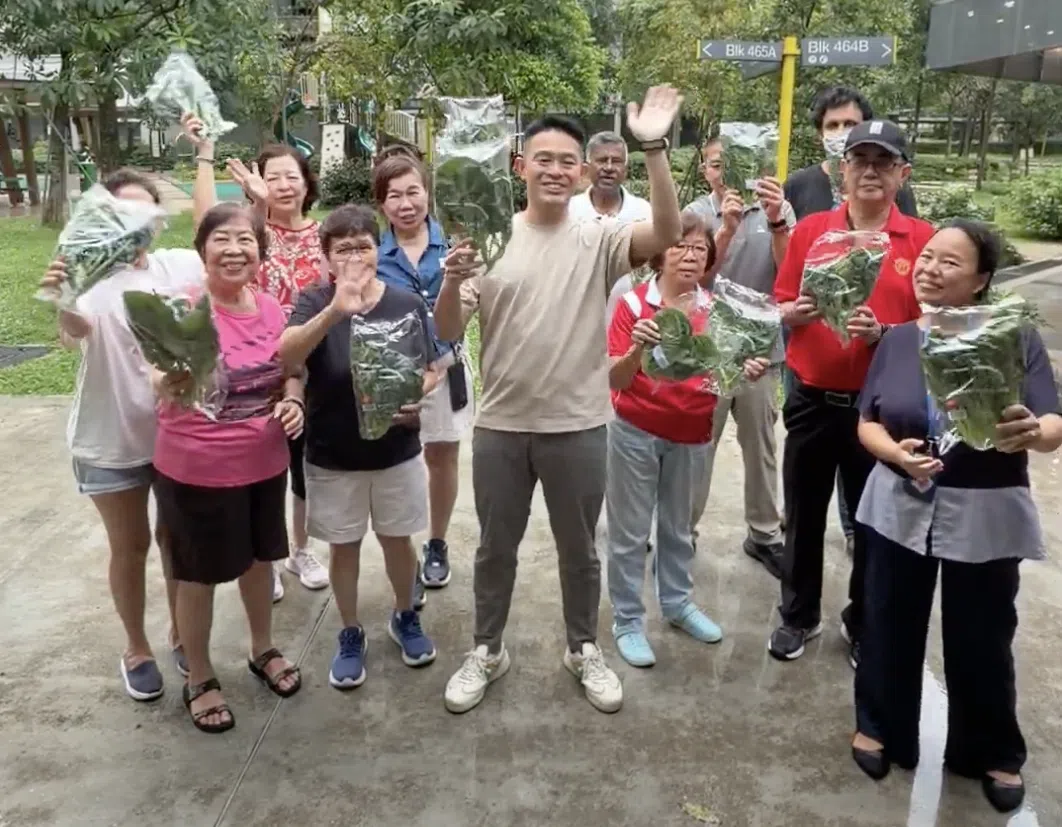
Greenphyto was recognised by the National Volunteer and Philanthropy Centre in 2025 for its social impact and its clear plans to scale its corporate commitment to doing good.
Besides scouting for opportunities to collaborate in the industry, Chong also feels strongly about being able to give back to society by donating farm produce to families in need – because, she firmly asserted, “everybody deserves good, healthy nutrition”.
Noticing that donation drives typically distribute dry rations such as rice and Milo, Chong wanted to put a different food group on beneficiaries’ tables.
The company has partnered community organisers to give out packs of vegetables as part of its Circular Community Programme, with some 219,000 families benefiting to date.
“This is very well received,” Chong observed. “They enjoy the fresh vegetables.”
Worker safety is also a priority – Greenphyto logged nearly 121,340 man-hours without time lost to injury in 2025. Chong attributed the zero-injury workplace to the use of advanced technology and added that this metric sets a benchmark for “safe, intelligent manufacturing”.
Agriculture for tomorrow
Indoor farms have been around for years, but Chong hopes that Greenphyto can offer a blueprint for more efficient production in an environment unaffected by rising temperatures.
“If you come to the farm, you see a lot of young people… You’re actually helping them to upskill using technology tools,” she added.
Indeed, Chong – who has served on the board of the former SkillsFuture Singapore agency – is passionate about continually advancing “green and future-ready skills”.
Greenphyto’s skills development programme for staff includes structured training in areas from agronomy – the science of crop production – to automation, AI and data analytics.
With many agricultural workers getting on in years, she also sees technological innovation as critical for transforming a traditionally labour-intensive sector.
“We are not here to replace farmers. We want to upskill the farmers of the next generation,” she told BT. “We can provide them with the equipment, with the right tools.”
Challenges such as land scarcity, climate vulnerability and reliance on imports call for “a fundamentally different approach to agriculture” for a sustainable future, noted Chong.
In that light, Greenphyto’s initiatives have shown her that food security, resource efficiency and social equity “are not competing priorities – they are scalable together”.
Decoding Asia newsletter: your guide to navigating Asia in a new global order. Sign up here to get Decoding Asia newsletter. Delivered to your inbox. Free.
Share with us your feedback on BT's products and services
TRENDING NOW
Companies still in search of AI use cases with worthwhile ROI, says Broadcom’s CEO
Malaysian king buys stake in Singapore-listed mining firm expanding into rare earths

Once staunchly pro-China, Malaysian Chinese businesses are now distancing themselves from Beijing

Singapore’s wealth management success should extend to everyday families

