Three hats, one goal: How Ng Kian Swan runs sustainability at NUHS
He holds three different titles, but treats them as one job to make the health system run cleaner, without patients ever noticing the difference
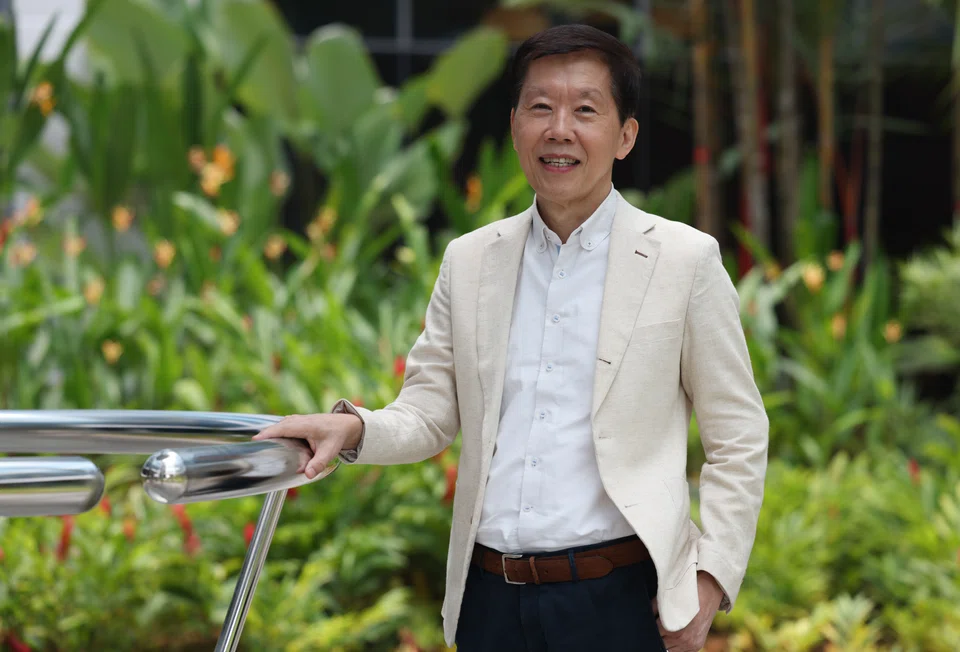
[SINGAPORE] Ng Kian Swan is chief operating officer (COO) for group facilities management, security and emergency planning, chairs the energy & water taskforce, and is chief sustainability officer (CSO) for Ng Teng Fong General Hospital (NTFGH) and Jurong Community Hospital (JCH).
Facilities cover the buildings and equipment that use the energy and water. The taskforce chair ensures the same changes across the National University Health System (NUHS). The CSO title is where it all connects. Ng clinched the Impact Leader Excellence Award (Individual) at this year’s Sustainability Impact Awards.
“The climate crisis is also a health crisis,” Ng said, pointing to the rise in heat and respiratory-related illness, and extreme weather that can knock out hospital infrastructure altogether. “Sustainability cannot be driven by facilities alone,” he said.
The projects that actually worked, he said, came from clinicians, nurses and infection-control teams sitting down with his team, not one department going it alone.
Ng was part of the team that designed Khoo Teck Puat Hospital, and later NTFGH and JCH, building energy and water efficiency into the buildings.
One of the priorities from the start, he said, was hospitals that were “smart, green and sustainable, energy and water-efficient facilities that also provided a healing environment for patients, staff and members of the public.”
NUHS has carried out a lighting overhaul, 63,000 bulbs replaced for annual savings of 3.61 million kWh and S$1.08 million, a smarter operating theatre programme covering 52 theatres that saves 1.88 million kWh and S$682,000 a year, ageing MRI scanners upgraded instead of thrown out, cutting electronic waste, dialysis wastewater recovered instead of drained, saving roughly nine million litres of potable water a year, and, most recently, a waterless intensive care unit (ICU).
In 2024, infection prevention, ICU, nursing and facilities teams at NTFGH asked whether every intensive care room needed a sink, since sinks and drains become reservoirs for bacteria. Ng’s taskforce worked with them to convert 44 of the 74 adult ICU rooms into a hybrid hand hygiene model, with alcohol-based rub at the bedside. Sinks were kept only at fixed points outside patient rooms.
This was the first initiative of its kind in Singapore. It now saves about 1.9 million litres of water and 17,600 kWh a year. Extending it to the remaining 30 rooms is next. “Good healthcare design can simultaneously improve patient safety and environmental sustainability,” he said.
SEE ALSO












Across NUHS, those efforts add up. Energy use is down 4 per cent against baseline, saving 6.8 million kWh a year. Water use is down 30 per cent, saving 716 million litres.
Scope 2 carbon emissions peaked in 2023, five years ahead of the health system’s 2028 target.
Ng won’t take individual credit for any of it. “It would be very difficult for me to single out one person because sustainability is truly a collective effort,” he said, pointing to facilities staff, nurses, infection prevention specialists and administrators “who work quietly behind the scenes”.
Ng wants NUHS to hit its 2030 energy and water targets and keep pursuing Green Mark Platinum recognition across its hospitals, building on the BCA Green Mark 2021 In-Operation Platinum Super Low Energy rating that NTFGH and JCH already hold. He also wants to support the development of the new Alexandra Hospital and Tengah General Hospital as smart, green and sustainable facilities.
Beyond the targets, he said, the harder task is cultural, “to groom and nurture more environmental stewards across NUHS and make sustainability intrinsic to the way we think, make decisions and work every day”.
Decoding Asia newsletter: your guide to navigating Asia in a new global order. Sign up here to get Decoding Asia newsletter. Delivered to your inbox. Free.
Share with us your feedback on BT's products and services