

UOL sees sustainability as long-term business commitment, not compliance exercise as industry faces climate risks
The property group is embedding sustainability into its buildings, with chief executive Liam Wee Sin stressing that long-term impact starts with decisions made at the design stage.
Jermaine Fok
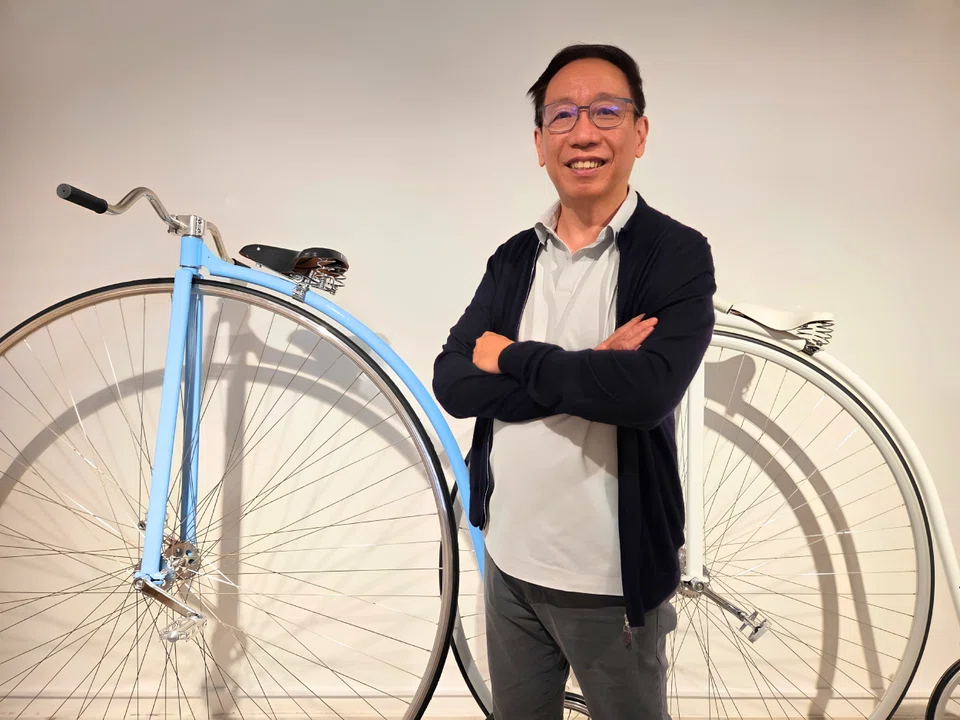
[SINGAPORE] UOL is embedding sustainability into its property and hospitality businesses as it seeks to build assets that can withstand growing climate risks over the long term.
The property group’s chief executive Liam Wee Sin told The Business Times that sustainability starts with decisions made at the design stage, particularly in a sector where buildings can stand for decades.
“Property and hospitality are long-term businesses. Good office and hospitality buildings should respond to their environment and improve the way people experience them,” he said.
“Buildings can stand for 50 years or more, so the decisions taken at the design stage carry consequences long after the doors open.”
Liam clinched the Impact Leader Excellence Award under the individual category, presented by The Business Times and UOB, for his efforts to make sustainability part of UOL’s business.
The approach dates back more than two decades to projects such as Newton Suites, where the property group introduced sky gardens, natural ventilation and extensive greenery before buyers were actively looking for such features.
The rationale was to design buildings that work with Singapore’s climate rather than against it, reducing the energy required to keep them comfortable while making them more resilient to rising utility and carbon costs.
As climate change brings higher temperatures and more extreme weather, Liam said this approach has become increasingly relevant.
“Buildings need to be not only greener, but more resilient and more comfortable for the people who use them,” he said.
SEE ALSO









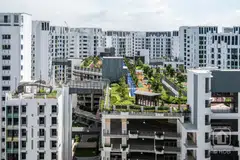
UOL has since carried the philosophy across its property and hospitality portfolio.
The “hotel-in-a-garden” concept was demonstrated at PARKROYAL COLLECTION Pickering, where UOL showed how biophilic design could be incorporated into a dense urban environment by bringing greenery into the architecture and guest experience.
The ethos has since been extended to selected Pan Pacific hotel group properties in Kuala Lumpur and China.
UOL is now taking a broader approach to sustainability through placemaking, Liam said.
With the NoMad hotel slated to open in the last quarter of this year, the focus extends beyond sustainable design to bringing together hospitality, local culture, art and community.
“Sustainability, for us, has evolved from creating greener buildings to creating more inclusive, connected and vibrant places,” he added.
The company is also seeking to make sustainability part of everyday business decisions.
“Sustainability can still be seen as an additional cost or another requirement to fulfil,” Liam said.
“Good sustainability decisions can also strengthen the business – through better design, lower operating costs, stronger asset resilience and greater long-term value,” he added.
This thinking extends to construction innovation.
UOL has used prefabricated prefinished volumetric construction at projects including The Clement Canopy and Avenue South Residence, which can improve productivity and construction quality while reducing reliance on on-site manpower.
UOL’s sustainability efforts also extend to communities through partnerships with organisations including ART:DIS.
Through these initiatives, UOL has supported opportunities for local artists, including artists with disabilities. It has also supported Rainbow Centre’s Artability programme, which helps young students with disabilities develop their artistic abilities.
The programme aims to address the gap that can emerge when students leave school, when the structured support and opportunities available to them can fall away quite sharply. It also creates a pathway towards ART:DIS’ artist-in-training programme and professional careers.
“Ultimately, legacy is not about one building, one award or one person. It is about leaving behind a culture that continues to create value while shaping a more sustainable future for the generations that come after us,” said Liam.
Decoding Asia newsletter: your guide to navigating Asia in a new global order. Sign up here to get Decoding Asia newsletter. Delivered to your inbox. Free.
Share with us your feedback on BT's products and services
TRENDING NOW
Malaysian king buys stake in Singapore-listed mining firm expanding into rare earths

Grab CEO’s wife Chloe Tong on life with Anthony Tan and finding her purpose

Once staunchly pro-China, Malaysian Chinese businesses are now distancing themselves from Beijing
Longer wait times expected as S’pore healthcare institutions report system disruptions

