



ADB raises South-east Asia growth outlook as AI boom offsets energy and El Nino pressures
Region is expected to expand 4.7% in 2026, 4.9% in 2027, despite renewed geopolitical, energy-market stresses

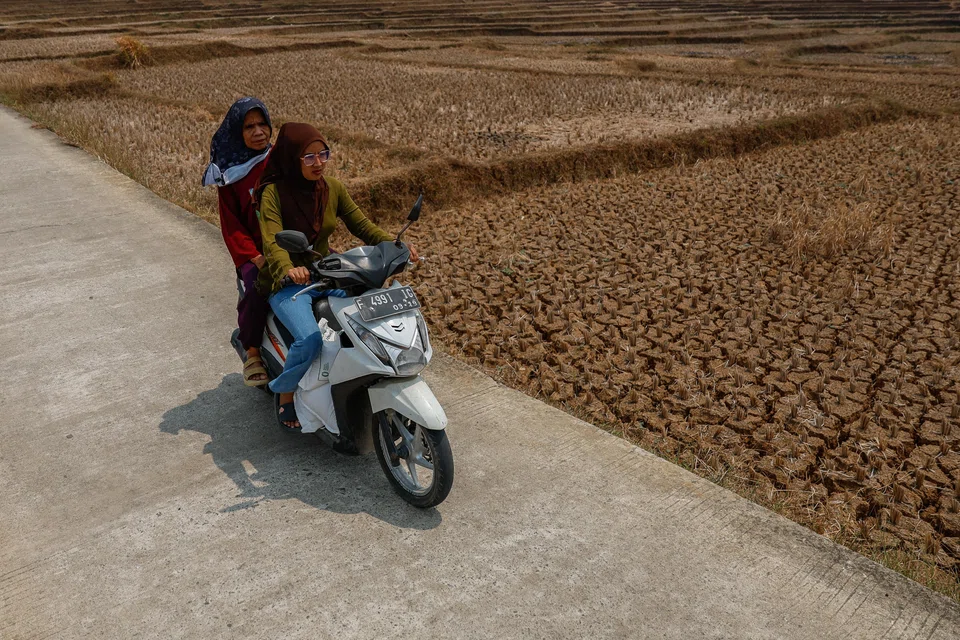
[SINGAPORE] Even amid persistent energy disruptions and an intensifying El Nino, economists from the Asian Development Bank (ADB) expect that strong technology exports and investment will lift growth prospects in developing South-east Asia.
On Wednesday (Sep 23), ADB raised its growth forecasts for the region in an update to its flagship Asian Development Outlook report.
The multilateral lender projected developing South-east Asia to grow 4.7 per cent in 2026, up from its 4.6 per cent forecast in July; and 4.9 per cent in 2027, versus 4.8 per cent previously. Growth for the broader Asean grouping (which includes Singapore) is forecast at 4.7 per cent for both years.
The upgrades come even as prolonged conflict in the Middle East and the re-escalation of the Russia-Ukraine war keep energy costs elevated, while an intensifying El Nino threatens to push up food prices and disrupt agriculture and power generation.
Strong demand linked to the artificial intelligence boom has provided a key counterweight, particularly for the region’s technology exporters.
“Net exports remained resilient, supported by demand for electronics and AI-related products,” ADB chief economist Albert Park said at a media briefing prior to the release of the report.
“The region has really benefited from the AI boom because most of the hardware – the semiconductor chips, the materials that go into data centre construction – are produced in the Asia-Pacific.”
Dr Park noted that tech demand and investment contributed significantly to growth in Malaysia and Thailand.
Malaysia received one of the larger upgrades, with growth now expected at 4.9 per cent in 2026 and 4.7 per cent in 2027, compared with 4.6 and 4.5 per cent, respectively, in July.

Vietnam’s forecasts were also raised sharply, to 7.8 per cent this year from 7.2 per cent previously, and to 7.6 per cent in 2027 from 7 per cent, supported by stronger investment and fiscal stimulus.
Thailand’s 2026 forecast was lifted to 2 per cent from 1.8 per cent, although its 2027 projection was trimmed slightly to 1.9 per cent from 2 per cent. Indonesia’s growth outlook was left unchanged at 5.2 per cent for both years.
Meanwhile, the Philippines’ 2026 growth forecast was cut to 3.3 per cent from 3.8 per cent, while the 2027 projection was lowered to 5.1 per cent from 5.3 per cent.
For developing Apac as a whole, ADB raised its 2026 growth forecast by 0.1 percentage point to 5 per cent, while retaining its 2027 projection at 5.1 per cent.
El Nino
But the multilateral lender said the balance of risks remained tilted to the downside, given the energy shock overlapping with a stronger El Nino.
The Apac region is among the most exposed to macroeconomic losses from the weather phenomenon, with a heavy reliance on rain-fed agriculture, hydropower and climate-sensitive exports, the report noted.
ADB expects this year’s El Nino – which may become one of the strongest on record – to strengthen through late 2026 and peak around November. As its economic effects often arrive with a lag, the largest impact is expected in 2027, ADB noted.
“We would see countries heavily reliant on agriculture facing disproportionately higher risks,” said Roshen Fernando, an economist at ADB.
Agriculture is typically the first sector affected as lower rainfall hits crops – particularly rice yields in the Philippines and Vietnam, said the report.
Meanwhile, heat stress and reduced feed availability can affect livestock and fisheries, the economists said.
Economies with a high dependence on hydropower could face particularly large effects, while reduced water availability may also raise electricity-generation costs.
ADB noted that the shock is likely to feed into consumer prices with a delay.
The bank raised its inflation forecasts for developing South-east Asia to 4 per cent in 2026 and 3.3 per cent in 2027, from 3.9 per cent and 2.9 per cent, respectively, in July.
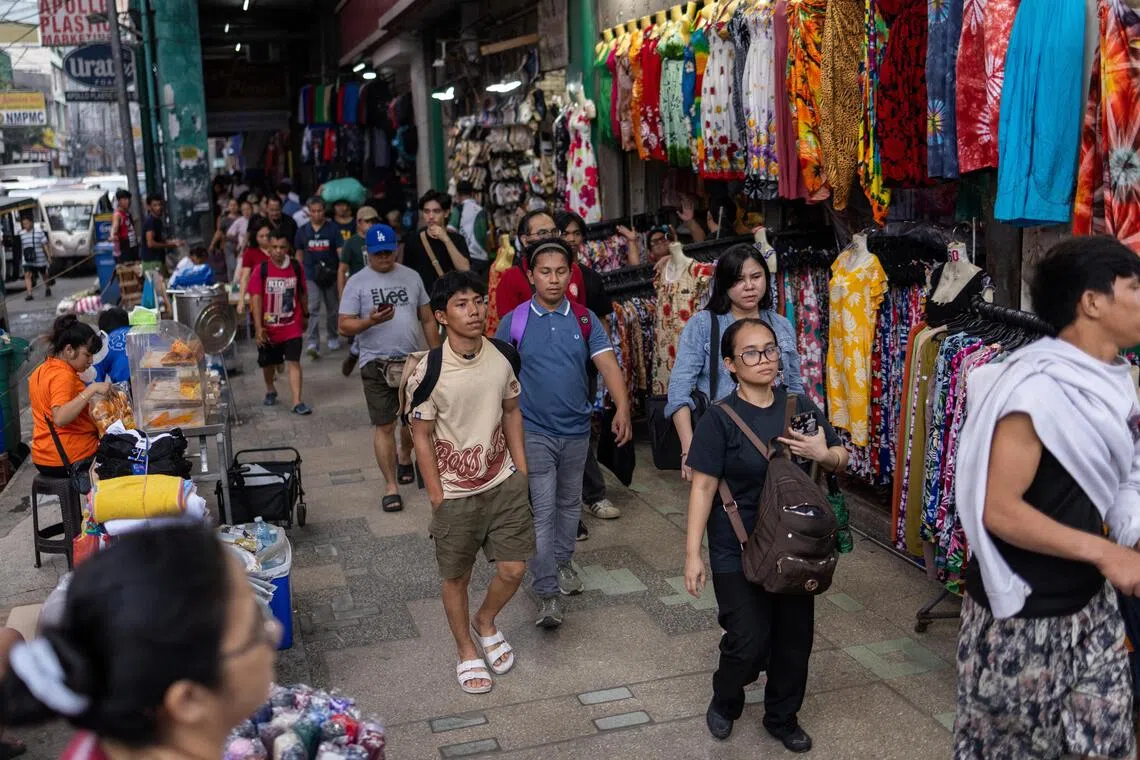
Energy markets are adding to those pressures. The lender is now projecting Brent to average US$90 a barrel in 2026 and US$78 in 2027, following renewed geopolitical tensions and supply disruptions.
Beyond crude oil, refined products have also been hit hard. Singapore spot prices for petrol, bunker fuel, jet fuel and diesel have risen faster than crude oil since the beginning of the Middle East conflict, the report noted.
Dr Park said that, to respond to such overlapping external shocks, governments across Apac should preserve fiscal space while targeting assistance towards vulnerable groups.
“We have been advocating that governments try to target fiscal and social assistance to the most vulnerable, and avoid eating up a lot of fiscal space through across-the-board subsidies,” he added.
Over the longer term, economies will need to reduce longer-term vulnerabilities by accelerating the shift towards renewable energy and maintaining sound public finances, giving governments and central banks more room to respond when the next shock arrives.
Decoding Asia newsletter: your guide to navigating Asia in a new global order. Sign up here to get Decoding Asia newsletter. Delivered to your inbox. Free.
Copyright SPH Media. All rights reserved.






