



French firm Carester to build rare earths separation plant in Malaysia’s Perak
The projects would see technology transfers from the rare earths specialist to local miner Malaco
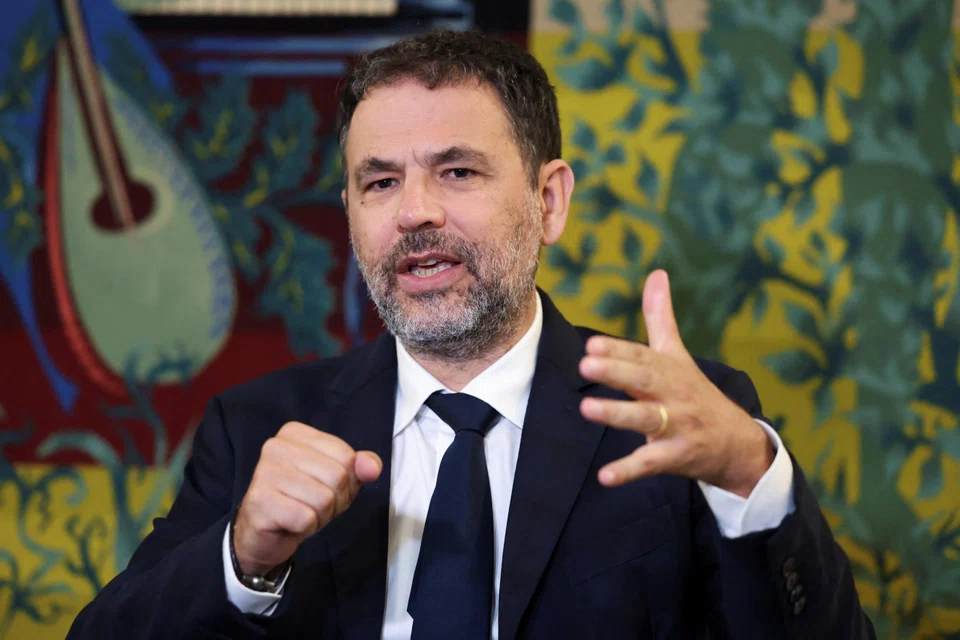
[KUALA LUMPUR] French company Carester plans to build a rare earths separation plant in Malaysia’s Perak state as part of its 10-year joint venture with local miner Malaco Mining Group, its chief executive said on Monday (Jul 6).
CEO Frederic Carencotte said the partnership was also seeking permission from local authorities to carry out rare earths mining via in-situ leaching in plantation areas in several Malaysian states, without identifying the locations.
The projects, first announced in January, would see technology transfers from the French rare earths specialist to Malaco and sharing expertise to ensure environmental compliance. “We can deliver technology up to full separation, and with an off-take of some concentrate to fill our plant in France,” Carencotte told a press conference in Kuala Lumpur.
Malaysia has been positioning itself as a potential hub for rare earths as Western countries seek to reduce their reliance on China, the world’s largest producer of the critical minerals used in the manufacturing of electric vehicles, smartphones and high-tech defence equipment. It has an estimated 274,144 tonnes of rare earths deposits across nine states, the environment ministry told parliament in January.
Carencotte declined to provide details on the projected costs or timeline of the mining and separation projects with Malaco, as they were still in early stages.


The planned separation plant would be able to process about 13,000 tonnes of rare earths annually, he said. The companies were also developing clean in-situ leaching methods – where chemical agents are injected into the soil to dissolve and pump out the target minerals – to prevent underground water pollution and landslides, Carencotte said.
Malaysia’s efforts to build a domestic rare earths supply chain have faced public resistance due to concerns over the environmental impact of mining them, as well as the handling of radioactive byproducts from processing such elements.
Carencotte said the projects aimed to extract actinium, a rare earth element used in manufacturing medical products, that emitted minuscule levels of radiation. They would produce both light and heavy rare earths, including neodymium and praseodymium, dysprosium and terbium. REUTERS
Decoding Asia newsletter: your guide to navigating Asia in a new global order. Sign up here to get Decoding Asia newsletter. Delivered to your inbox. Free.
Share with us your feedback on BT's products and services






