



Grab to retool in Indonesia after abrupt cut in ride-hailing commissions
Indonesia is South-east Asia’s biggest ride-hailing market, with millions of drivers relying on app-based transport and delivery services
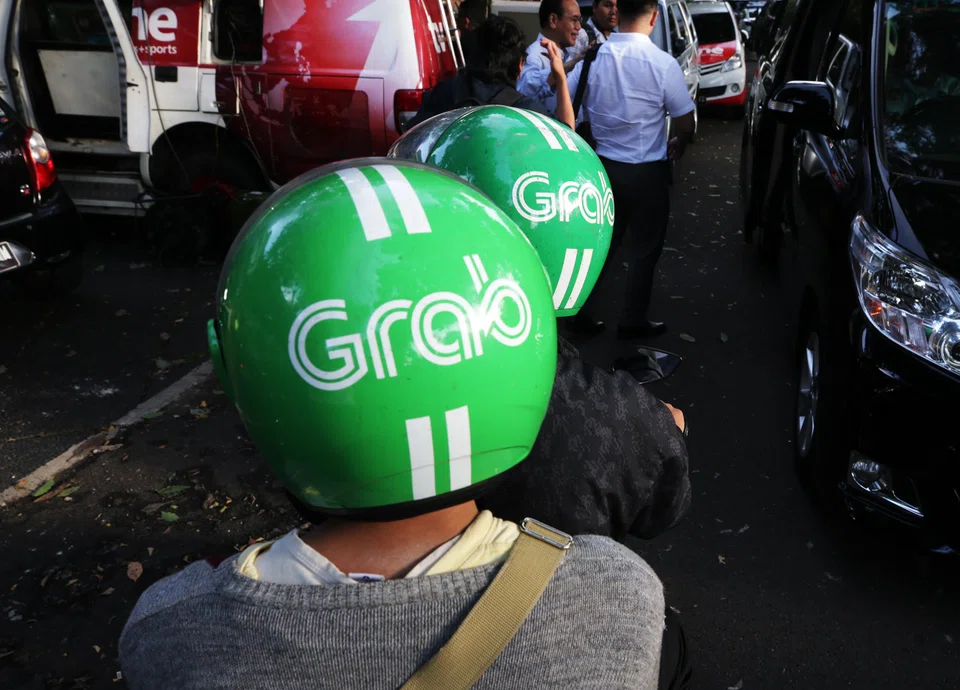
GRAB plans to adjust its Indonesian business after Jakarta’s surprise edict to lower the ride-hailing commissions it can charge, though executives expect the decree to cover just a fraction of its fleet.
Chief financial officer Peter Oey, addressing the unprecedented move after Grab reported better-than-anticipated results, said the company now needs to alter its business model in its biggest market. Still, the move by regulators is likely to only apply to two-wheel riders, not car drivers, limiting its impact, he said.
In a speech on May 1, Indonesian President Prabowo Subianto outlined a surprise reduction in the ride-hailing commissions that companies like Grab collect from riders in South-east Asia’s largest economy. The companies’ cut will be set at a maximum of 8 per cent of fares, compared with about 20 per cent previously, potentially squeezing margins and crimping revenue.
“We have enough levers in the business to be able to offset and cushion this,” Oey said in a video interview. “But it does mean that for Indonesia, the fare structure and the business model for two-wheelers probably needs to be recalibrated. Definitely, this is not a small change.”
Indonesia is South-east Asia’s biggest ride-hailing market, with millions of drivers relying on app-based transport and delivery services. Protests over pay and working conditions have intensified in recent years, with many riders unhappy with what they have described as exploitative app policies and regulatory negligence.
Indonesia two-wheel riders account for less than 6 per cent of the business volume for Grab’s mobility operations, chief operating officer Alex Hungate said on a conference call. The company also operates in several other markets in South-east Asia, including Thailand, Malaysia and Singapore.
It is essential “that our Indonesian mobility marketplace remains healthy and that driver partners’ earnings remain well supported,” Hungate said. “We’re engaging very proactively with the relevant ministries and we try to seek absolute clarity and technical aspects of how the decree will be implemented.”
Shares of Grab rose more than 2 per cent in late US trading after it posted first-quarter adjusted earnings before interest, taxes, depreciation and amortisation that topped analysts’ estimates by about 5 per cent. Revenue also beat projections.
The Singapore-based company maintained its full-year forecast for as much as US$4.10 billion in sales and up to US$720 million in adjusted earnings before interest, taxes, depreciation and amortisation.
SEE ALSO



After years of spending to gain market share in Southeast Asia, Grab still faces tough competition from rivals led by Indonesian champion GoTo Group. Grab is attracting users with products such as shared rides and deliveries in a sluggish economy, while curtailing a once-frenetic pace of expansion.
Grab, backed by Uber Technologies, has seen growth slow dramatically from triple-digit rates in years past as it takes steps to focus on profitability. An increased customer base has left the company with less room for user gains, prompting it to introduce novel offerings – including AI-powered concierge tools and ways to split ride fares with friends – to entice consumers in a challenging economy.
In a bid to alleviate the cut-throat competition, Grab has been exploring a combination with Jakarta-based GoTo. The years-long effort has been delayed by regulatory scrutiny as well as differences over perceived valuation. In one of the latest hurdles for a deal, negotiations snagged over wireless carrier Telkomsel’s roughly 2 per cent stake in GoTo.
Grab is also venturing beyond its intensely competitive home market, spending US$600 million to acquire Delivery Hero’s Foodpanda operations in Taiwan in its first foray outside South-east Asia. The purchase will give Grab a presence on the island of about 23 million people.
“We’ve got to crack Taiwan,” Oey said. “It’s an important market.”
Shares of Grab remain far below their initial price in its 2021 listing. The company has also taken steps to expand beyond ride hailing and delivery, betting on new initiatives in areas such as digital finance. BLOOMBERG
Decoding Asia newsletter: your guide to navigating Asia in a new global order. Sign up here to get Decoding Asia newsletter. Delivered to your inbox. Free.
Share with us your feedback on BT's products and services
TRENDING NOW

DBS, OCBC, UOB rout lops billions off STI as inflation, rate concerns spook investors

Grab CEO’s wife Chloe Tong on life with Anthony Tan and finding her purpose

OCBC sheds S$8 billion in value as shares close nearly 6% down; analysts cautious on banks

Deal between tycoon friends sparks scrutiny of Philippine power sector

