



Indonesia puts Q1 deadline on market reforms after MSCI alarm
IDX plans to double the minimum free float to 15% by end-March

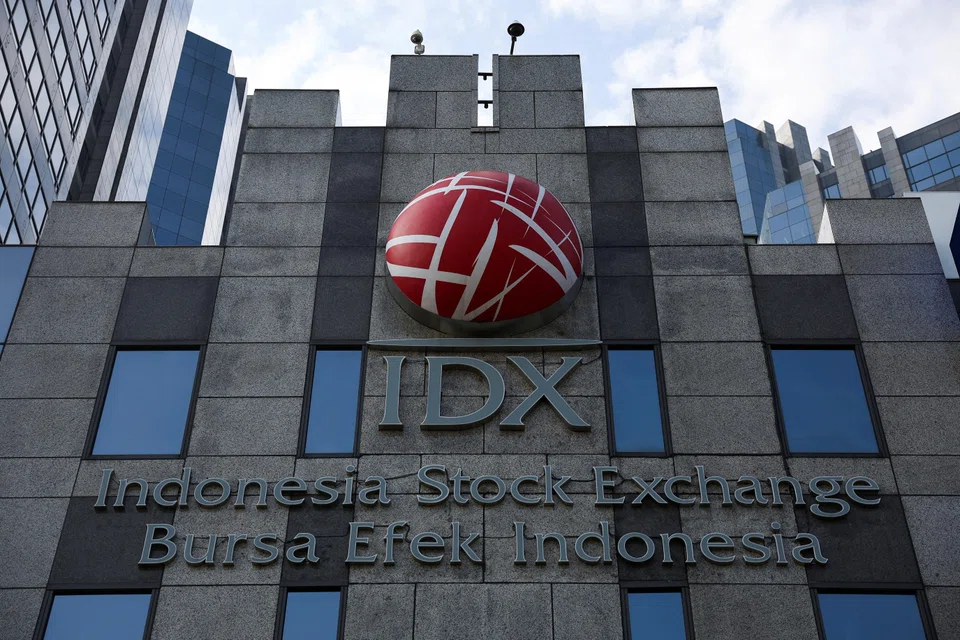
[JAKARTA] Indonesia is racing to resolve concerns raised by global index provider MSCI before April, stepping up reforms on free float, transparency and market governance to safeguard its emerging-market status.
A centrepiece of the reforms is a planned doubling in minimum free-float requirements, ending a regime that has been in place since 2014. The Indonesia Stock Exchange (IDX) said on Monday (Feb 9) that it intends to raise the minimum free float for listed companies from 7.5 per cent to 15 per cent by the end of March.
Prospective issuers will need to meet higher governance standards at the time of listing, said IDX’s acting president director Jeffrey Hendrik at a media briefing on the latest measures.
To boost transparency, the bourse has pledged to publish shareholder name disclosures for holdings of 1 per cent and above on the IDX website by the end of February. This will give investors clearer visibility into ownership structures and potential affiliations.
The push follows MSCI’s late-January review, which flagged persistently low free-float levels, concentrated ownership and limited transparency in Indonesia’s equity market – issues that could threaten its classification in the MSCI Emerging Markets Index.
Failure to make sufficient progress by May could see Indonesia’s emerging-market status removed; this would likely weigh on valuations, raise borrowing costs for issuers and undermine investor confidence in South-east Asia’s largest economy.
The warning sparked capital outflows from Indonesian equities, triggering heightened volatility and causing the Jakarta Composite Index to hit trading halts on two consecutive days as investors reacted to the risk of a potential downgrade. Foreign investors have pulled out about US$1 billion from the regular market.
The stock-market plunge has prompted the resignation of several top financial officials, including the head of the IDX, Iman Rachman.
Adding to the pain, rating agency Moody’s last week downgraded the country’s outlook from stable to negative, citing policy uncertainty under President Prabowo Subianto.


On Feb 6, Indonesian stocks fell 2.1 per cent, dragged by sharp declines in major banking and mining shares after Moody’s announcement.
On Monday, the market showed signs of stabilisation, with the benchmark posting an intraday rebound of 0.8 per cent as investors sought bargains after the recent sell-off.
Next steps
Financial services authorities and market regulators are scheduled to meet MSCI on Wednesday to discuss the technical aspects of these reforms.
This follows an initial engagement on Feb 2, when Indonesian authorities submitted three formal proposals addressing the global index provider’s concerns.
Hendrik said the discussion will focus on implementation details and timelines.
“IDX and the Indonesian Central Securities Depository have put forward several initiatives which we aim to complete before the end of April,” he added.
The eight action plans include improvements in free-float requirements, investor classification, ownership disclosure and market surveillance.
MSCI has repeatedly highlighted Indonesia’s low free float, concentrated ownership and limited transparency on beneficial ownership as key weaknesses. Many listed companies continue to have tightly held shareholdings, reducing effective liquidity for institutional investors.
Indonesia’s current free-float requirement is significantly lower than regional peers such as Malaysia and Thailand, which both have a minimum level of 15 per cent.
Market participants have also voiced concerns about opaque shareholder affiliations and difficulty identifying ultimate beneficial owners, complicating risk assessment and undermining confidence in corporate governance.
Another key reform involves expanding investor classification. IDX plans to increase the number of investor categories from nine to 28 by March. This will allow regulators and index providers to better assess market depth, diversification and the role of different investor segments, including retail, domestic institutions and foreign funds.
Decoding Asia newsletter: your guide to navigating Asia in a new global order. Sign up here to get Decoding Asia newsletter. Delivered to your inbox. Free.
Copyright SPH Media. All rights reserved.
TRENDING NOW

Once staunchly pro-China, Malaysian Chinese businesses are now distancing themselves from Beijing

Looking beyond looming CEO succession, should UOB potentially pursue a transformative merger?

Could stablecoins be the future of money?

Grab CEO’s wife Chloe Tong on life with Anthony Tan and finding her purpose

