



Indonesia’s energy giant Chandra Asri looks beyond petrochemicals with Singapore mobility push
C&C acquisition would add automotive distribution to its growing energy, chemicals and infrastructure platform

[JAKARTA] Indonesia’s Chandra Asri Pacific is betting on Singapore as a springboard for broader South-east Asian expansion as it seeks to diversify beyond its traditional petrochemicals operations.
The Jakarta-listed group, controlled by Indonesian billionaire Prajogo Pangestu, signed a conditional agreement in August through its subsidiary CCHPL Holdings to acquire Cycle & Carriage’s (C&C) businesses in Singapore and Malaysia. It is targeted to close by Feb 28, 2027.
The deal would add automotive distribution to the energy, chemicals and infrastructure platform Chandra Asri has been building in the city-state through a series of acquisitions.
In response to queries from The Business Times, the company said energy, chemicals and infrastructure remain core pillars of the group, while mobility offers an additional platform for regional growth and allows it to participate in the evolving energy and transportation ecosystem.
“Mobility is one of the areas we see as a long-term growth opportunity,” a Chandra Asri spokesperson said.
“The proposed acquisition of C&C would complement the ecosystem with an established automotive platform spanning automotive distribution, dealerships, after-sales services, leasing and commercial vehicles across Singapore and Malaysia.”
Building from Singapore
Singapore has become increasingly important to Chandra Asri’s regional strategy following its expansion into the city-state’s energy sector.
“Singapore is an attractive platform for this regional growth, given our established energy and retail presence,” the spokesperson said.
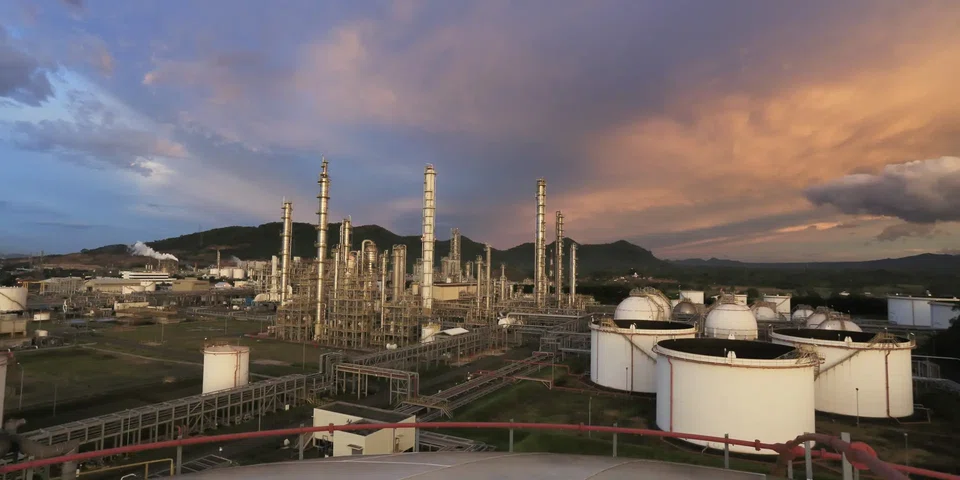
Through Aster Chemicals and Energy, its joint venture with commodities trader Glencore, Chandra Asri acquired Shell’s Energy and Chemicals Park Singapore in 2024, strengthening its position in refining and petrochemicals.

The assets on Pulau Bukom and Jurong Island include a refinery with a processing capacity of about 237,000 barrels of crude oil a day, an ethylene cracker with annual capacity of about 1.1 million tonnes and various downstream chemical facilities.
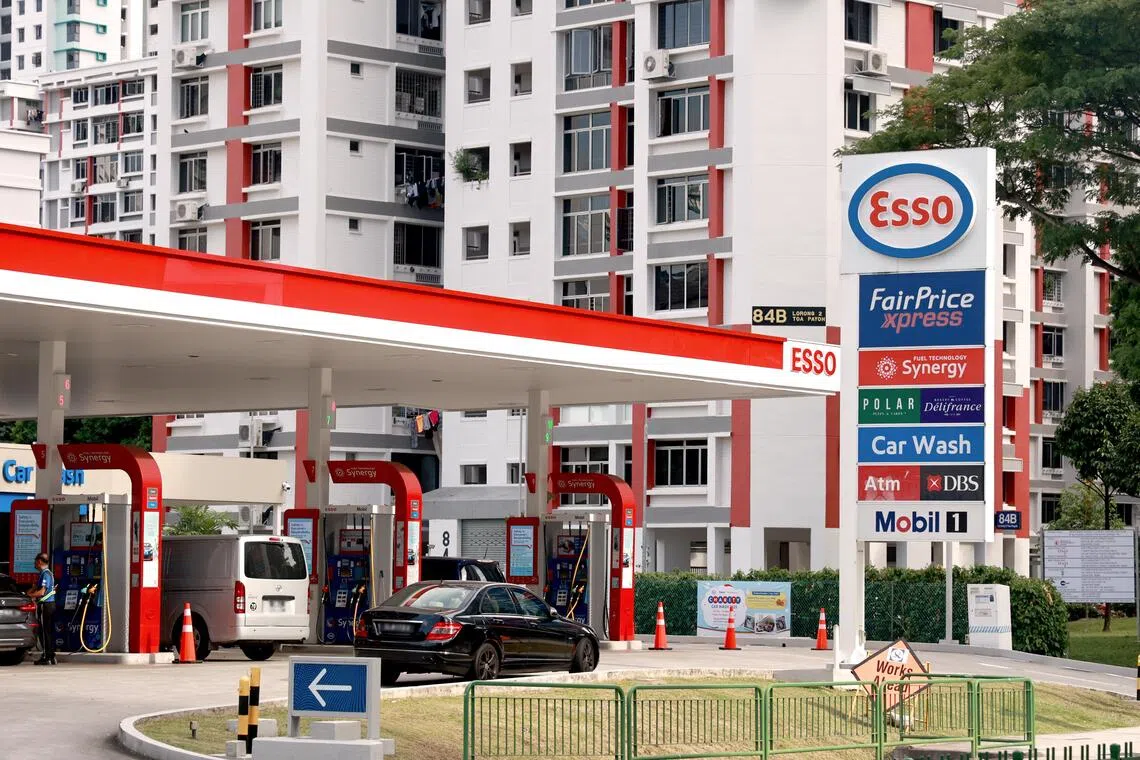
Chandra Asri subsequently expanded into Singapore’s retail fuel market through the acquisition of ExxonMobil’s Esso-branded service-station network in the city-state.
The group said the Esso network could also provide opportunities for cross-selling and customer engagement as it develops the mobility business.
The company said Indonesia would remain the group’s home base and a key pillar of its business and investment strategy.
At the same time, it said Chandra Asri would continue to explore opportunities across South-east Asia as it builds its regional footprint, without disclosing specific markets or potential targets.
From petrochemicals to mobility
The C&C deal would add a consumer-facing business to Chandra Asri’s largely industrial portfolio, giving the group exposure to automotive distribution in two South-east Asian markets.
C&C is a sizeable automotive platform in Singapore and Malaysia, representing more than 13 brands including Mercedes-Benz, Mitsubishi and electric-bus maker Zhongtong.
It sold about 6,500 new passenger vehicles in Singapore in 2025, giving it about 12 per cent of the market.
But its contribution to Jardine’s net profit fell 25 per cent year on year to US$12 million in the first half of 2026, from US$16 million a year earlier, amid declines in new and used-car sales.
Chandra Asri has nevertheless identified the mobility business as a potential earnings contributor.
“For C&C specifically, we see an attractive combination of an established and resilient business with opportunities to enhance operational performance, expand the customer base, pursue cross-selling opportunities and develop strategic partnerships,” said the company.
Analysts from Jakarta-based brokerage Stockbit noted the acquisition would provide Chandra Asri with immediate earnings from an established operating business.
Stockbit estimates that the group’s mobility operations, including the Esso retail network and C&C, could generate an additional US$150 million to US$200 million in annual profit.
Based on C&C’s 2025 net profit contribution of US$48 million, Stockbit said the US$207 million purchase price implies about 4.3 times price to earnings, while an annualised 2026 profit assumption of US$24 million implies about 8.6 times.
“We assess that this transaction is value accretive and has a positive impact on Chandra Asri because it directly provides additional net profit from an operating business at a relatively cheap valuation,” Stockbit analysts said.
Chandra Asri’s net profit fell 77.5 per cent to US$371.2 million in the first half of this year, largely due to a high base from a bargain purchase gain recognised following its acquisition of Aster last year.
The group, which operates across Indonesia and Singapore, had a market capitalisation of about 158 trillion rupiah (US$9.5 billion) as at Sep 18.
Powerhouse
Established in 1992, Chandra Asri is the country’s largest integrated petrochemical producer, with businesses spanning olefins, polyolefins and related products, as well as supporting infrastructure and energy assets.

The company identified more than US$1 billion of strategic investments over the five years ahead during its H1 2026 earnings call, supported by liquidity of about US$3.9 billion at the end of the period.
Its Indonesian operations provide the industrial base from which the group has expanded into adjacent sectors and overseas markets.
The company’s transformation has accelerated under billionaire Pangestu, whose Barito Pacific conglomerate controls Chandra Asri.
Pangestu built his fortune through interests spanning petrochemicals, energy, coal and renewable energy.
His wealth has risen sharply alongside the valuations of his listed companies, particularly Barito Renewables Energy and Petrindo Jaya Kreasi.
Forbes’ real-time billionaire ranking valued Pangestu’s fortune at around US$16 billion in September 2026, placing him among the world’s 200 richest people.
Looking beyond Indonesia
Chandra Asri’s expansion comes as a growing number of Indonesian conglomerates seek to build businesses beyond their home market.
In Australia, miner Bumi Resources controlled by the Bakrie family has been expanding into copper and gold through a string of acquisitions, including the A$79.1 million (US$56.2 million) purchase of Loyal Metals in September.
Djarum Group – owned by Indonesia’s wealthiest family, the Hartonos – acquired a US paper business for US$669 million in 2023 through Evergreen Hill, its Singapore-based investment vehicle.
Eunice Satyono, president commissioner and founder of Jakarta-based investment firm Samuel Asset Management, said the overseas expansion of Indonesian conglomerates reflected a broader maturation of the country’s corporate sector.
“As Indonesian companies become larger and more sophisticated, they are increasingly looking beyond the domestic market not only for growth, but also to build regional capabilities and internationalise their businesses,” she said.
“This can help strengthen their profile overseas, attract global capital and position them as regional players rather than businesses focused solely on Indonesia.”
Decoding Asia newsletter: your guide to navigating Asia in a new global order. Sign up here to get Decoding Asia newsletter. Delivered to your inbox. Free.
Copyright SPH Media. All rights reserved.
TRENDING NOW

Once staunchly pro-China, Malaysian Chinese businesses are now distancing themselves from Beijing

Looking beyond looming CEO succession, should UOB potentially pursue a transformative merger?

Could stablecoins be the future of money?

Grab CEO’s wife Chloe Tong on life with Anthony Tan and finding her purpose

