New state firm’s role is to monitor key commodity exports: Indonesia’s Prabowo in national address
Later on Friday, Prabowo will unveil his government’s 2027 Budget proposal
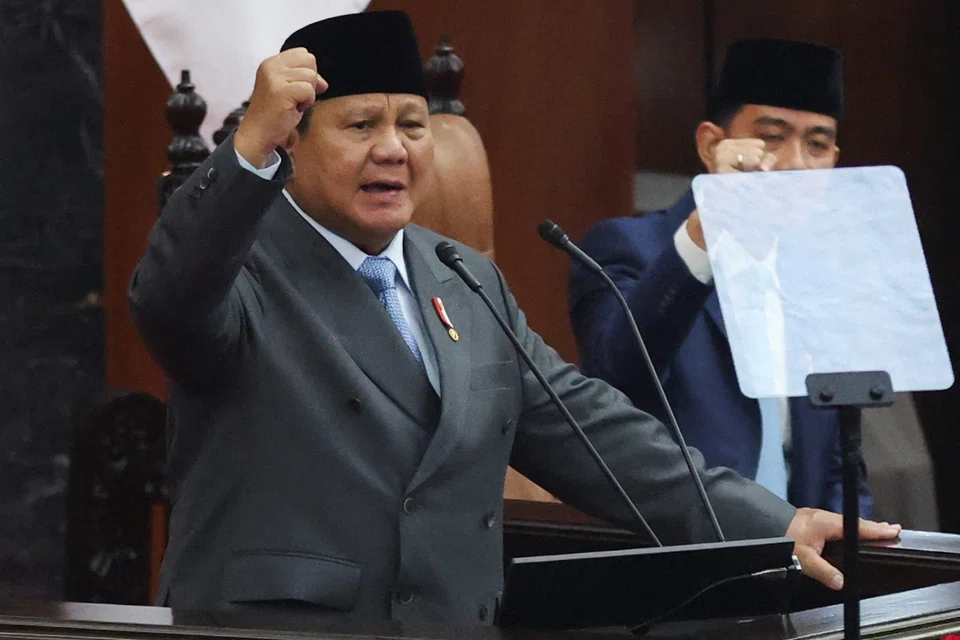
[JAKARTA] Indonesian President Prabowo Subianto said on Friday (Aug 14) that a new state export firm will monitor key commodity shipments and its role will be expanded, but said it would not take over control of exports.
Prabowo used his second Independence Day speech to highlight his plan to secure more revenue from Indonesia’s natural resources.
“We do not want the Indonesian people to be cheated anymore. Indonesia’s wealth must not enrich a select few while leaving our people to live in hardship,” he told parliament on Friday, saying that the new export entity had identified a potential US$5 billion in export proceeds from differences in the reported and actual prices.
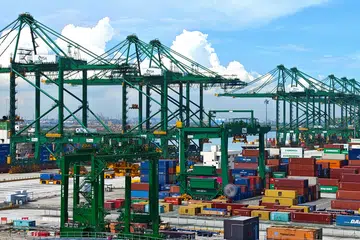
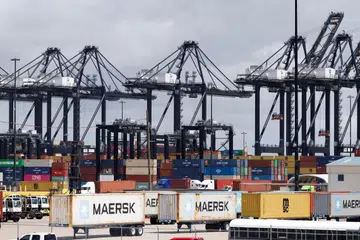
In May, Prabowo unveiled his plan to centralise exports of palm oil, coal and ferroalloy under Danantara Sumberdaya Indonesia (DSI) to tackle under-invoicing, and investors have since sought clarity over the scope of DSI’s role.
Prabowo said that in its first two months of operation, DSI has monitored more than 6,500 transactions for the three key commodities and overseen US$14 billion worth of exports.
Soon, this monitoring would expand to cover 50 ports and, “in the short term, DSI will manage all strategic commodity exports, not only three,” the president said.
In a report after the speech, Bank Danamon analyst Irman Faiz said it would be important “to ensure that tighter oversight does not increase transaction costs for exporters or discourage private investment”.
A palm oil analyst, who asked not to be named as they were not authorised to speak to media, said market participants would want to see the actual legislation. “As long as there are no clear written regulations or technical guidelines, we can only guess,” the analyst said.
Problems not yet resolved
Prabowo also acknowledged Indonesia had encountered issues during his term, but said those were on the way to being addressed.
SEE ALSO

“I cannot yet say that all the nation’s problems have been resolved, or that every promise I made has been fulfilled. Not yet,” he told parliament, but said investment would create jobs and economic growth could reach 6 per cent by the end of the year.
Prabowo took office in October 2024 after a sweeping election victory built on promises to root out corruption, lift economic growth from 5 to 8 per cent and give free meals to millions of children.
But his administration has struggled this year with a depreciating rupiah and a poorly performing stock market, as well as concerns over government overspending and central bank independence, while his flagship free meals programme has been hit by budget cuts and allegations of mismanagement.
The free meals scheme, launched in January 2025, was originally intended to reach 83 million recipients in 2026, including students, pregnant women and nursing mothers, but its scope has been trimmed. “I am determined to continue the free meals programme with improvements, efficiencies,” he said.
Investors await budget and policy clarity
Later on Friday, Prabowo will unveil his government’s 2027 Budget proposal, which will be closely watched by investors given concerns about policy direction, fiscal discipline and risks to the country’s credit ratings.
At parliament, Prabowo reiterated his drive for Indonesian self-sufficiency, which he said had been achieved in eight food commodities. He also said food supply was secure despite threats from the El Nino weather pattern.
He also highlighted tighter control over other key sectors, including a crackdown on illegal tin mining, reorganisation and revenue improvement at many state companies as achievements of his administration. REUTERS
Decoding Asia newsletter: your guide to navigating Asia in a new global order. Sign up here to get Decoding Asia newsletter. Delivered to your inbox. Free.
Share with us your feedback on BT's products and services