Metro Pacific tightens grip on Philippine power giant Meralco as San Miguel trims stake
The purchase at a huge premium will raise Pangilinan-led Metro Pacific’s stake in Meralco to 49.4%
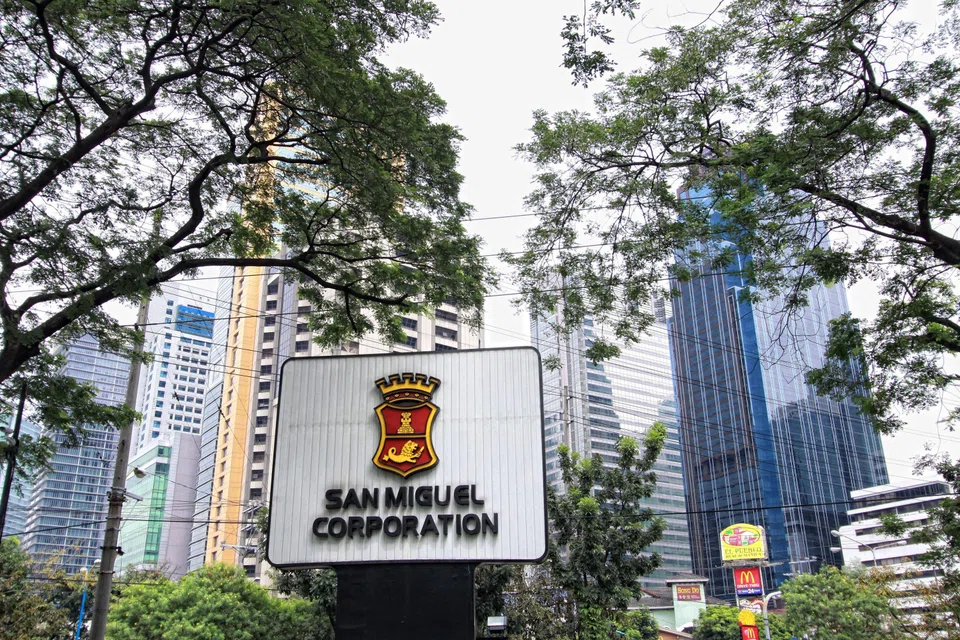

[MANILA] Ownership of the Philippines’ largest electricity distributor Manila Electric Co (Meralco) is shifting, as one tycoon strengthens his grip while another cuts his exposure.
Manuel Pangilinan’s Metro Pacific Investments Corp has agreed to pay a hefty premium for a 1.9 per cent stake in Meralco from Ramon Ang-led San Miguel in a 12.4 billion peso (US$198.4 million) deal.
The transaction will raise Metro Pacific’s holding to 49.4 per cent, keeping its holdings just below majority ownership to avoid triggering a full takeover under local securities rules.
The purchase, at more than six times San Miguel’s original acquisition price, could reflect a broader realignment of corporate capital across the Philippines’ highly concentrated electricity market.
Metro Pacific’s Hong-Kong listed shareholder First Pacific said the purchase reflects the group’s “continued confidence in Meralco’s long-term growth prospects and strategic importance to the group”.
For San Miguel, proceeds from the sale are set to bankroll its expansion into power generation. The deal is aligned with the group’s broader push to free up resources and reallocate them to renewable-energy projects and other businesses where it has a direct operating role, the company said in a statement on Wednesday (Oct 7).
Despite the substantial cash proceeds, San Miguel quashed speculation that the proceeds would fund a significant shareholder payout.
The stake sales
Under the deal, Metro Pacific will buy 21.4 million shares of Meralco from San Miguel Global Power (SMGP) – San Miguel’s wholly owned energy subsidiary – at 580.99 pesos apiece.
The acquisition, which remains subject to closing conditions, will be executed through a special block sale and funded with internally generated cash and financing.
On Wednesday, San Miguel also announced that Pangilinan, chairman and CEO of both Metro Pacific and Meralco, had agreed to purchase more than 3.7 million Meralco shares from San Miguel for about 2.2 billion pesos. This latest transaction will raise the 80-year-old businessman’s direct ownership in the utility to about 0.34 per cent.
The price of both Metro Pacific and Pangilinan’s purchase represents a 16.2 per cent premium to Meralco’s 90-day volume-weighted average price and a 39.3 per cent premium to the utility’s Oct 1 closing price, a day before the agreement with Metro Pacific was disclosed.
Meralco holds the largest distribution footprint and market share in the country, which gives it a natural monopoly. Its franchise area spans 9,685 square kilometres, covering 39 cities and 72 municipalities, including the entirety of Metro Manila and other economically vital provinces such as Cavite, Bulacan, Laguna and Rizal.
The company is actively investing in power generation, particularly renewables, with a goal to build more than 1,500 megawatts (MW) of green energy capacity by 2030 and be coal-free by 2050.
Despite headwinds from the global energy crisis and regulatory reforms threatening to hurt its bottom line, Meralco expects to report another record year, said Pangilinan. He expects 2026 earnings to surpass the company’s 2025 consolidated core net income of 50.6 billion pesos.
JG Summit Holdings – the industrial and retail conglomerate of the Gokongwei family, owners of Cebu Pacific Air and Robinsons Malls – will remain Meralco’s second-largest substantial shareholder, with 26.37 per cent.
A seemingly lucrative deal for San Miguel
For San Miguel, the sale will monetise part of the Meralco investment, whose purchase terms were agreed with the state-backed Land Bank of the Philippines back in 2008. Litigation delayed the transfer of shares until July 2025.
The agreed sale price to Metro Pacific stands at roughly 6.5 times the original purchase price of 90 pesos a share. For this block, the sale implies a gross gain of about 10.5 billion pesos before interest, taxes and other costs.
San Miguel, however, said the dispute with LandBank blocked its access to an estimated 13 billion pesos in dividends, whose present-day value, the company estimates, is 21 billion pesos.
The deal with Metro Pacific is a “separate transaction being undertaken more than 17 years after the original purchase terms were set and reflects current market conditions”, San Miguel said.
Still, the proceeds offer San Miguel greater flexibility to reduce debt or fund capital expenditure, said Juan Paolo Colet, managing director at Chinabank Capital.
Echoing a similar view, Toby Allan Arce, head of sales trading at Manila brokerage Globalinks Securities and Stocks, said San Miguel’s divestment could be a “sensible capital-allocation move” if it is redeployed to projects that generate better returns or used to “strengthen the balance sheet”.
San Miguel has so far divested more than 25.1 million Meralco common shares since Oct 2, retaining 21.4 million shares or a 1.9 per cent stake after the sale to Metro Pacific and Pangilinan.
The San Miguel group, whose net income reached 48.3 billion pesos in 2025 – a 290 per cent year-on-year surge despite a 23 per cent decline in consolidated revenues – controls a diversified power portfolio of natural gas, coal, hydroelectric and battery energy-storage systems, with a combined capacity of 5,710 MW.
The portfolio gives the group other avenues for investment across the electricity value chain.
Growth amid regulatory friction
Colet said Metro Pacific’s willingness to pay a steep premium for a substantial block of Meralco shares suggests the company “remains very confident” in the utility’s continued growth.
Meralco serves more than eight million customers across Metro Manila and surrounding industrial hubs such as Bulacan, Cavite and Rizal.
In 2025, the utility reported full-year revenue of 497.3 billion pesos, an increase of 6 per cent from 2024, and a consolidated core net income of 50.6 billion pesos, up 12 per cent year on year.
Despite regulatory friction, such as President Ferdinand Marcos Jr’s call for utilities to eliminate the widely criticised system-loss charges, Meralco’s distribution segment remains its core business.
System-loss charges are fees passed onto consumers to cover the cost of electricity lost during distribution.
Meralco’s distribution segment generated 29.6 billion pesos in core earnings or 58 per cent of the company’s consolidated core profit in 2025.
Meralco said that scrapping these fees would force utilities to absorb billions of pesos in unrecovered line losses and ultimately threaten their bottom line.