



Thai exports surge most in four years on AI, China demand
Electronics, which account for nearly a third of shipments, are expected to remain a key driver
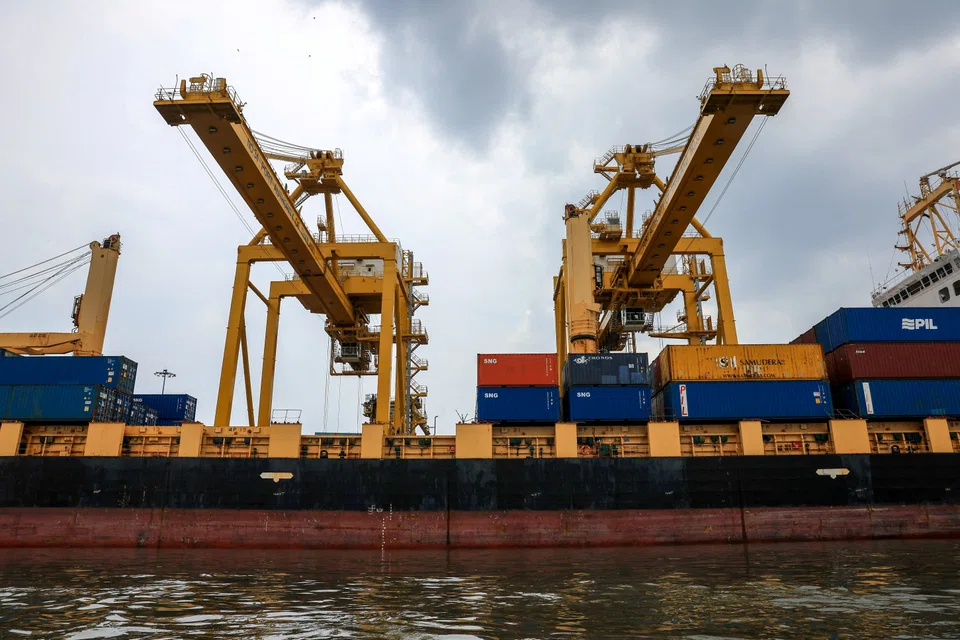
[BANGKOK] Thailand’s exports grew at the fastest pace in more than four years, powered by electronics tied to the global artificial intelligence boom and surging Chinese demand for Thai durians and mangosteens.
Outbound shipments jumped 24.3 per cent in August from the year-ago period, the strongest growth in 56 months and up from 21.6 per cent in July, data by the Ministry of Commerce showed on Friday (Sep 25).
Imports rose 25.1 per cent, slowing from a 36.7 per cent increase the previous month.
The trade deficit narrowed to US$2.5 billion from US$3.6 billion in July.
Export growth was slightly below the 24.8 per cent median estimate in a Bloomberg survey of economists, while imports increased less than the 30 per cent forecast. Economists had expected a US$3.6 billion trade deficit.
The latest figures reinforce the commerce ministry’s forecast that Thailand’s exports will reach a record this year.
Electronics, which account for nearly a third of shipments, are expected to remain a key driver, as global technology companies ramp up spending on AI infrastructure.
The export boom comes alongside a surge in foreign investment.
Applications for investment incentives reached a record in 2025 and are on track to surpass that level in 2026, adding capacity in data centres, electronics and other technology industries, as Thailand benefits from a broader shift in global supply chains.
The commerce ministry expects exports to remain strong through the rest of the year, supported by electronics demand and greater clarity over US tariffs.
With shipments up 18.9 per cent in the first eight months, full-year growth could reach 15 per cent, Nattiya Sujinda, deputy director-general of the Trade Policy and Strategy Office, said on Friday.
But the strength may prove difficult to sustain. Exports could contract in 2027 as high oil prices, elevated inventories and earlier front-loading of orders weigh on demand, she added.
US tariffs as a major source
“Tariff uncertainty prompted many companies to front-load orders, pushing imports to record levels this year,” she said. “As a result, they may reduce or halt new orders next year.”
The US has been a major source of this year’s growth.
Thai exports to the country surged 48.7 per cent in August from the year-ago period in the 35th consecutive monthly increase, driven partly by electronics.
About 60 per cent of Thai shipments to the US are not subject to the current Section 301 tariff, Nattiya said.
Thailand faces a 12.5 per cent US tariff on most covered exports under a Section 301 action tied to restrictions on imports made with forced labour. Bangkok is seeking treatment comparable with Indonesia and Malaysia, which face a lower 10 per cent levy.
The two countries remain in “serious” tariff negotiations, with market access among the key unresolved issues, Foreign Minister Sihasak Phuangketkeow said this week.
Thailand is also under US scrutiny over goods potentially routed through the country to evade tariffs.
Shipments found to have falsely claimed Thai origin and destined for the US amounted to about 0.04 per cent of Thailand’s total exports to the country, said the Thai Customs Department. BLOOMBERG
Decoding Asia newsletter: your guide to navigating Asia in a new global order. Sign up here to get Decoding Asia newsletter. Delivered to your inbox. Free.
Share with us your feedback on BT's products and services

