Thomson Medical’s regional ambitions find a potent tonic in Vietnam
The Singapore group is targeting patient flows in the growing Mekong sub-region

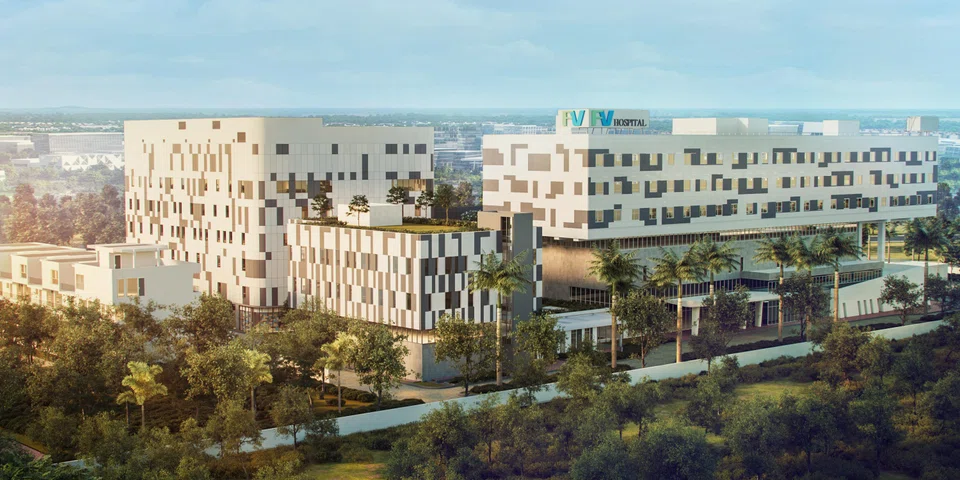
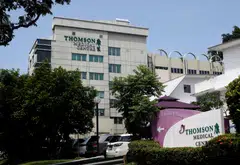
[HO CHI MINH CITY] Singapore-listed Thomson Medical Group (TMG) is braving a FY2025 net loss to solidify its US$381.4 million bet on Vietnam, choosing to deepen its regional roots rather than chase new acquisitions, said its top executive.
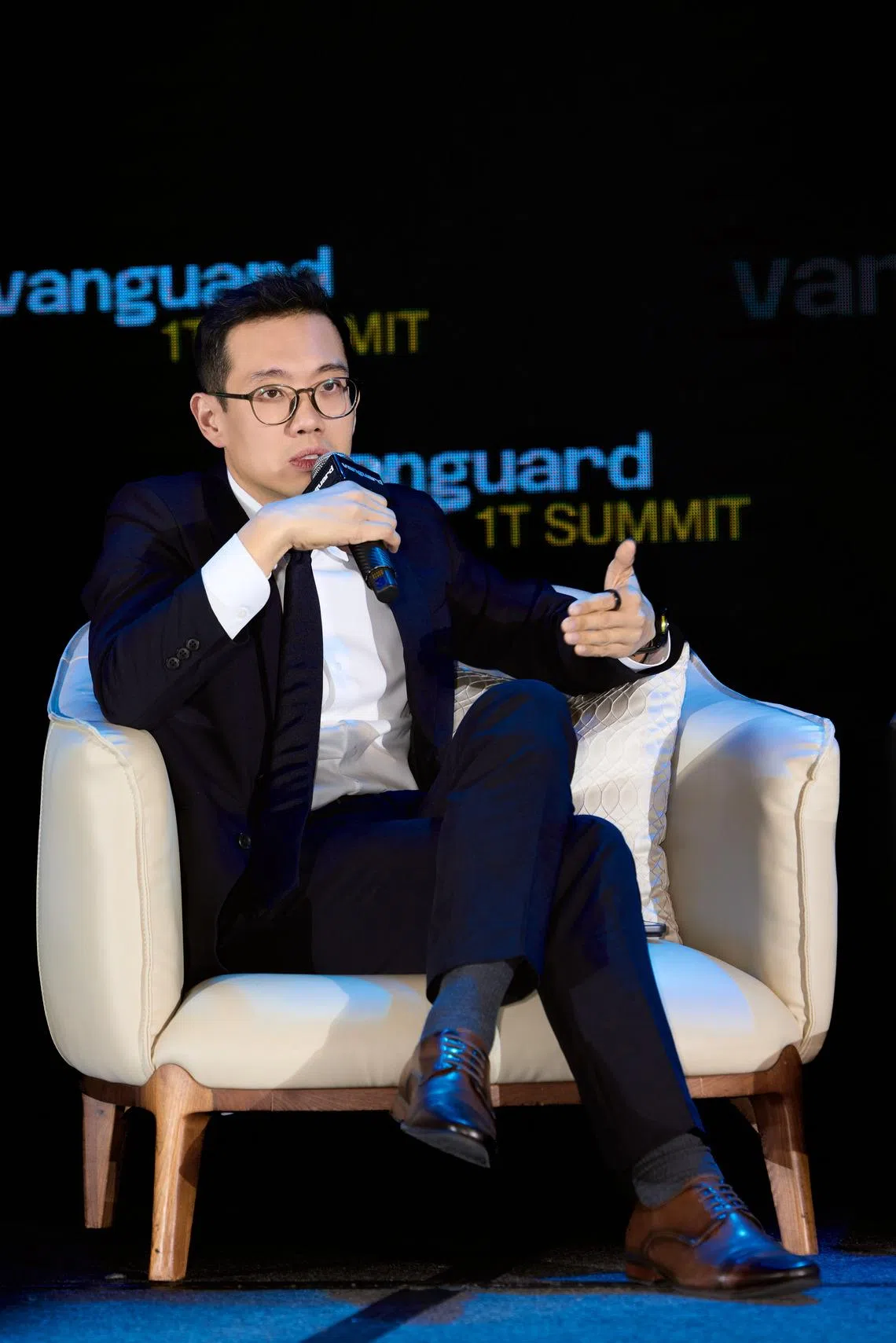
Despite the headwinds, the company is doubling down on the country as a key growth market, said Dr Melvin Heng, TMG’s group chief executive.
“If I’m going to spend more, I’d rather deepen my capabilities than dilute myself by building too many hospitals,” he told The Business Times on the sidelines of the Vietnam Vanguard Summit in Ho Chi Minh City this month.
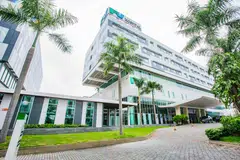
TMG’s 2023 landmark acquisition of FV Hospital – the biggest healthcare deal in Vietnam’s history – pushed the group into the red in FY2025 to the tune of S$47 million.
The Vietnam hospital is adding a one-hectare (ha) wing by the end of 2027, with investments running into “tens of millions of US dollars”, said Dr Heng.
The expansion will focus on oncology, diagnostics and advanced surgical capabilities, alongside broader social health insurance coverage and instalment-based payment programmes to improve affordability.
“Vietnam is poised to become a strong regional healthcare hub,” the chief executive said, noting that FV Hospital has already attracted a “reasonable number” of patients from Cambodia. “Secondary patient exposure will come as we continue to invest in Vietnam.”
He envisions Vietnam as a “hub” in a hub-and-spoke model designed to capture patient flows from the lower Mekong sub-region, including Cambodia, Laos and Myanmar.
As a result, beyond focusing on its existing footprint in Singapore, Malaysia and Vietnam, the group is not actively pursuing another large acquisition in the region in the near term, though it remains open to opportunistic deals.
Plateauing growth
Integrating the Vietnam unit amid a volatile economy and slower growth led to a goodwill impairment, dragging Thomson Medical into the red for FY2025.
Dr Heng framed the slowdown less as a demand problem than a timing and structure issue.
Vietnam’s private healthcare market, he said, is more exposed to retail consumers than Singapore or Malaysia, where insurance penetration is higher.
“We felt the growth could have been better,” Dr Heng said, noting that Vietnam has gone through major changes over the last two years, including political transitions and global trade tensions. “We do see that there’s a portion of consumers in healthcare that is actually quite sensitive to the macroeconomic changes.”
Despite that, he said recurring patient volumes at FV Hospital have remained solid, even as competition has intensified with new hospitals and healthcare groups entering the market.
“There is a little bit of dilution,” he said. “But net demand will only increase.”
Rising tide
While Singapore’s healthcare market is approaching saturation, Dr Heng sees faster growth ahead in Malaysia and Vietnam, where “the tide is rising” as population dynamics and consumption patterns remain favourable.
“The ceiling for healthcare consumption of the Vietnamese population is actually really high,” he said, noting Vietnam’s ageing population, rising middle class and growing government healthcare spending as supporting factors.
He acknowledged the lofty price paid for FV Hospital in the 2023 deal, which some have questioned, given the group’s high leverage, but stressed that hospital valuations in South-east Asia reflect the difficulty of replicating what he calls the “software” of healthcare – clinical culture, safety protocols, accreditation standards and trained teams – rather than just bricks and mortar.
Thomson plans to continue investing in Vietnam and Malaysia despite the challenging environment and short-term earnings hits, and aims to build a sustainable competitive edge.
One of them is its development of a 10.5 ha Johor Bay “mega project” worth more than RM18 billion (S$5.5 billion), integrating a hospital, specialist centre, assisted living and healthcare ancillaries.
The healthcare provider, which is controlled by Singapore tycoon Peter Lim, expects losses to persist in FY2026 as it expands facilities, develops digital health solutions and enhances cross-border capabilities.
“It takes a lot of money to build these (healthcare) services, which is reflected in some erosion of our Ebitda (earnings before interest, taxes, depreciation and amortisation),” he said. “We’ve planted so many seeds, we want to at least grow some of them before we start to deleverage.”
Decoding Asia newsletter: your guide to navigating Asia in a new global order. Sign up here to get Decoding Asia newsletter. Delivered to your inbox. Free.
Copyright SPH Media. All rights reserved.