Vietnam proposes steep cuts to clean-energy payouts in protracted US$13 billion dispute
EVN’s proposal for 173 projects could force some investors to repay past incentives

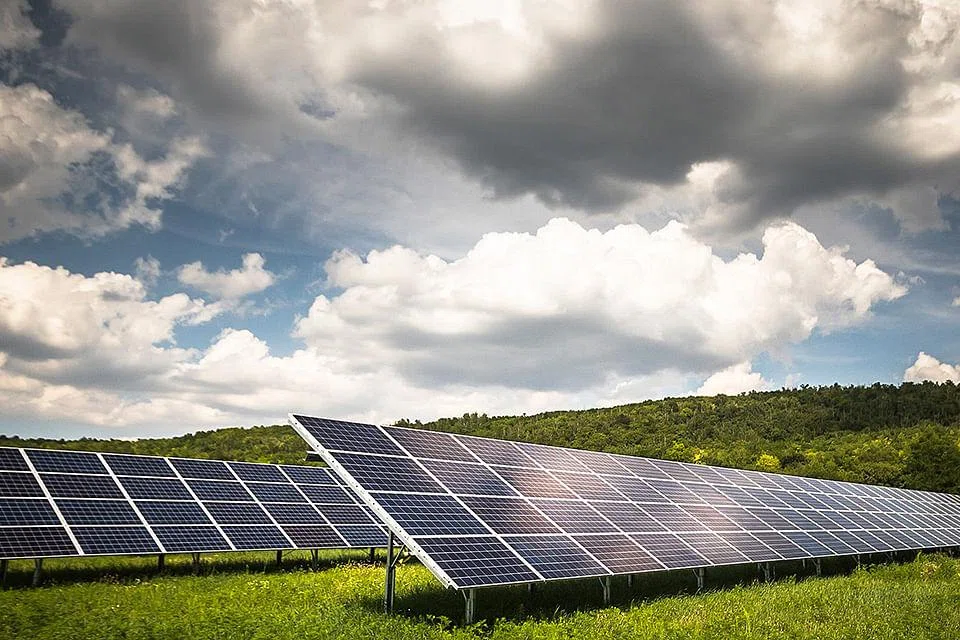
[HANOI] Vietnam’s state utility has proposed retroactively slashing payments to 173 renewable energy projects by as much as 43 per cent and clawing back part of the incentives already paid, in a move that could affect foreign investors including Singapore’s SP Group and Sembcorp.
The proposed cuts by Vietnam Electricity (EVN) cover projects with a combined capacity of about 12 gigawatts and an estimated value of roughly US$13 billion, and apply only to electricity generated during periods when the projects were deemed to have fallen short of approval conditions.
The move is the clearest sign yet of how Hanoi may settle a long-running dispute over eligibility for Vietnam’s earlier feed-in tariff (FiT) regime, which through EVN, guaranteed fixed and generous tariffs for up to 20 years for qualified solar and wind power plants.
An official from one of the foreign power investors hardest hit because of the scale of its affected projects said: “The impact is quite significant. We’re not happy, but have no intention to pursue complaints or litigation.”
Liquidity pressures appear to be forcing pragmatism.
“The dispute has dragged on for too long. We just want to resolve this and focus on other work,” he said, adding that the company needed cash flow to settle outstanding debts, especially as EVN had indicated it would resume full FiT payments from the date of construction completion approval (CCA).
'%3e%3cpath%20d='M12.1475%2025.5262C13.7713%2025.4295%2014.94%2023.913%2014.94%2021.8832C14.94%2019.5359%2013.474%2018.093%2011.5917%2018.093C11.3745%2018.093%2010.9582%2018.093%2010.8393%2018.1413V25.2086L11.8891%2025.5745C11.8891%2025.5745%2012.207%2025.5262%2012.1475%2025.5262ZM11.4934%2017.6281C13.2567%2017.6281%2014.3843%2016.4292%2014.3843%2014.4501C14.3843%2012.372%2013.275%2011.2973%2011.4339%2011.2973H10.8393V17.6305H11.4934V17.6281ZM6.66078%2025.6482L7.39265%2025.5492C8.02617%2025.4502%208.26403%2025.3053%208.26403%2025.1097V11.6149C8.26403%2011.4193%208.1451%2011.3709%207.23484%2011.249L6.68137%2011.173L6.6219%2010.7588H11.9508C15.7153%2010.7588%2017.0624%2012.0797%2017.0624%2014.1578C17.0624%2015.9666%2015.7748%2017.1909%2013.4969%2017.6305V17.7041C16.111%2017.948%2017.6571%2019.5382%2017.6571%2021.7636C17.6571%2024.3318%2015.8937%2026.0417%2012.1109%2026.0417H6.60132L6.66078%2025.6482Z'%20fill='%232B2B2B'/%3e%3cpath%20d='M20.6287%2025.6505L21.5596%2025.5515C22.1725%2025.4779%2022.4104%2025.3076%2022.4104%2025.112V11.249H21.9346C20.073%2011.3479%2018.982%2013.0095%2018.408%2014.6227L18.1907%2015.5018H17.6555L18.1701%2010.7588H29.3837L29.6421%2015.4787H29.1664L28.9491%2014.6227C28.3728%2012.8645%2027.3047%2011.2743%2025.5002%2011.249H24.9856V25.1856C24.9856%2025.3812%2025.1251%2025.4548%2025.9965%2025.5515L26.7695%2025.6505L26.829%2026.0417H20.5693L20.6287%2025.6505Z'%20fill='%232B2B2B'/%3e%3c/g%3e%3cdefs%3e%3cclipPath%20id='clip0_5242_21648'%3e%3crect%20width='24'%20height='16.8'%20fill='white'%20transform='translate(6%2010)'/%3e%3c/clipPath%3e%3c/defs%3e%3c/svg%3e)
At meetings with investors in mid-April, EVN outlined a plan to settle payments for projects that had started commercial operations and sold power under the FiT scheme before obtaining CCA certificates, according to minutes seen by The Business Times.
Under the plan, project owners would be paid a lower transitional tariff of 1,184.9 dong (S$0.057) per kilowatt-hour (kWh) for electricity generated between their commercial operation date (COD) and CCA approval date, instead of the full preferential FiT rates stated in their earlier power-purchase agreements.
That is about 43 per cent below the FiT1 rate of 2,086 dong per kWh for projects commissioned before Jun 30, 2019, and nearly 28 per cent below the FiT2 rate of 1,644 dong per kWh for those commissioned between Jul 1, 2019, and Dec 31, 2020.

Any gap between the higher FiT payments already made and the lower transitional tariff would be clawed back over time.
Plant owners would repay the amount in equal monthly instalments over a period capped at the gap between their commercial operation and CCA approval dates, which ranges from several months to more than three years.
Once a project receives CCA approval, payments would revert to the agreed FiT rates for the rest of the contract term.
Years-long dispute over FiT eligibility
Between 2017 and 2020, investors rushed to pour billions of dollars into Vietnam’s renewable sector to qualify their projects for FiT incentives.
A 2023 government review later flagged 173 projects for lacking the required CCAs. The findings led EVN to suspend payments for affected projects and raised the risk that FiT rates could be reduced or revoked.
Investors have pointed out that the projects previously met all conditions required for COD recognition under EVN’s own guidelines, and noted that no regulation at the time mandated a CCA before COD approval or allowed retroactive tariff adjustments.
In a letter in November 2025, Singapore’s SP Group and more than 20 foreign power companies urged Hanoi to hold urgent talks, and warned that payment delays tied to the retroactive review had pushed some investors to the brink.
SP Group has two affected projects with a combined capacity of 100 megawatt-peak, according to the letter.
Singapore’s energy giant Sembcorp, though not a signatory, also has several solar farms caught in the dispute. In a response to BT in March 2025, the company said that the issue had no material impact on the company’s earnings.
In March this year, chambers of commerce from the UK, Europe, Japan, South Korea and Thailand also wrote to the Vietnamese government calling for an “effective and amicable” resolution.
They warned that the impasse risked triggering financing defaults and forcing companies to publicly disclose in their financial statements significant losses from their multi-billion-dollar investments in Vietnam’s renewable-energy sector.
No formal resolution from the Vietnamese authorities has been announced so far.
Thomas Jakobsen, managing director of Indochina Energy Partners (IEP), a solar-power producer, investor and developer active in South-east Asia, told BT earlier this year that the previous FiT regime fuelled “too fast” renewable expansion and exposed structural risks by encouraging development beyond official planning targets.
He added: “It was very clear early on that this type of FiT, as seen in many other countries, would end in heartbreak.”
He instead gives his support to Vietnam’s latest direct power purchase agreement (DPPA) mechanism, which is a more sustainable, market-based alternative. “Investors who stayed disciplined during the FiT era are now well positioned to continue investing in Vietnam’s renewable sector through DPPAs to meet the country’s goal.”
Decoding Asia newsletter: your guide to navigating Asia in a new global order. Sign up here to get Decoding Asia newsletter. Delivered to your inbox. Free.
Copyright SPH Media. All rights reserved.