Bessent urges BOJ chief to combat weak yen with ‘decisive’ monetary steps
BOJ widely expected to lift rates in September as inflation pressures grew
 Add BT as a preferred source
[ASHEVILLE, North Carolina] US Treasury Secretary Scott Bessent voiced strong support for “decisive” monetary steps to combat yen weakness in a meeting with Bank of Japan Governor Kazuo Ueda, the US Treasury Department said, cementing the case for a Japanese rate hike in September.
In a meeting with Ueda, Bessent also urged the BOJ to anchor inflation expectations and avoid excessive yen volatility through sound monetary policy, the US Treasury Department said in a statement on Tuesday (Sep 1).
The remarks, which underline Bessent’s recent calls for the BOJ to raise interest rates, bolster the case for the central bank to hike borrowing costs at its Sep 17-18 meeting.
The two officials met on Aug 30 at the G20 finance ministers’ and central bank governors’ meeting in Asheville, North Carolina, the US Treasury Department said.
“The Secretary emphasised the importance of sound formulation and communication of monetary policy to anchor inflation expectations and avoid excess exchange rate volatility,” the statement said.
“Secretary Bessent also expressed strong support for Japan’s decisive market and monetary steps to address the substantial undervaluation of the yen and noted the role of yen weakness in contributing to domestic inflationary pressures in Japan.”
Ueda and Japanese Finance Minister Satsuki Katayama were attending a two-day meeting of the G20 finance leaders, ending on Tuesday.
Katayama also met with Bessent on Monday, when the two agreed to continue coordinating to achieve “orderly” yen moves. In Japan, the finance ministry has jurisdiction over currency policy with the BOJ acting as its agent.
September rate hike locked in
A weak yen has pushed up import prices and broader inflation, causing headaches for Japanese policymakers by increasing households’ cost of living.
SEE ALSO


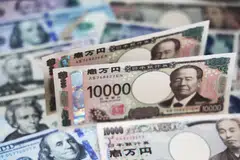

The US joined Japan in a rare joint yen-buying intervention on Jul 31, signalling their determination to prevent a sell-off in the yen and Japanese government bonds from spilling over into global markets.
But the move has failed to put a sustained floor under the sagging currency, heightening market attention to whether the two countries can enter the market again.
Bessent, however, told Reuters that recent yen moves were not disorderly and instead called for BOJ rate hikes, saying he expected Ueda to “do the right thing” to combat yen declines.
While the BOJ was already widely expected to lift rates in September as inflation pressures grew, Bessent’s comments effectively lock the bank into doing so and put pressure on it to step up hikes going forward.
A recent spike in wholesale inflation, due in part to rising import costs from a weak yen, has added to price pressures and triggered warnings of an inflation overshoot from the BOJ.
Since then, a slew of hawkish BOJ communication has led markets to near fully price in the chance of a September rate hike, which would follow an increase in its policy rate to a 31-year high of 1 per cent in June.
A hike in September, rather than in October, could fuel market bets the BOJ will raise rates once every quarter, some analysts said.
Under the current tightening cycle that began in 2024, the central bank has raised rates at a pace of roughly twice a year. REUTERS
Decoding Asia newsletter: your guide to navigating Asia in a new global order. Sign up here to get Decoding Asia newsletter. Delivered to your inbox. Free.
Share with us your feedback on BT's products and services