

Bitcoin volatility hits nine-month low as crypto takes breather
It struggles to break above US$80,000, down nearly 40% from its record high of more than US$126,000 in October 2025
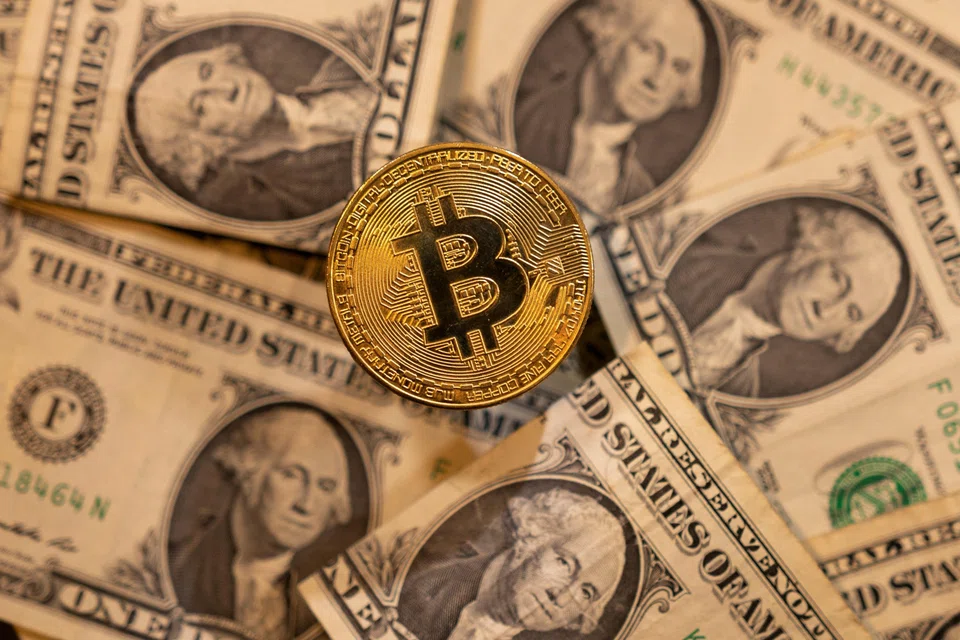
[MUMBAI] Bitcoin’s expected volatility has fallen to the lowest level in nine months, as subdued trading and a shift in speculative interest away from the largest cryptocurrency dampen demand for options protection.
The Bitcoin Volmex Implied Volatility Index fell to 36.11 on Monday (May 25) in Singapore, its lowest since September 2025 and close to its lowest since 2023. The index reflects the market’s expected 30-day volatility in Bitcoin, derived from real-time crypto options prices.
The decline comes as Bitcoin struggles to break above US$80,000, trading around US$77,000 on Tuesday and still down nearly 40 per cent from its record high of more than US$126,000 set in October 2025.
US spot-Bitcoin exchange-traded funds (ETFs) have seen net outflows of about US$1 billion so far in May, reversing a two-month stretch of net inflows and adding to signs that investor demand has cooled.
“Bitcoin volatility is nearing all-time lows,” said Caroline Mauron, co-founder at Orbit Markets. “Retail interest is understandably going elsewhere to take advantage of other trading opportunities, as also seen from ETF outflows data.”
That stands in contrast with a broader rally across risk assets: US stocks climbed to record highs on hopes that a deal to end the US-Iran war is nearing, while South Korea’s Kospi and Taiwan’s equity market have also touched peaks, buoyed by demand for artificial intelligence and semiconductor exposure.
“ETF flows have been negative for Bitcoin but the overall picture for risk has been positive for markets, and I think those two factors have been cancelling out each other,” said Damien Loh, chief investment officer at Ericsenz Capital.
Bitcoin’s low implied volatility reflects a recurring pattern this cycle, where any pickup in price swings has quickly attracted volatility sellers, keeping options premiums suppressed.
Rajiv Sawhney, head of international portfolio management at Wave Digital Assets, said that volatility selling has been one of the defining trades of recent months, with investors repeatedly stepping in after spikes and making breakouts harder to sustain.



“Bitcoin does not have an inherent yield, so for long-term holders, miners, sovereign investors and larger funds, selling volatility has become a way to generate income from their holdings,” he said.
The broader macro backdrop is also weighing on Bitcoin activity.
Speculative money has gravitated towards AI and memory stocks, he added, leaving less “hot money” in crypto. Cooler trading volumes typically suppress realised volatility, in turn pushing implied volatility lower. BLOOMBERG
Decoding Asia newsletter: your guide to navigating Asia in a new global order. Sign up here to get Decoding Asia newsletter. Delivered to your inbox. Free.
Share with us your feedback on BT's products and services
TRENDING NOW

Once staunchly pro-China, Malaysian Chinese businesses are now distancing themselves from Beijing

Looking beyond looming CEO succession, should UOB potentially pursue a transformative merger?

Could stablecoins be the future of money?

Grab CEO’s wife Chloe Tong on life with Anthony Tan and finding her purpose

